How to Infuse Herbal Oils for Skin and Ritual Use
Why Infuse Oils?
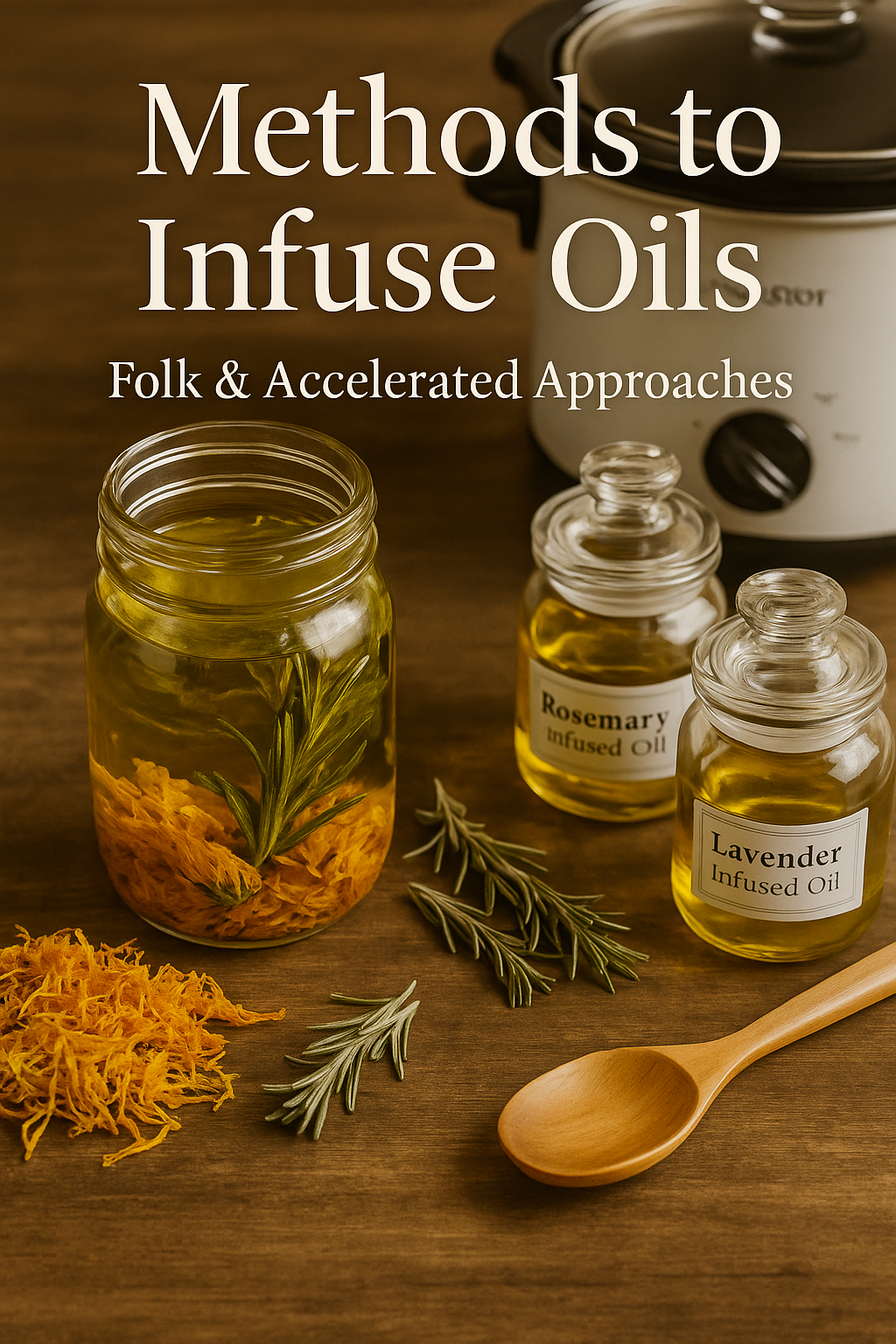
Infused oils are a way to transfer some of a plant’s aroma and oil-soluble compounds into a carrier oil. The finished oil can become a base for salves, body oils, candle dressing, or ritual blends, depending on the herb and how you plan to use it.
A rosemary-infused oil can protect and purify your space, while calendula oil may soothe the skin and encourage emotional healing. Think of these oils as your foundation — ready to be turned into salves, ritual blends, or added to bathwater for a bit of everyday magic.
Choosing Your Base (Carrier Oils)
The first decision you’ll make is which carrier oil to use. Here are a few popular options:
- Olive Oil: Readily available, excellent for skin and ritual use, but may feel heavier.
- Sunflower Oil: Light and quick-absorbing; a good neutral choice.
- Jojoba Oil: Closest to skin’s natural oils; long shelf life.
- Coconut Oil: Great for salves and body oils; solid at cooler temps.
Tip: Always choose cold-pressed oils when possible, and if you intend to use the oil for skin, go with cosmetic-grade.
3 Methods of Infusion
1. Solar Infusion (Traditional & Energetic)
This is the classic witch’s method for infusing oils — slow, steady, and aligned with the energy of the sun. It’s perfect when you want to layer intention and natural cycles into your work.
Step-by-Step: Solar Infusion
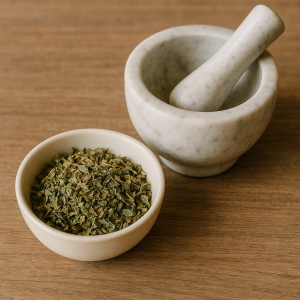
Step 1: Prepare Your Herbs
- Use completely dried herbs (fresh herbs can cause mold).
- Lightly crush to release oils and aromatics.
Step 2: Choose Your Oil
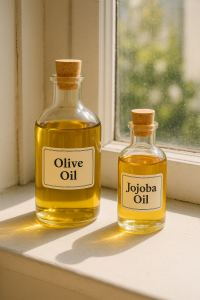
Select an oil that won’t go rancid quickly in sunlight — olive, jojoba, or fractionated coconut are excellent.
Step 3: Fill Your Jar
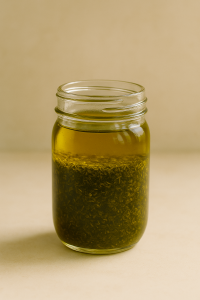
- Place herbs into a clean, dry glass jar until it’s ½–¾ full.
- Pour oil over the herbs until fully submerged, leaving 1 inch of headspace.
Step 4: Seal & Set in the Sun
- Cap tightly and place the jar on a sunny windowsill or porch.
- Infuse for 2–6 weeks, gently shaking the jar every few days.
Step 5: Strain & Store
- Strain through cheesecloth into a dark, airtight bottle.
- Label with herbs used, date, and magical intent.
Why Choose Solar?
- Energetic Alignment: Perfect for sun magic, solar correspondences, or Sabbat preparations.
- Ease: Set it and forget it. No monitoring heat.
- Best For: Flowering herbs like calendula, chamomile, St. John’s wort, and gentle aromatic plants.
2. Warm (Stovetop or Double Boiler) Infusion
The warm infusion method is perfect when you need an oil fast or are working with herbs that release their properties more easily with gentle heat. It requires a little attention but is simple once you know the process.
Step 1: Prepare Your Herbs
- Use dried herbs. Fresh herbs contain water that can cause spoilage.
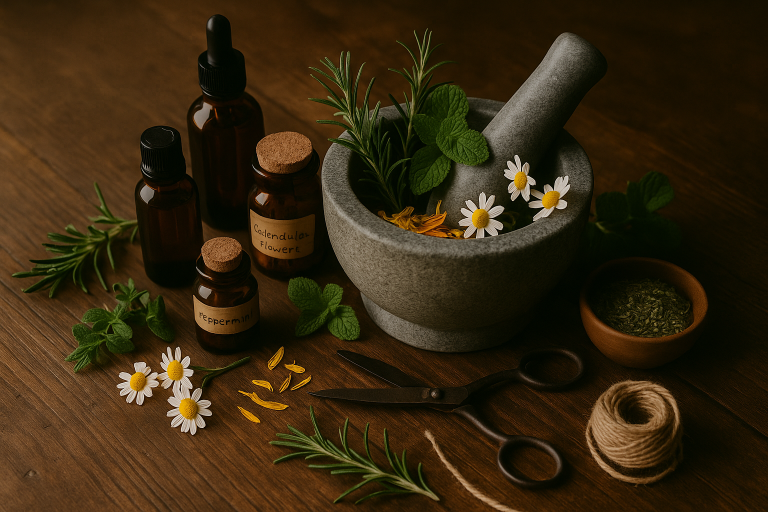
- Lightly crush or cut them to increase surface area. (Photo: herbs being chopped or lightly crushed in a mortar & pestle)
- Measure: Use roughly 1 part herbs to 3–5 parts oil by volume.
Step 2: Choose Your Oil
Pick an oil based on your intended use:
- Olive oil for anointing or kitchen use.
- Jojoba or almond oil for body oils and skincare.
- Coconut oil for solid salves or ritual blends.
Step 3: Combine in a Heat-Safe Container
- Place herbs and oil in a clean, dry glass jar, a heat proof bowl, or a double boiler.
- Stir gently to ensure all herbs are fully submerged.
Step 4: Set Up Your Heat Source
Two easy options:
- Double Boiler: Fill a saucepan with 2–3 inches of water and bring to a gentle simmer. Place your jar or heatproof bowl in the water bath.
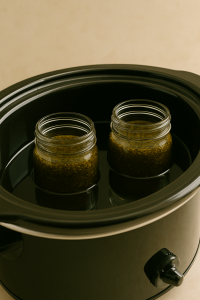
- Slow Cooker: Place jars in the cooker on low or “keep warm” setting with water halfway up their sides.
Step 5: Maintain a Gentle Heat
- Keep the temperature between 100–120°F. Too hot and you’ll cook the herbs (or destroy delicate compounds).
- Infuse for 2–4 hours, stirring gently every 30 minutes.
Step 6: Strain and Store
- Let the oil cool slightly.
- Strain through a fine mesh sieve or cheesecloth into a clean, dry jar.
- Label with herbs used, infusion method, date, and magical intention.
Pro Tip:
If you want extra potency, add a fresh batch of herbs and repeat the process for a double infusion — particularly powerful for magical anointing oils.
When to Use Warm Infusion
- When you need an oil ready the same day (for rituals, spellwork, or immediate skin care).
- When working with resinous or woody herbs (e.g., rosemary, pine, cinnamon) that release constituents better with heat.
- For making ritual oils where quick turnaround is important (e.g., preparing for an upcoming full moon ritual).
3. Cold (Long Steep) Infusion
The cold (or “dark”) infusion is the most gentle method, ideal for preserving delicate compounds like those in plants used for healing skin or deep spiritual work. It uses time and stillness instead of heat or sunlight.
Step-by-Step: Cold Infusion
Step 1: Prepare Your Herbs
- Use completely dried herbs. For resins (like myrrh or frankincense), grind them coarsely.
Step 2: Fill Your Jar
- Place herbs into a sterilized jar, filling it ½–¾ full.
- Cover with oil, leaving an inch of space at the top.
Step 3: Store in a Cool, Dark Place
- Cap tightly and store in a cupboard or pantry away from light and heat.
- Infuse for 4–8 weeks, shaking gently once a week.
Step 4: Strain & Store
- Strain into a clean amber or cobalt bottle.
- Label with the herbs used, date, and magical intent.
Why Choose Cold?
- Preserves delicate compounds like those in skin-healing plants (e.g., comfrey, marshmallow root).
- Discreet & Safe: No sunlight or heat to worry about — great for long-term storage.
- Best For: Oils meant for medicinal salves, massage blends, or anointing oils used in quieter, shadow-aligned magical work.
Troubleshooting (For All Methods)
- Mold Growth? Likely caused by water (fresh herbs or condensation). Always use dried plant material.
- Rancid Smell? The oil may have overheated (warm infusion) or gone bad (old oil). Use fresh, high-quality carrier oils.
- No Scent or Weak Infusion? Use more plant material or try a double infusion for extra strength.
Magical Correspondences for Infused Oils
| Rosemary | Protection, purification, mental clarity, memory |
| Calendula | Healing, happiness, solar energy |
| Lavender | Peace, relaxation, spiritual alignment |
| Mugwort | Psychic awareness, dreamwork, liminal rituals |
| Peppermint | Energy, clarity, prosperity |
Frequently Asked Questions
Can I use fresh herbs?
It’s best to use dried herbs — fresh herbs contain water that can cause spoilage.
How long does infused oil last?
Most infused oils last 6–12 months when stored in a cool, dark place.
Can I mix multiple herbs in one infusion?
Yes! Just make sure their magical and medicinal properties align with your purpose.
Make It Your Own
Once strained, your infused oil is ready to use as-is or turned into salves, massage oils, ritual blends, or added to spell jars. Label your jar with the herbs used, date prepared, and magical intent — this keeps your apothecary organized and intentional.
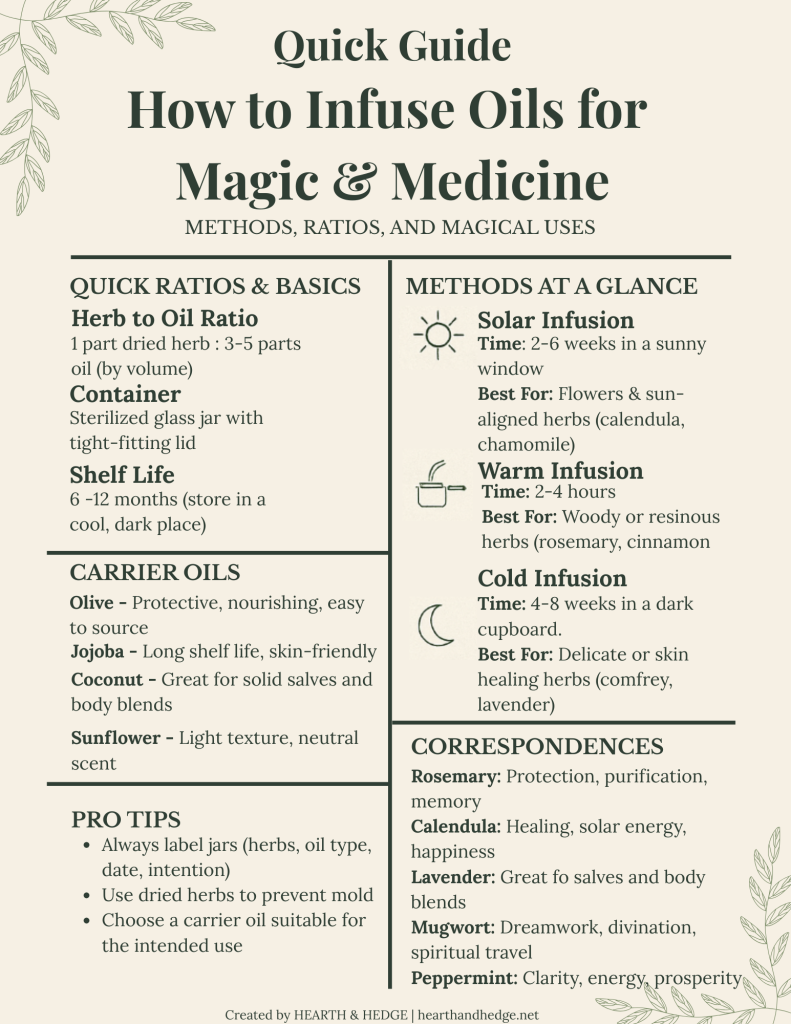
Download Your Free Oil Infusion Cheat Sheet
Want a quick reference for infusion ratios, carrier oils, and magical correspondences?