
Waning Moon Rituals for Release, Rest & Renewal
Once the full moon has passed, the visible portion of the moon grows smaller each night until the new moon. This is the waning half of the lunar cycle, a useful time for finishing things, clearing out what has accumulated, resting, and deciding what you do not want to carry into the next cycle.
Waning moon rituals do not have to be elaborate. Most of mine are ordinary things—journaling, cleaning, taking a bath, or putting work away for the evening—done with a little more attention than usual.
Table of Contents
What the Waning Moon Represents
The waning moon lasts for roughly two weeks and includes three recognizable phases. You can use the whole waning period for release and reflection, or choose the part that best fits what you need to do.
Waning Gibbous
The waning gibbous comes directly after the full moon. It is a good time to review what happened during the first half of the cycle, finish work already in progress, and notice what needs to change.
Last Quarter
At the last quarter moon, half of the moon appears illuminated. This phase works well for decisions, boundaries, and taking practical action on something you have decided to release.
Waning Crescent
The waning crescent is the final phase before the new moon. It tends to suit quieter practices such as rest, journaling, simple divination, and preparing for the next cycle.
If you are unsure where the moon is in its cycle, check the current moon phase before choosing your ritual.
Why Practice Waning Moon Rituals?
The waning moon creates a regular point in the month to deal with things that are easy to ignore. That might mean clearing a crowded room, reconsidering an obligation, resting after a busy stretch, or writing down a problem that has been circling in your mind.
A ritual will not make every difficult situation disappear. It can, however, give you a specific time to identify what is creating stress and decide whether it needs action, acceptance, or a place on the list for later.
7 Waning Moon Ritual Ideas
Choose the practice that fits your actual circumstances. One useful ritual is better than forcing yourself through all seven.
1. Journaling
Journaling during the waning moon can help you sort through what has been occupying your thoughts. This does not have to be a long or structured practice. Start with one question and write until you feel finished.
You might ask:
- What has been taking up too much of my attention?
- What am I holding onto out of habit?
- What no longer feels useful or necessary?
- What would make the coming weeks feel lighter?
You do not need to solve everything you write about. Sometimes naming what has been bothering you is enough to see it more clearly.
2. Take a Cleansing Bath
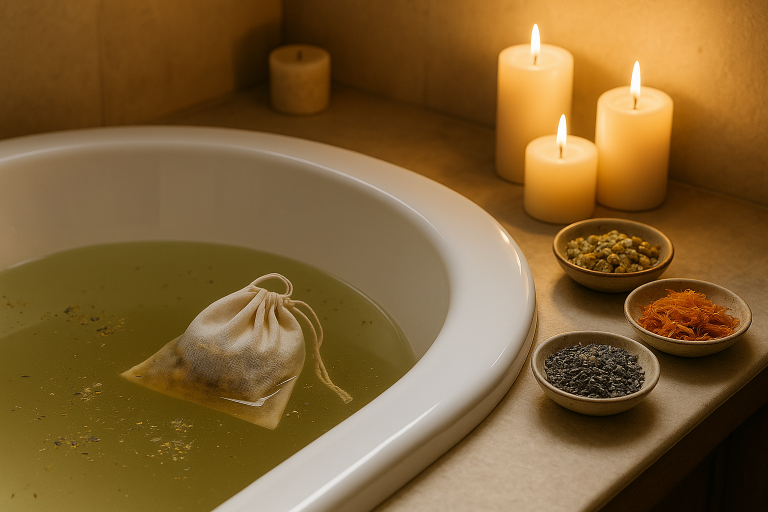
A cleansing bath gives you time to relax while creating a clear dividing line between the day you have had and the evening ahead. Add herbs, bath salts, or one of these herbal bath tea recipes, then settle in and let yourself stop for a while.
As the water drains, picture some of the tension and stress you have been carrying going with it. This is a symbolic cleansing ritual rather than a way to physically detox the body, but the warm water and quiet time can still help you relax and feel ready to move forward.
Choose ingredients you have used safely before and avoid anything that irritates your skin.
3. Perform a Cord-Cutting Ritual
A cord-cutting ritual can represent ending an attachment, habit, obligation, or pattern that you no longer want to carry.
You will need:
- Two candles
- Two stable, fire-safe candleholders
- A short piece of natural cotton string
- Matches or a lighter
- A fire-safe surface
- A bowl of water or fire extinguisher nearby
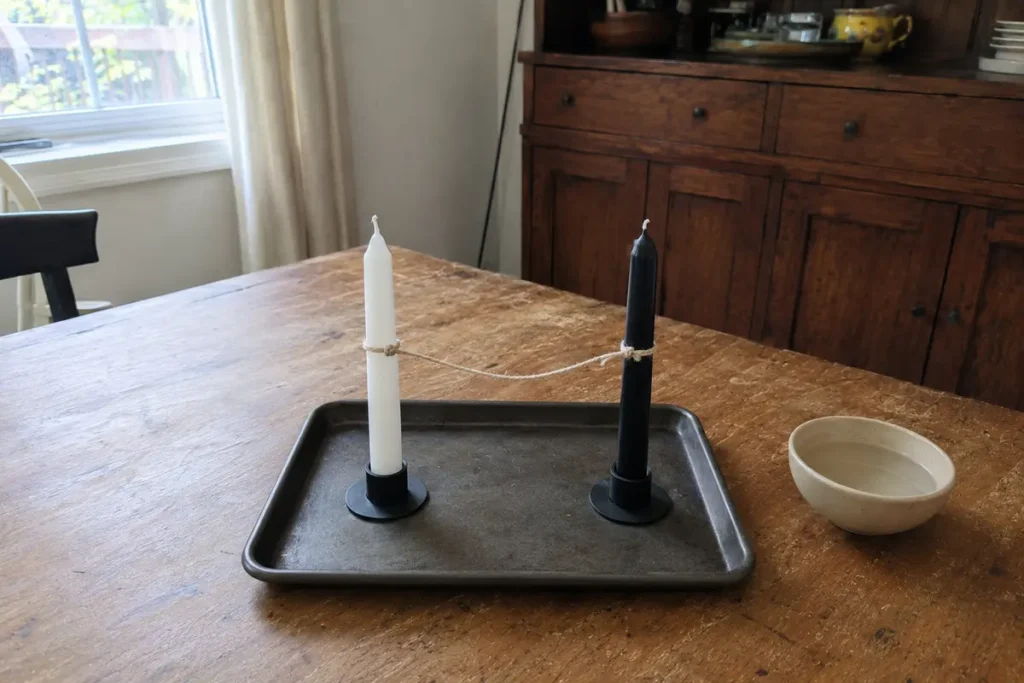
Place the candles several inches apart in their holders. Designate one candle to represent you and the other to represent what you are releasing. Tie the string around the candles without pulling it tight, keeping it well above the candleholders and away from anything else that could catch fire.
Light both candles and remain with them while the flames reach the string and separate the connection. Focus on what the cord represents and your decision to stop carrying it forward.
The way the string burns does not have to be interpreted as a prediction. The meaningful part is identifying the attachment and marking your intention to release it.
Keep the ritual away from drafts, children, pets, and flammable materials. Never leave it unattended, and extinguish the candles when the ritual is complete.
4. Clean and Clear Your Space
Cleaning is one of my most practical waning moon rituals. When my house or room becomes cluttered, it makes me feel stressed and almost suffocated. Clearing some of that clutter gives me room to breathe, which also helps me let go of some of the stress attached to it.
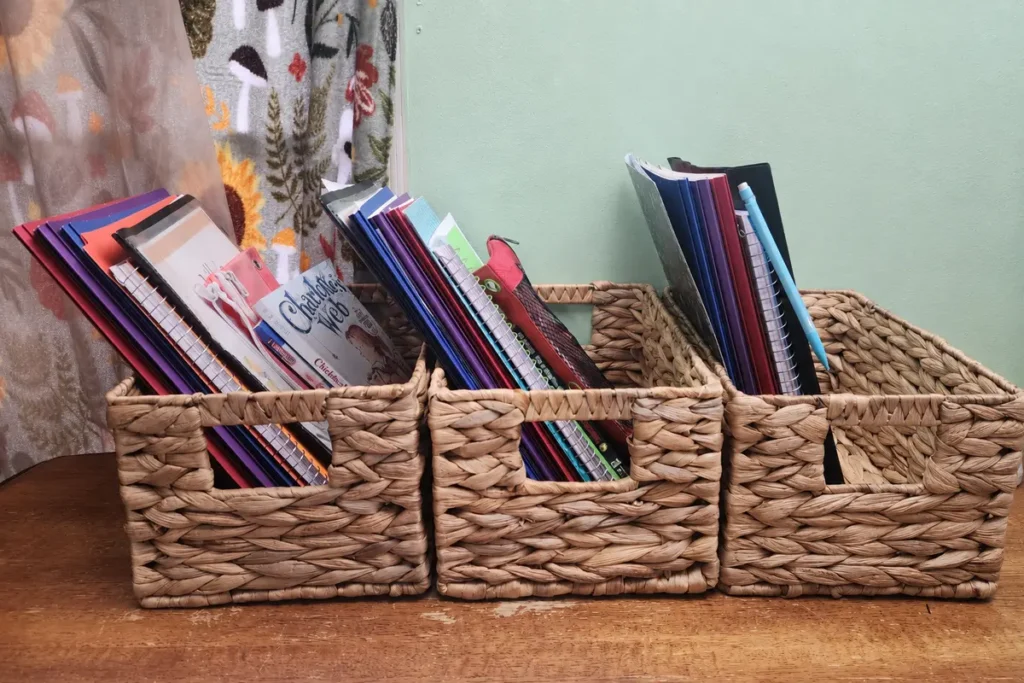
You do not have to clean the entire house. Choose one area that has been bothering you: a crowded counter, the clothes beside your bed, an overfilled drawer, or the stack of papers you keep moving from place to place.
Throw away obvious trash, return misplaced things, and set aside anything you are ready to donate. Even one cleared surface can make the room feel more manageable.
5. Take an Evening Off
Letting go does not always require another ritual or task. Sometimes it means admitting that you are finished for the day.
Choose an evening when you will not begin another project, catch up on chores, or turn rest into something else you need to accomplish. Make something easy for dinner, put away your work, and do something that does not require an outcome.
This can be particularly helpful when stress or anxiety has left you feeling as though you should always be doing something. The unfinished work will still be there tomorrow. For one evening, you can stop carrying it.
6. Pull an Oracle or Tarot Card
Oracle cards work especially well for a simple one-card reflection because their messages are usually direct and easy to consider on their own. Tarot cards or another familiar deck can be used in the same way.

Ask a focused question such as:
- What am I ready to release?
- What has completed its purpose?
- What deserves less of my attention?
- What can I stop carrying into the next cycle?
Pull one card and write down your first response to it. You do not need to force a profound interpretation. Pay attention to the part of the card that immediately feels relevant.
7. Make a Letting-Go List
Write down the worries, obligations, unfinished tasks, resentments, or repetitive thoughts that have been taking up space in your mind.
Look at each item and decide whether you can:
- Release it completely
- Deal with it directly
- Postpone it intentionally
- Accept that it is outside your control
This is not about pretending that every source of stress can simply be discarded. The purpose is to separate what requires action from what you have been carrying without any useful next step.
When you finish, keep any items that require attention. Tear up or discard the rest if you want a physical way to mark the decision.
Common Things to Release During the Waning Moon
You can use these rituals for something specific or simply take stock of what has been making life feel unnecessarily crowded. Common examples include:
- Stress connected to clutter or unfinished tasks
- Obligations you agreed to without really having time for them
- Habits that no longer fit your routine
- Resentment over something you cannot change
- Negative self-talk
- Pressure to remain productive all the time
- Possessions you no longer use
- Plans that are no longer realistic or important to you
Some things can be released immediately. Others may require a conversation, a boundary, or several practical steps. The ritual is a starting point, not a substitute for those steps.
Tips for Waning Moon Rituals
- Choose one or two rituals rather than turning the waning moon into another long checklist.
- Use what you already have. Special tools are optional unless the ritual specifically requires them.
- Keep fire rituals small, supervised, and on a fire-safe surface.
- Write down anything that needs follow-up so “letting go” does not become avoiding a real responsibility.
- Adjust the ritual to the time and energy you actually have.
Frequently Asked Questions
Do waning moon rituals have to be done at night?
No. You can do them whenever you have time during the waning phase. Nighttime may feel more atmospheric, but the timing of your schedule matters more than the hour on the clock.
Can I perform a waning moon ritual indoors?
Yes. Journaling, cleaning, bathing, resting, and card pulls can all be done indoors. If you use candles or burn anything, use proper ventilation and ordinary fire precautions.
What is the difference between the waning moon and the waning crescent?
The waning moon is the entire half of the lunar cycle between the full moon and new moon. The waning crescent is only its final phase, when a thin crescent of light remains visible.
What if I miss the waning moon?
You do not need to wait a month to clean your house, set a boundary, or take an evening off. Handle anything urgent when it needs attention. The lunar cycle simply offers a recurring structure if that is useful to you.
Preparing for the Next Lunar Cycle
The waning moon ends with the dark moon and the beginning of a new cycle. After you have cleared what you can, allow some space before deciding what comes next.
When you are ready to shift from release toward new plans, continue with these new moon rituals. You can also review the cycle with the Moon Ritual Journal, or compare this quieter phase with my full moon rituals.