
How to Create a Simple Daily Ritual That Fits Real Life
A daily ritual is a small action you repeat with intention. It can be spiritual, practical, or both, and it does not need special tools or an hour of uninterrupted silence—because most people do not have that lying around.
Start with one moment that already happens every day, such as making coffee, opening the curtains, or getting ready for bed. This guide shows how to turn that moment into a short ritual you can realistically repeat.
What Makes a Ritual “Simple”?
Let’s start by clearing up a common misconception: a ritual isn’t just a routine.
A routine is brushing your teeth or making coffee on autopilot. A ritual turns those same acts into moments of presence. It’s about adding intention to what you’re already doing — and maybe adding one or two small actions that feel symbolic or sacred.
The key to keeping it simple:
- It doesn’t need elaborate tools or hours of your time.
- It can be as short as five minutes.
- It’s more about how it makes you feel than what it looks like.
When you keep it small and approachable, you’re more likely to do it consistently — which is where the magic really happens. Simple rituals succeed because they’re repeatable. The smaller and more intuitive your ritual is, the easier it becomes to return to — whether it’s part of your morning ritual, your wind-down routine, or a grounding moment in between tasks.
Decide What You Want From Your Ritual
Before you begin, ask yourself:
What do I want this ritual to do for me?
Do you need a calmer start to stressful mornings?
Are you craving a way to release the day in the evening?
Do you want to feel more spiritually aligned?
Or to simply find a moment of peace in the middle of a busy schedule?
Daily rituals work best when they have a purpose — not a rigid expectation, but a guiding intention that gives shape to the moment.
Try writing one simple sentence:
“I want a daily ritual that helps me feel grounded before the day begins.”
or
“My ritual will help me transition from work mode into rest mode.”
This intention becomes the foundation of your practice.
Pick a Time and Place
Rituals work best when they’re anchored to a consistent moment in your day. Some ideas:
- Morning: Before coffee or breakfast — set the tone for your day.
- Midday: During a lunch break or a quiet pause to re-center.
- Evening: As part of your wind-down routine before bed.
Your space doesn’t have to be fancy. It could be a spot at your kitchen table, a corner of your bedroom, or even your favorite chair. If you like, gather a few items that make the space feel special — a candle, a journal, or a small plant. I have a special incense that brings me good feeling that I like to use. Your space doesn’t need to be aesthetic or elaborate. It just needs to feel like yours for a moment.
If your goal is to create a morning ritual, choose a space that feels easy to access the moment you wake up — not one that requires rearranging or setup.
Build Your Ritual in 5 Steps
Here’s a simple formula you can follow no matter what kind of ritual you’re creating:
1. Set Your Intention

Take a deep breath and name what you want this moment to bring you.
Examples:
- “I welcome clarity into my morning.”
- “I am releasing the stress I carried today.”
- “I choose presence.”
Intention-setting trains your mind to shift from autopilot into awareness. This is often the most important part of a daily ritual — it tells your brain that this moment matters.
2. Choose One Grounding Action
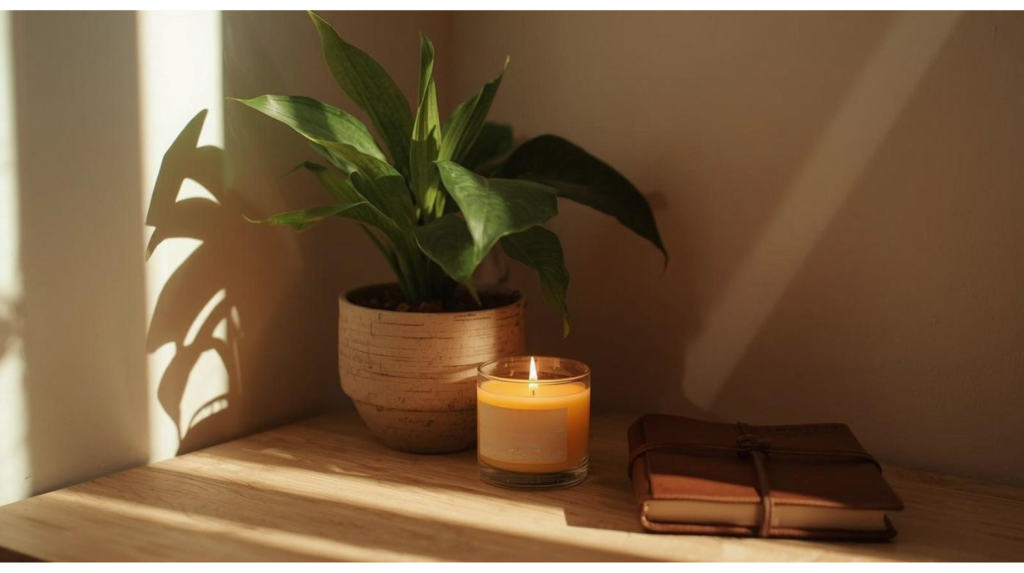
A grounding action is sensory. It helps your mind transition into stillness.
Options include:
- Lighting a candle
- Washing your hands or face slowly
- Stretching your body
- Taking several conscious breaths
- Making a warm drink
- Opening a window for fresh air
3. Add a Symbolic Act
This is the part of your ritual that holds meaning beyond the moment.
Ideas to choose from:
- Journaling a few lines
- Pulling a tarot or oracle card
- Saying a short affirmation
- Meditating
- Practicing three deep breaths
- Drinking your tea without any distractions
Don’t underestimate the power of tiny symbolic actions — they give emotional shape to your ritual. And when repeated daily, they become touchstones of stability.
4. Keep It Short
Aim for 5–15 minutes max.
Long rituals are beautiful, but short rituals are sustainable.
If your ritual is going to become part of your everyday life — especially as a morning ritual — it has to be easy enough that you can do it even on tired days, busy days, or chaotic days.
5. Close the Ritual
End with a small act that signals completion:
- Snuff the candle
- Say “thank you”
- Place your journal back in its spot
- Stretch once more
- Take a closing breath
Closing gestures tell your mind the moment is sealed — a tiny boundary between “ritual time” and “the rest of your day.”
Examples of Simple Daily Rituals
Morning Ritual:
- Light a candle.
- Take 3 deep breaths.
- Write down 3 intentions or gratitudes in a journal.
Evening Ritual:
- Wash your face or hands mindfully.
- Write one thing you’re releasing from the day.
- Close with an affirmation: “I am safe. I am whole. I am ready for rest.”
Midday Reset Ritual:
- Step outside and stretch.
- Take a brief walk or sip tea.
- Speak a short mantra: “I am grounded and steady.”
These small rituals help break the cycle of hurry. Even one minute spent intentionally can reset your entire nervous system.
Optional: Adding a Magical Layer
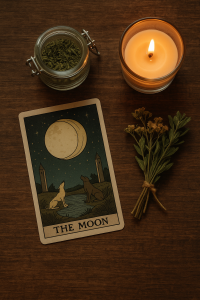
If you want to bring witchcraft or spirituality into your ritual, here are some simple ways to do it:
Align with the Moon: Do a new intention-setting ritual at the new moon or a release ritual at the full moon.
Use Herbs or Teas:
Lavender → rest
Peppermint → clarity
Chamomile → grounding
Herbal Teas for Colds and Stress
Incorporate Divination:
Pull a single tarot card each day for guidance or reflection.
Use Natural Elements:
Stones, crystals, plants, incense, or a small bowl of water.
You don’t need tools for magic — intention is enough. But if you enjoy sensory symbolism, adding one or two elements can make your ritual feel deeply personal.
Making It Stick
The most important part of any ritual is consistency — not perfection.
Tips for maintaining your daily ritual:
Start small. It’s better to do a 5-minute ritual daily than a 1-hour ritual once a month.
Make it convenient. Keep your tools in one easy-to-reach place. Your ritual shouldn’t be a chore that requires you to go out of your way searching for things.
Let it evolve. Your ritual can grow and change as your needs do.
Be flexible. If you miss a day, just start again. Rituals should feel like support, not a burden. Return to it without guilt after missed days
Rituals aren’t meant to be rigid. They’re living practices that grow with you. Think of your daily ritual as a gentle companion — always available, never demanding.
Choose Tomorrow’s Starting Point
Pick one existing part of tomorrow—your first drink, the school-day reset, your shower, or bedtime—and attach one intentional action to it. That is enough for a first ritual.
Try it for a week before adding more. If it becomes annoying or impossible to remember, shrink it instead of deciding you failed.
Want some help?
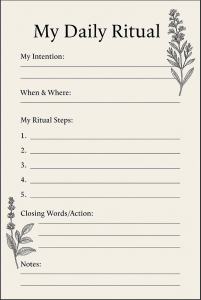
I created a free one-page Daily Ritual Template to help you plan and track your practice. Print it, fill it in, and let your ritual take shape naturally.