
Herb Spotlight: Chamomile Benefits
Chamomile has been called the “star among medicinal species,” and for good reason. This gentle, daisy-like flower has been used for centuries to soothe the body, calm the mind, and invite good fortune. Today, most people are familiar with chamomile tea, but its uses extend far beyond a bedtime drink. From skin remedies to calming rituals, chamomile is one of the most versatile herbs you can add to your apothecary.
In this guide, we’ll explore chamomile benefits, how to identify and use the herb, three simple remedies you can try at home, and even its symbolism in folk magic.
What Is Chamomile?
Chamomile refers to a group of flowering herbs in the Asteraceae (daisy) family. The two most commonly used species are:
- German chamomile (Matricaria recutita) – the most widely used in teas and herbal remedies.
- Roman chamomile (Chamaemelum nobile) – often used in essential oils and ground covers.
Both types share similar medicinal properties, but German chamomile is the one most people think of when discussing health benefits of chamomile tea.
How to Identify Chamomile
If you’re foraging or growing chamomile, it’s important to know what you’re looking at.
Appearance: Small white daisy-like flowers with yellow centers, typically about 1 inch across.
Scent: Sweet, apple-like aroma (the name “chamomile” comes from the Greek khamai-melon, meaning “ground apple”).
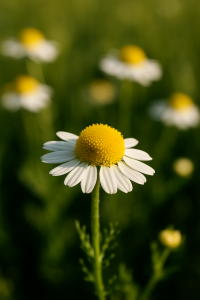
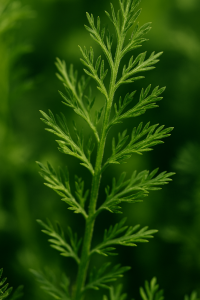
Leaves: Fine, feathery, and light green.
Growth: German chamomile is an annual that grows up to 2 feet tall, while Roman chamomile is a low-growing perennial ground cover.
Lookalikes to Avoid
Chamomile can be confused with similar daisies, including pineapple weed (Matricaria discoidea) and scentless mayweed (Tripleurospermum inodorum).
Pineapple weed: Looks similar but has a cone-shaped green center without petals. It smells like pineapple when crushed.
Scentless mayweed: Very similar flowers, but lacks chamomile’s sweet aroma.
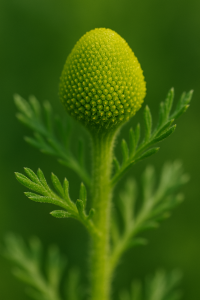
When in doubt, rely on both the scent and the feathery leaves to confirm you’ve found true chamomile.
Chamomile Benefits for Health and Wellness
Chamomile has been used traditionally for digestive support, skin health, stress relief, and more. Modern research supports many of these uses, especially for sleep, anxiety, and inflammation.
Digestive Support
Chamomile tea has long been taken after meals to calm indigestion, gas, and stomach upset. Its antispasmodic properties make it especially soothing for cramping.
Sleep and Relaxation
One of the most well-known chamomile tea benefits is its ability to encourage restful sleep. Chamomile contains apigenin, a compound that binds to certain receptors in the brain to promote relaxation.
Skin Healing
Topical chamomile preparations have been used to calm rashes, burns, and skin irritation. It’s often found in natural salves, creams, and baby care products.
Immune Support
Chamomile’s antioxidant content may support immune health. Sipping tea during seasonal changes can be a gentle preventive ritual.
Outbound link opportunity: You can reference NCCIH’s overview of chamomile for readers who want evidence-based details.
Herbal Remedies with Chamomile
Here are three easy ways to bring chamomile into your wellness routine.
1. Classic Chamomile Tea
- 1–2 tsp dried chamomile flowers (or 1 tea bag)
- 1 cup hot water
- Optional: honey, lemon balm, or lavender for extra flavor
Steep 5–10 minutes, covered. Drink before bed to promote relaxation and better sleep.
2. Chamomile Steam for Congestion and Skin
- 2–3 Tbsp dried chamomile
- Large bowl of hot water
- Towel
Add chamomile to hot water, lean over the bowl, and cover your head with a towel. Breathe deeply for 5–10 minutes to ease congestion or refresh tired skin.
3. Chamomile Infused Oil for Salves
- Fill a small jar with dried chamomile
- Cover with olive oil or jojoba oil
- Let infuse 2–4 weeks (or gently warm in a double boiler for faster results)
Strain and use as a base for healing salves, or apply directly to dry, irritated skin.
Check out How to Infuse Oils for more information regarding herb infused oils or Natural Medicine Essentials to learn more about herbal medicine.
Chamomile Tea Benefits: More Than Relaxation
While chamomile tea is most famous for sleep, it has a variety of uses:
- Helps ease menstrual cramps
- Soothes sore throats
- May reduce mild anxiety
- Supports digestion after heavy meals
Symbolism and Magical Correspondences of Chamomile
Chamomile isn’t just a healing herb — it’s also rich in symbolic and magical associations.
- Element: Water (calming, soothing)
- Planetary association: Sun (warmth, abundance)
- Magical uses: Protection, luck, prosperity, purification, and peace.
Chamomile has been added to prosperity spells, sprinkled in doorways to ward off negativity, and used in baths for relaxation and cleansing.
Check here for more correspondences and a printable chart.
Using Chamomile Safely
Chamomile is generally considered safe, but:
- Avoid if allergic to ragweed, daisies, or marigolds.
- Check with your healthcare provider if pregnant, breastfeeding, or on blood-thinning medication.
The Gentle Power of Chamomile
Chamomile may be small, but its benefits are wide-reaching. From calming teas to soothing skin remedies, it’s one of the most beginner-friendly herbs you can grow or buy. Whether you’re drawn to its health benefits of chamomile tea or its symbolic role in bringing peace and prosperity, this gentle flower deserves a place in every herbalist’s cabinet.