What Is Yule? A Cozy Guide to Winter Solstice Traditions, Magic & Meaning
Yule is one of the oldest winter festivals in the world — a celebration rooted in firelight, folklore, and the quiet promise of returning sunlight. For many modern witches, homesteaders, and seasonal-living households, Yule is a time to reflect, rest, celebrate nature, and welcome the turning of the Wheel.
This guide walks you through Yule’s history, symbolism, traditional customs, modern rituals, and simple ways to celebrate the Winter Solstice.
✶ ✦ ✶ ✶ ✦ ✶ ✶ ✦ ✶
What Is Yule? (The Short Answer)
Yule is a midwinter festival that takes place during the Winter Solstice, the longest night of the year. Ancient Germanic, Norse, and Northern European peoples celebrated Yule as a multi-day festival honoring survival, community, ancestral protection, and the rebirth of the sun.
For modern practitioners, Yule blends:
- Seasonal nature worship
- Fire and candle traditions
- Home-based rituals
- Deep winter rest
- Handcrafted décor and slow living
It is gentle, grounding, and accessible — perfect for beginners and seasoned witches alike.
When Is Yule?
Yule aligns with the Winter Solstice, which shifts slightly each year depending on the sun’s position.
Examples:
- 2025: December 21
- 2026: December 21
- 2027: December 21
The exact date can vary slightly depending on the year, so checking a current calendar or solstice chart is helpful.
✶ ✦ ✶ ✶ ✦ ✶ ✶ ✦ ✶
Norse & Germanic Origins
Yule comes from the Old Norse word Jól, a winter festival celebrated across Scandinavia and Germanic Europe. It often lasted 12 days — a detail that later influenced the “12 Days of Christmas.”
Traditional practices included:
- Lighting the Yule log
- Feasting with family and neighbors
- Honoring deities and nature spirits
- Telling stories and singing
- Keeping protective fires lit through the longest night
Yule was not a single-night celebration — it was a season of warmth in the cold.
The Return of the Sun
The Winter Solstice marks the sun’s lowest point in the sky. After this night, daylight slowly increases. Ancient people saw this as:
- The rebirth of the sun
- Renewal of hope and life
- A turning point in winter’s hardships
This symbolism still shapes modern Yule celebrations.
Christmas and Yule
Many Yule customs blended into Christmas observances over centuries, especially in Northern Europe. When Christianity spread through the region, local traditions didn’t vanish — they merged.
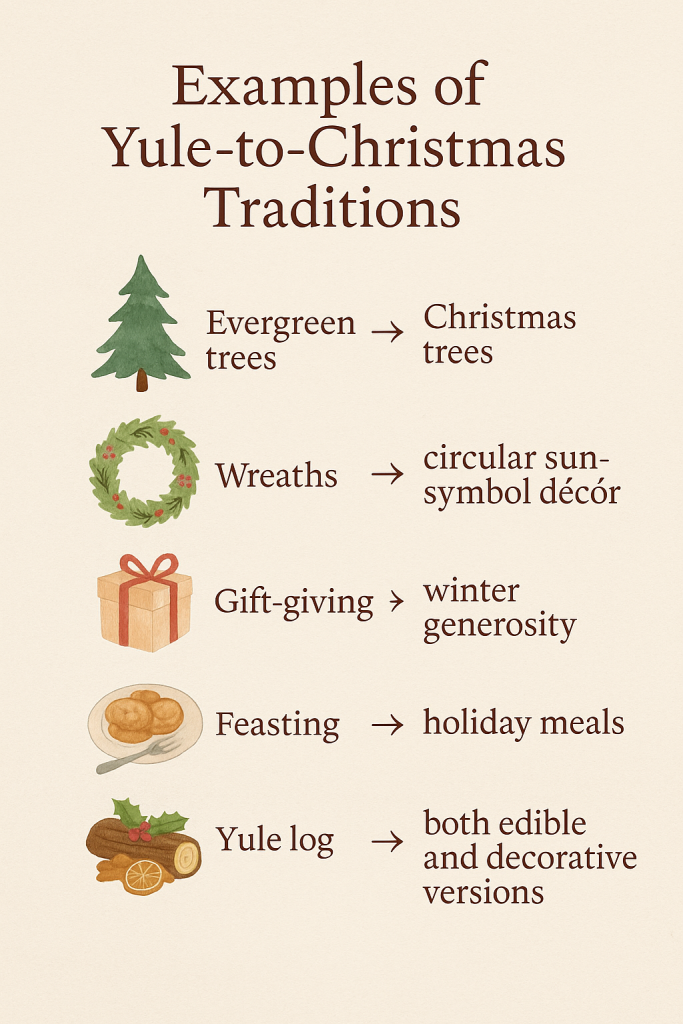
Examples of Yule-to-Christmas traditions:
- Evergreen trees → Christmas trees
- Wreaths → circular sun-symbol décor
- Gift-giving → winter generosity
- Feasting → holiday meals
- Yule log → both edible and decorative versions
Today, some people celebrate both holidays, drawing meaning from each tradition. You don’t have to choose between Yule and Christmas. Many modern witches celebrate both, either separately or as a blended winter holiday. The overlap between the two is natural — many Christmas traditions grew out of older solstice practices, and both share themes of light, generosity, warmth, and community.
For some people, Yule fills the spiritual or nature-based side of the season, while Christmas offers family traditions, cultural nostalgia, or childhood memories. Both can coexist comfortably. You might honor the Winter Solstice with candle rituals, a simmer pot, or a quiet moment of reflection, and then celebrate Christmas with loved ones in a more festive or social setting. Others weave the two together more seamlessly: a Yule-inspired wreath on the door, natural decorations on a Christmas tree, or seasonal foods that honor both traditions.
There’s no right or wrong way to approach the holidays. Many witches take a blended path because it feels authentic to their upbringing, their spiritual path, and the modern world they live in. What matters most is that your winter celebrations feel grounding, joyful, and meaningful — whether you celebrate Yule, Christmas, or a little of both.
✶ ✦ ✶ ✶ ✦ ✶ ✶ ✦ ✶
Yule Symbols and Their Meanings
Evergreens
Evergreens have always held a kind of quiet magic in winter. When the rest of the landscape goes bare and colorless, pine and cedar stay vibrant, offering a reminder that life continues even in the most challenging season. Ancient people saw evergreens as guardians — spirits of the wild that refused to wither under snow or frost. Bringing evergreen branches into the home wasn’t just decorative; it was symbolic protection. Pine especially was believed to clear stagnant or heavy energy, making the home feel fresh and safe during the darkest part of the year. Today, hanging garlands or placing a simple sprig of fir on an altar continues this tradition of resilience and purification.
Candles & Fire
Fire is central to Yule. One flame represents:
- The returning sun
- Warmth
- Spiritual illumination
- Protection
Candles are an easy, safe way to honor this in modern homes.
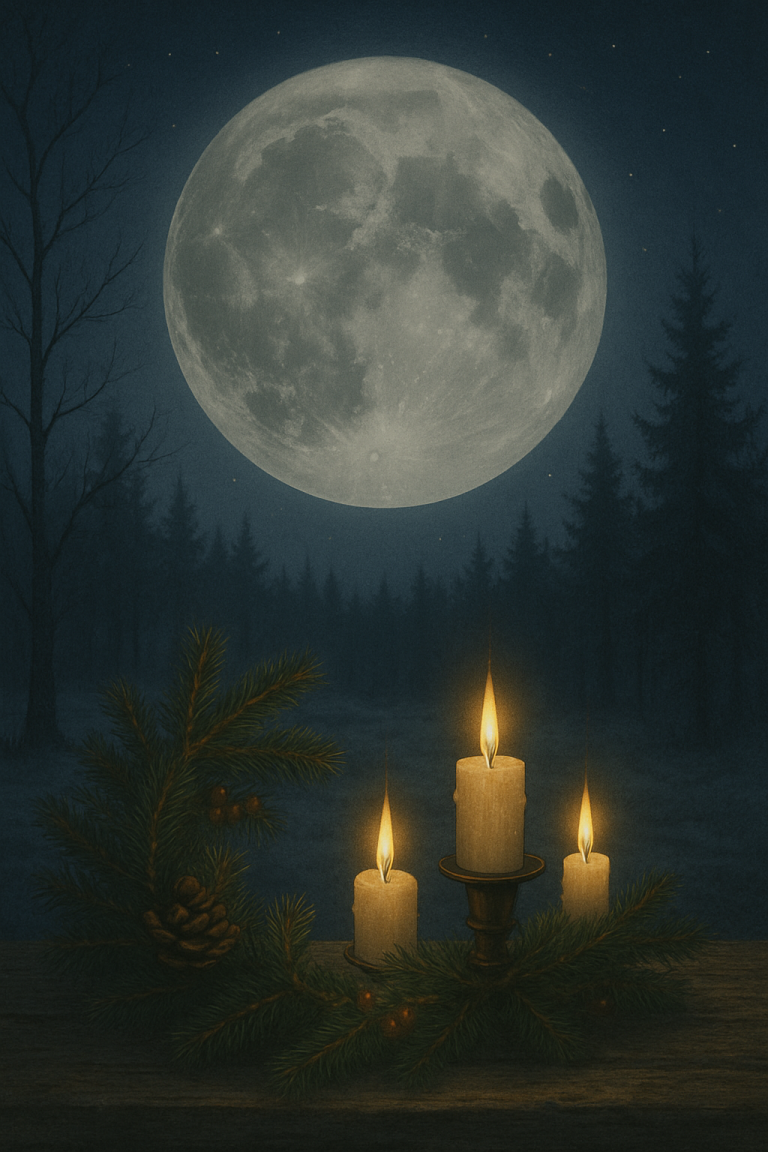
Fire has always been central to Yule rituals, not just for warmth but for spiritual meaning. During the solstice, when the night is longest, the flame represents the first spark of returning sunlight. Lighting a candle becomes a way of calling the light back — a message to the universe that we are ready for renewal. In older traditions, a large Yule log burned throughout the night as a symbol of protection and good fortune. In modern homes, a single beeswax pillar or a cluster of jar candles can carry the same intention. The glow shifts the feeling of a room: softening the edges, warming the shadows, and inviting a sense of peace.
The Yule Log
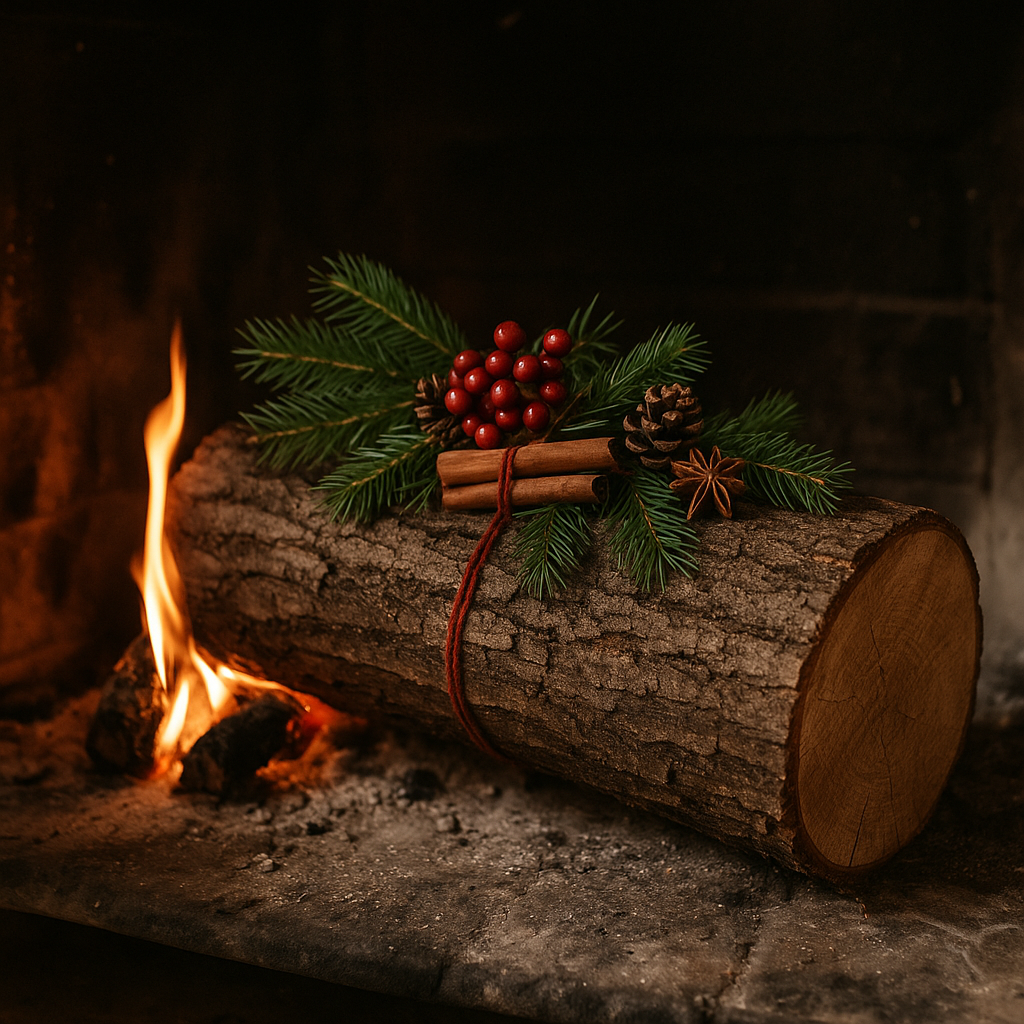
The traditional Yule log was more than a piece of firewood — it was a centerpiece of midwinter ritual. Families would choose a large, hearty log (often oak, ash, or birch), sometimes days or weeks in advance. It was decorated with evergreen sprigs, carved with protective runes or symbols, and occasionally anointed with cider or animal fat to help it burn slowly through the longest night of the year. The burning of the log symbolized endurance, protection, and the triumphant return of the sun. A small piece of the previous year’s log was often saved to help light the new one, carrying blessings and continuity from season to season.
Modern witches continue this tradition in ways that fit their homes and lifestyles. If you have a fireplace or wood stove, you can recreate the classic version by choosing a medium-sized log, carving or drawing simple symbols of renewal (a sun, spiral, or your initials), and tucking small sprigs of pine or cedar into the cracks of the wood. Red or green cotton twine may be wrapped around the log as a symbolic adornment — just be sure it’s natural fiber, not synthetic. Before placing it in the fire, many practitioners speak an intention or blessing for the year to come. The log can burn all at once or slowly over several nights if your setup allows.
For those without a fireplace, an outdoor burn is a beautiful alternative. A metal fire pit or chiminey works well, especially when paired with a brief solstice ritual under the night sky. Outdoor Yule logs can be decorated more loosely since there is more ventilation, but the same safety guidelines apply.
It’s important to remember that not all decorative items are safe to burn. Natural materials like:
- pine, cedar, or rosemary sprigs
- cotton or jute twine
- dried orange slices
- carved or drawn symbols
- small cinnamon sticks (sparingly)
are generally safe in a well-ventilated fire.
However, avoid:
- ribbons with synthetic fibers (they melt or release fumes)
- glitter or metallic decorations
- artificial greenery
- heavily painted wood
- hot glue or craft adhesives
- plastics of any kind
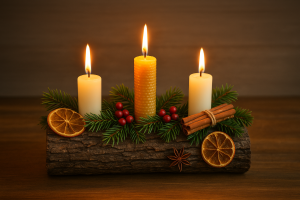
If you prefer a smoke-free option, many modern witches use a candle-style Yule log — a small wooden base drilled to hold three candles, decorated with greenery around the log rather than on it. This can sit on an altar or table and carries the same symbolism without requiring a full fire.
No matter which version you choose, the heart of the tradition remains the same: honoring the return of light, welcoming protection and warmth, and carrying forward the energy of renewal as a new year approaches.
If you want to bring a little practical magic into your Yule celebrations, try making your own handmade fire starters for ritual fires, hearth tending, or cozy candlelit evenings.
Seasonal Scents
The scents of Yule are deeply tied to memory and emotion. Cinnamon brings warmth and comfort; clove and star anise add a subtle spice that feels grounding; pine and rosemary offer clarity and cleansing. These scents weren’t chosen randomly — ancient households used fragrant herbs and spices during midwinter to purify the air, ward off illness, and lift the mood when sunlight was scarce. Today, these aromas appear in simmer pots, wreaths, potpourri, teas, and ritual blends. The fragrance fills the home with a sense of hearth, nostalgia, and midwinter magic, helping us settle into the season rather than push through it.
Animals of the Season
Winter animals appear in Yule lore because they embody qualities needed to survive the colder months. Deer symbolize gentleness, guidance, and intuition — moving quietly through snow, attuned to every shift in the forest. Owls represent wisdom and protection, navigating darkness with confidence. Wolves appear in many winter myths as guardians or teachers of endurance and loyalty. Even bears, who sleep deeply through winter, symbolize rest and renewal, reminding us that stillness is part of nature’s rhythm. These animals often show up in altar décor, artwork, or stories shared during the season, connecting us to the wild world outside our windows.
✶ ✦ ✶ ✶ ✦ ✶ ✶ ✦ ✶
Traditional Yule Customs
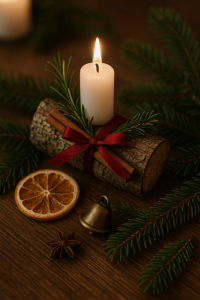
Burning the Yule Log
A hearth fire was kept burning through the night to ward off negativity and honor the sun’s rebirth.
Feasting & Gatherings
Food was shared in large community feasts, symbolizing abundance even in the harshest season.
Exchanging Gifts
In historical Yule celebrations, gifts were small but meaningful — often handmade items crafted from materials available during winter months. A carved wooden charm, a handful of dried herbs, or a piece of warm clothing held great value in a time when resources were scarce. The act of giving wasn’t about extravagance but about strengthening bonds within the community. Today, honoring this tradition can be as simple as baking cookies for a friend, gifting a homemade simmer pot kit, or writing a heartfelt note. The meaning stays the same: generosity, warmth, and connection during the coldest part of the year.
Decorating with Evergreens
Bringing greenery into the home was once believed to invite protective forest spirits indoors, offering blessings and good fortune for the year ahead. Evergreen wreaths symbolized the cyclical nature of life, with the circle representing eternity and the plants representing endurance. Branches laid across mantles or tucked above doors served as warding symbols, keeping negativity or misfortune away. Today, these decorations also bring a sense of seasonal coziness. Whether you forage pine from your backyard or pick up a small bundle at the store, adding greens to your home infuses the space with life, color, and natural energy.
✶ ✦ ✶ ✶ ✦ ✶ ✶ ✦ ✶
How Modern Witches Celebrate Yule
Build a Yule Altar
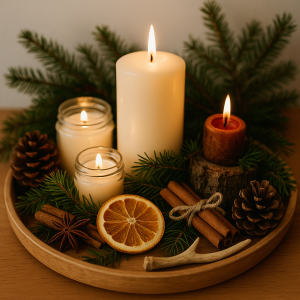
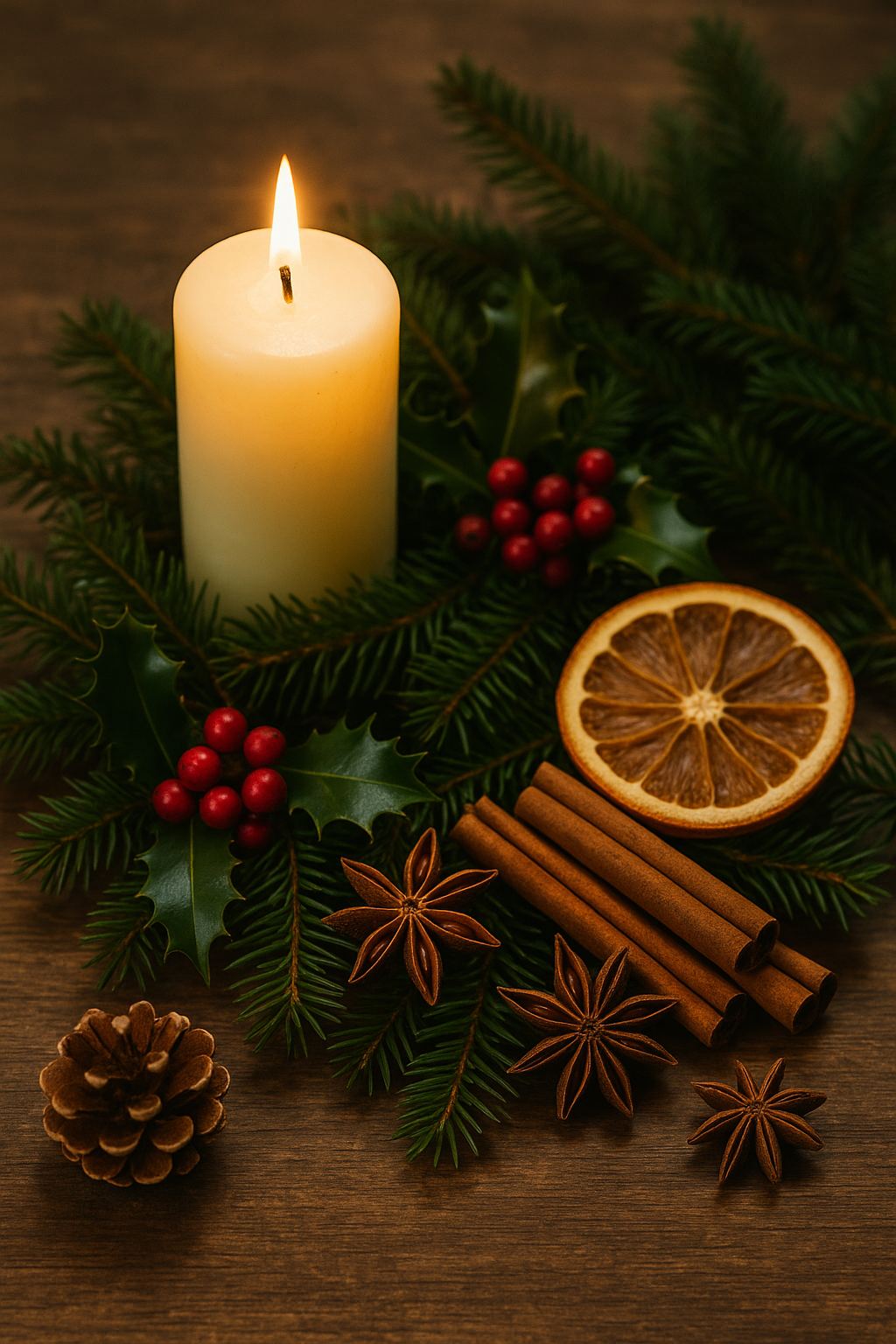
A Yule altar doesn’t need to be elaborate or filled with special tools — in fact, some of the most meaningful ones are built from simple items gathered around the home. Pine branches or clippings from an evergreen tree instantly bring in the energy of winter resilience. A few candles create warmth and symbolize the returning sun. Many people like to include cinnamon sticks, dried orange slices, or bells as small seasonal touches that honor protection, good fortune, and gentle clearing of energy. Crystals such as sunstone, garnet, or clear quartz can be added for intention-setting, though they’re optional.
The beauty of a Yule altar is that it can be as minimal or as detailed as you want. A single candle surrounded by a sprig of greenery is enough to hold the spirit of the season. Or, if you enjoy creating something more layered, you can build a full display with natural textures, winter fruits, and meaningful symbols. What matters most is creating a small place in your home where the energy feels warm, reflective, and connected to the season.
Use items you already have:
- Pine branches
- Candles in gold, white, green, or red
- Cinnamon sticks
- Dried orange slices
- Bells
- Crystals like sunstone or garnet
This can be as simple or elaborate as you like.
Burn a Mini Yule Log
If you don’t have a fireplace big enough for a traditional Yule log, a mini version is a wonderful alternative. Many modern witches use a small branch or section of firewood — something you can easily hold with two hands. The log can be decorated with herbs such as rosemary or pine, and wrapped with a bit of natural fiber twine or ribbon in a seasonal color. Some people carve or draw simple symbols into the wood, like a sun, spiral, or rune for protection.
Three candles are often added to the top or placed around the log, representing hope, renewal, and returning light. You can burn the candles instead of burning the log itself if fire isn’t practical in your home.
Make a Yule Simmer Pot
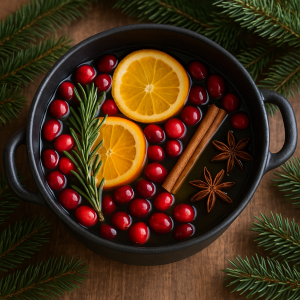
An easy way to set the mood and cleanse your home’s energy.
A simmer pot is one of the easiest ways to bring the feeling of Yule into your home. It fills the space with warmth, fragrance, and a subtle sense of cleansing — especially helpful during the long winter nights. To make one, fill a small pot halfway with water. Add a handful of orange slices for brightness and sun symbolism, a couple of cinnamon sticks for warmth and protection, a few whole cloves, and a sprig of rosemary or pine for purification. You can adjust the ingredients depending on what you have on hand.
Bring the mixture to a gentle simmer, then lower the heat so it barely bubbles. Continue adding water as needed so it doesn’t dry out. The scent will drift through your home, clearing heavy energy and creating a cozy, welcoming atmosphere. Many people like to let the simmer pot bubble during their Yule ritual or while they prepare for guests — it adds a layer of sensory comfort that feels very connected to the season.
Craft Natural Décor
Yule is a wonderful time to lean into handmade, nature-based décor. The act of crafting itself becomes a gentle ritual, helping you slow down and connect with the season. Dried orange slices make beautiful ornaments or garlands and symbolize the sun’s return after the longest night. You can hang them with twine, combine them with cinnamon sticks, or add them to a wreath.
Ideas:
- Dried orange slices
- Foraged pine wreaths
- Cinnamon or clove ornaments
- Paper snowflakes
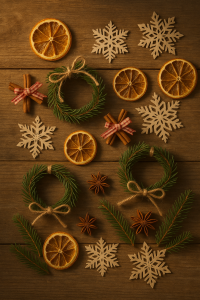
If you enjoy foraging, pine branches and fallen twigs can be woven into small wreaths or table decorations. Cinnamon ornaments, made from cinnamon and applesauce dough, fill the home with fragrance and last for years. Even simple paper snowflakes — a childhood craft many of us forgot — bring a sense of magic and quiet beauty when hung in windows or across walls. These handmade touches bring a natural warmth into your home and help you feel more connected to the season.
Looking for hands-on projects? I’ve collected more easy Yule crafts you can try this season.
Practice Winter Solstice Magic
Because Yule aligns with the Winter Solstice, much of the magic practiced during this time focuses on light, renewal, and clarity. You don’t need an elaborate ritual to tap into this energy. Lighting a candle at sunset and sitting quietly for a moment of reflection is enough to honor the turning of the year. Many people choose to meditate on what they are ready to leave behind, then set a gentle intention for what they want to welcome as the days grow longer again.
If you enjoy working with the moon alongside the seasons, you can carry these themes into full moon rituals focused on release and new moon rituals centered on fresh beginnings.
Because Yule is tied to the sun’s rebirth, you can work with themes of:
- Renewal
- Hope
- New beginnings
- Protection
- Gratitude
A simple candle ritual is enough.
Leave Seasonal Offerings
Offering traditions have always been a part of winter celebrations. Ancient households left small portions of food for ancestors, household spirits, or protective deities during the darkest night of the year. Today, many witches continue this practice in a modern, personal way.
For ancestors, land spirits, or personal deities:
- Bread
- Apples
- Cider
- Winter herbs
Offerings don’t need to be extravagant — their power comes from sincerity. Some practitioners leave offerings outdoors for the land spirits or wildlife (being careful to choose items that are safe for animals). Others keep them on an indoor altar and return them to nature later. This practice reinforces the idea that Yule is not only a celebration of light but also a moment of relationship with the unseen world around us.
Offerings are optional but meaningful for many practitioners.
✶ ✦ ✶ ✶ ✦ ✶ ✶ ✦ ✶
Yule Correspondences for Magical Work
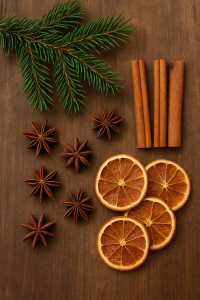
| Element | Correspondence |
|---|---|
| Colors | Deep green, gold, red, brown, white |
| Herbs & Plants | Pine, cedar, rosemary, cinnamon, clove, dried orange peel |
| Crystals | Sunstone, garnet, citrine, clear quartz |
| Symbols | Evergreens, candles, bells, Yule log, dried citrus |
| Themes | Renewal, hope, protection, rest, rebirth |
| Dieties (Optional) | Odin, Frigg, Freyr, The Holly King & Oak King, Various solar dieties |
✶ ✦ ✶ ✶ ✦ ✶ ✶ ✦ ✶
A Simple Yule Ritual for Beginners
Set the Atmosphere
Dim the lights, light a candle, and create a quiet, intentional moment.
Set Up a Mini Altar
Include a few simple items:
- A pine sprig
- A candle
- A bowl of water
- A dried orange
- A meaningful object
If you already have moon water, you can use that in place of the plain water as a way to weave your lunar practice into Yule. If not, here’s how to make moon water for future rituals.
Reflect on the Past Year
Journal your thoughts or mentally acknowledge what the year brought you.
Journal your thoughts or mentally acknowledge what the year brought you. If you like to write things down, you might enjoy using a dedicated Moon Ritual Journal to track your Yule reflections and set intentions for the lighter half of the year.
Light Your Candle
Say something simple like:
“As the sun returns, may warmth return to my home and spirit.”
Choose an Intention
Select one word or phrase for the coming year, such as:
- Rest
- Healing
- Clarity
- Strength
- Abundance
Close with Gratitude
Snuff the candle and take a deep breath. Your ritual is complete.
✶ ✦ ✶ ✶ ✦ ✶ ✶ ✦ ✶
Yule Food and Drinks
Hot Mulled Cider
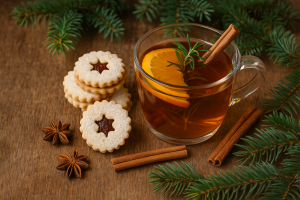
Warm, spiced, deeply traditional, and perfect for gatherings.
Gingerbread or Honey Cakes
Both have strong historical connections to winter feasts.
Herbal Teas
Try blends like:
- Rosemary + orange
- Chamomile + cinnamon
- Apple + clove
If you love building winter tea rituals, you might also like my soothing herbal tea recipes for cold season and cozy nights in.
✶ ✦ ✶ ✶ ✦ ✶ ✶ ✦ ✶
Yule vs. Winter Solstice
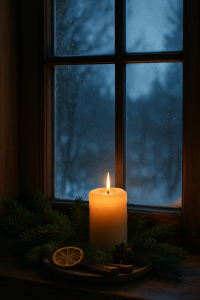
The Winter Solstice is the astronomical event — the precise moment when the sun reaches its lowest point in the sky, creating the darkest night of the year. Yule, however, is the cultural and spiritual celebration woven around that moment. While the solstice marks a scientific shift, Yule marks an emotional and symbolic one. It acknowledges the return of light and invites us to participate in that turning. Celebrating Yule means honoring the solstice not just with observation, but with intention: lighting candles, feasting, crafting, and connecting with seasonal rhythms. The solstice is the event; Yule is the experience we build around it.
Most people combine the two, but this should help to understand the distinction.
✶ ✦ ✶ ✶ ✦ ✶ ✶ ✦ ✶
How to Celebrate Yule on a Budget or in a Small Space
The 10-Minute Yule Ritual
- Light a candle
- Hold a warm cup of tea
- Set one intention
- Sit by a window and breathe
Even this tiny practice is enough to honor the season. If you’d like more ideas you can use year-round, I have a whole guide on simple daily rituals.
How to Celebrate Yule on a Budget
Yule does not require expensive supplies or large spaces.
Yule is inherently simple — it was never meant to be an expensive holiday. In fact, many of the most meaningful traditions rely on what you already have. A single candle can stand in for the Yule log. A pine branch picked up from the ground becomes altar décor. Paper snowflakes make charming garlands, and simmer pots can be made with leftover citrus and spices. Celebrating Yule on a budget is really about embracing the spirit of the season: finding beauty in simple moments, using what nature provides, and crafting rituals that feel personal rather than extravagant. The heart of Yule has always been warmth, connection, and hope — not cost.
✶ ✦ ✶ ✶ ✦ ✶ ✶ ✦ ✶
Yule on the Wheel of the Year
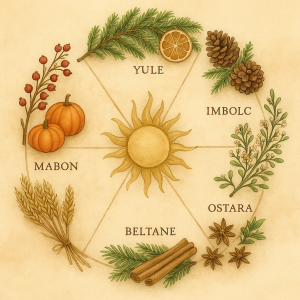
Within the Wheel of the Year, Yule sits at the point of deepest stillness — the moment just before the return of growth. It begins the cycle, marking the rebirth of the sun and the first subtle shift toward spring. After Yule comes Imbolc, the quiet stirring of life beneath the soil; then Ostara, when green shoots appear. Understanding Yule’s place on the Wheel helps root the holiday in a larger context. It’s not just a celebration on its own — it’s the seed that will grow into the year ahead. Many practitioners use this time to set intentions, plant metaphorical seeds, or reflect on what they want to nurture as the light returns.
Final Thoughts
Yule invites us to slow down. Winter asks for rest, reflection, and gentleness. Whether you craft, cook, meditate, or simply light a candle, you’re participating in a tradition that stretches back thousands of years.
Yule is less about perfection and more about presence — a perfect match for the Hearth & Hedge way of living.