Herb Spotlight: Dandelion (Taraxacum officinale)
Dandelions (Taraxacum officinale) are easy to overlook because they grow almost anywhere. The same plant people pull from lawns also produces edible leaves, flowers, and roots, and each part is used differently.
This guide explains the main dandelion benefits, which plant part is used for what, basic safety cautions, and practical ways to work with it in the kitchen and home apothecary.
What Are Some Dandelion Benefits?
Dandelion has been used for centuries across cultures for its medicinal, nutritional, and metaphysical properties. Here’s a breakdown by part of the plant:
Dandelion Root supports liver function and is traditionally used to stimulate digestion and liver function. The roots are often dried and roasted to be used as a coffee alternative.
Dandelion Leaves are rich in vitamins A, C, K, and potassium. They act as a natural diuretic, which is great for kidney funtion and fluid balance. These are often used in teas or tinctures.
Dandelion Flowers are high in antioxidants and flavonoids, making them a great choice for skincare remedies.
Note: Dandelion is generally safe, but it may interact with diuretics or medications affecting blood sugar. People with allergies to plants in the Asteraceae family (such as ragweed, chamomile, or daisies) should use caution, as dandelion may trigger a similar reaction. Always test slowly and consult your care provider if needed.
Medicinal Uses of Dandelion
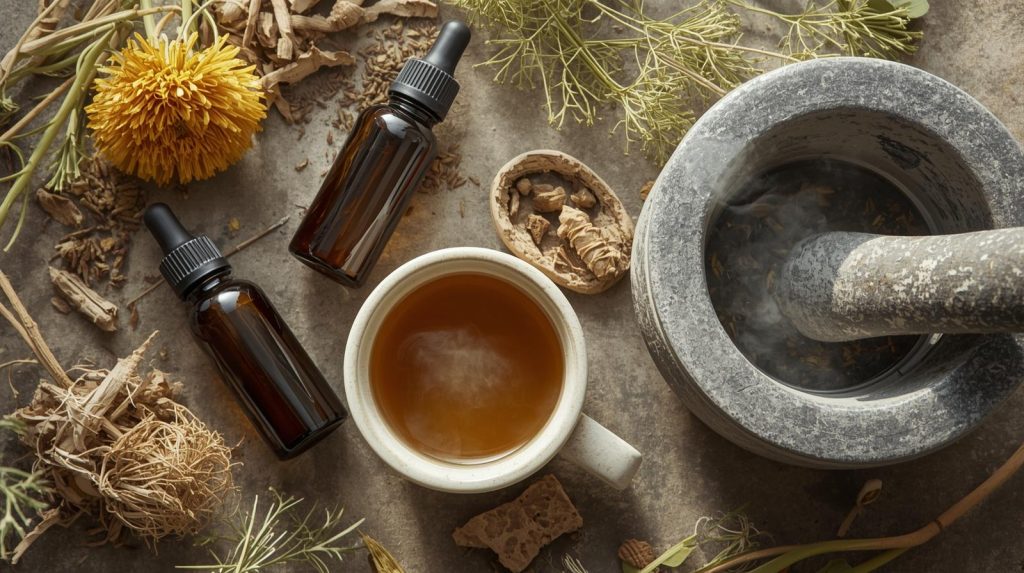
Dandelion is considered a gentle yet effective herb for ongoing use in herbalism. Some of the most common applications include:
- Digestive Tonic: Stimulates bile production and appetite
- Liver Support: Especially the root, which may support detoxification
- Skin Health: Used internally and topically for acne, eczema, and dull skin
- Hormonal Balance: By supporting the liver, it may indirectly aid in clearing excess hormones
- Urinary Tract Support: Due to its natural diuretic effect, it can promote urination and reduce water retention
Here are some of my favorite medicinal uses of dandelion:
Home Apothecary Recipes
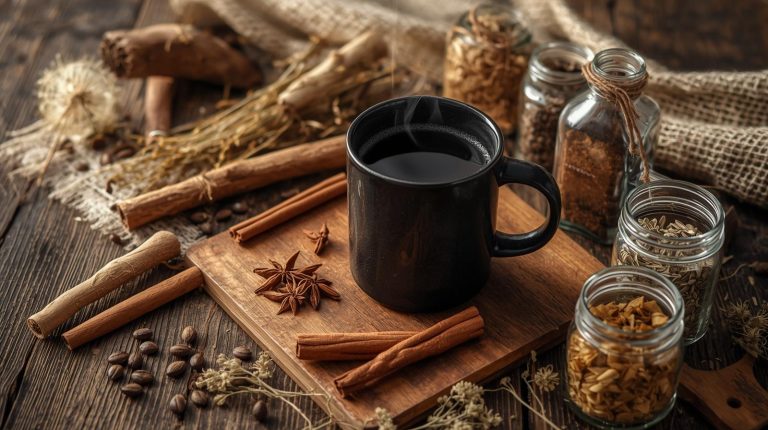
Roasted Dandelion Root Coffee
While not explicitly a medicinal recipe, I would consider it to be a type of daily digestive tonic – especially for those that suffer gastrointestinal issues from coffee.
- Roast chopped roots at 300°F for 30–45 min
- Simmer 1 Tbsp roasted root in 10 oz water for 15 minutes
- Strain and drink like herbal coffee
Add milk, honey, or cinnamon as desired
This beverage supports the liver, encourages elimination, and satisfies the roasted flavor many miss when reducing caffeine.
Dandelion Leaf Tea
Ingredients:
- 1 tsp dried dandelion leaf (or 2 tsp fresh)
- 1 cup boiling water
Instructions:
- Steep leaves in hot water for 5–10 minutes.
- Strain and enjoy. Pairs well with mint or lemon balm.
This tea supports the kidneys and provides a gentle mineral boost. Avoid excessive use if on diuretic medication.
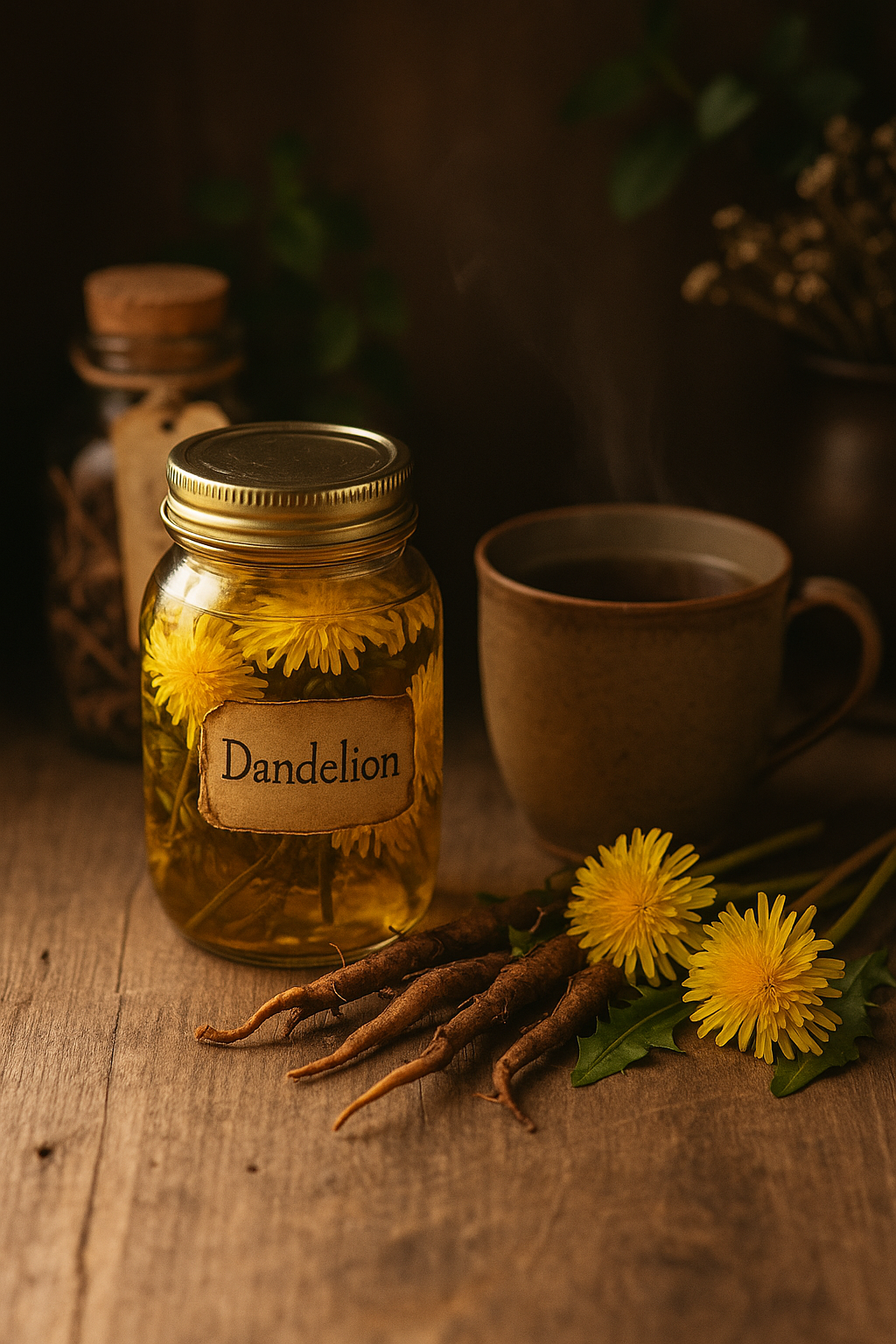
Dandelion Flower Oil (for Skin)
- Pack clean, dry flowers in a jar
- Cover with olive or jojoba oil
- Infuse in a sunny window for 2 weeks, then strain
Use this infused oil for dry skin, sore joints, or chapped hands. The flowers are traditionally used in folk herbalism to soothe inflammation and nourish skin.
Of course, not every use has to be medicinal. Dandelion is just as much a food as it is a remedy.
Dandelion Culinary Uses
Dandelion is just as much a food as it is a remedy. Nearly the entire plant is edible, with distinct flavors and textures depending on part and preparation. Always harvest from a clean, unsprayed area away from roads or runoff.
Leaves
- Best harvested young and tender, before the flower blooms
- Add raw to salads or sauté like spinach
- Can be made into pesto, vinegar infusions, or dried for tea
Roots
- Wash and roast to make dandelion root coffee
- Simmer into bitters or tinctures for digestive support
- Add sliced fresh root to soups or broths
Flowers
- Make dandelion jelly, fritters, or infused honey
- Steep into solar teas or oils
- Add petals to muffins or cookies for a floral touch
These culinary uses are a beautiful way to incorporate seasonal wild foods into your everyday kitchen rituals.
Spiritual and Magical Uses
In folk and green witchcraft traditions, dandelion is associated with:
- Sun magic – bright yellow flowers, solar energy
- Wishes and divination – blowing on seed heads to send messages
- Growth, resilience, and overcoming obstacles – thriving in tough conditions, reclaiming space
- Spirit communication – dandelion root tea is sometimes used in ancestral or intuitive work
You can burn dried dandelion root as incense, add flowers to spell jars, or use the whole plant on your altar to represent strength and persistence.
Identification & Habitat
Dandelions grow in most temperate regions, thriving in full sun and compacted soil. You’ll find them along sidewalks, in meadows, and in neglected garden beds. They are one of the earliest wild herbs to appear in spring and continue blooming through fall.
Key ID features:
White milky sap when broken
Bright yellow composite flowers
Single flower per hollow stem
Deeply toothed leaves forming a basal rosette
Lookalikes
Be cautious of lookalikes such as:
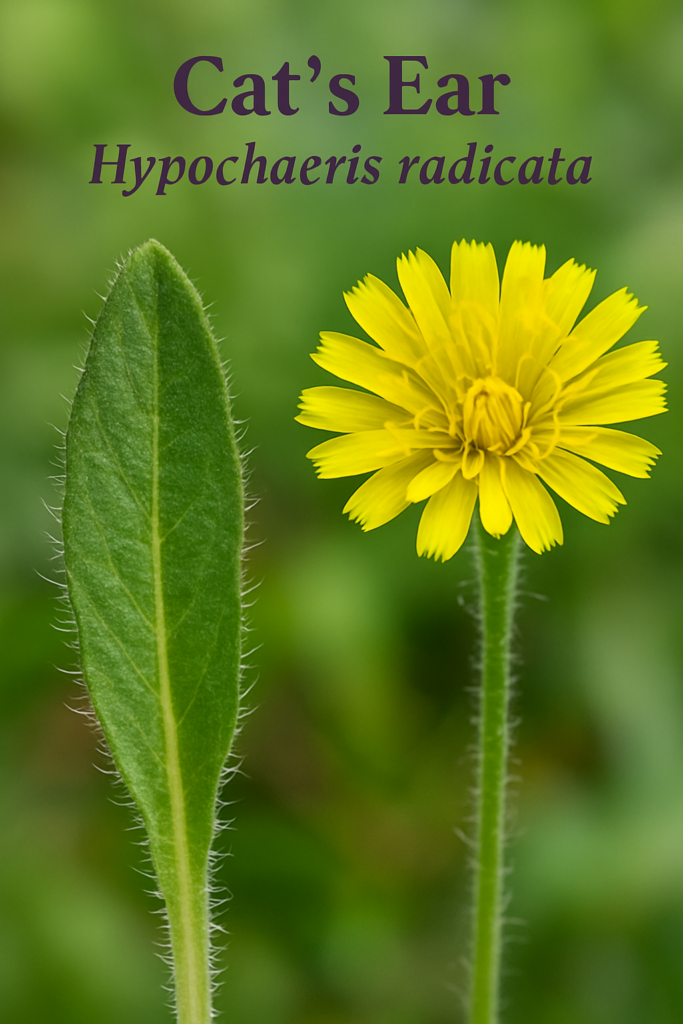
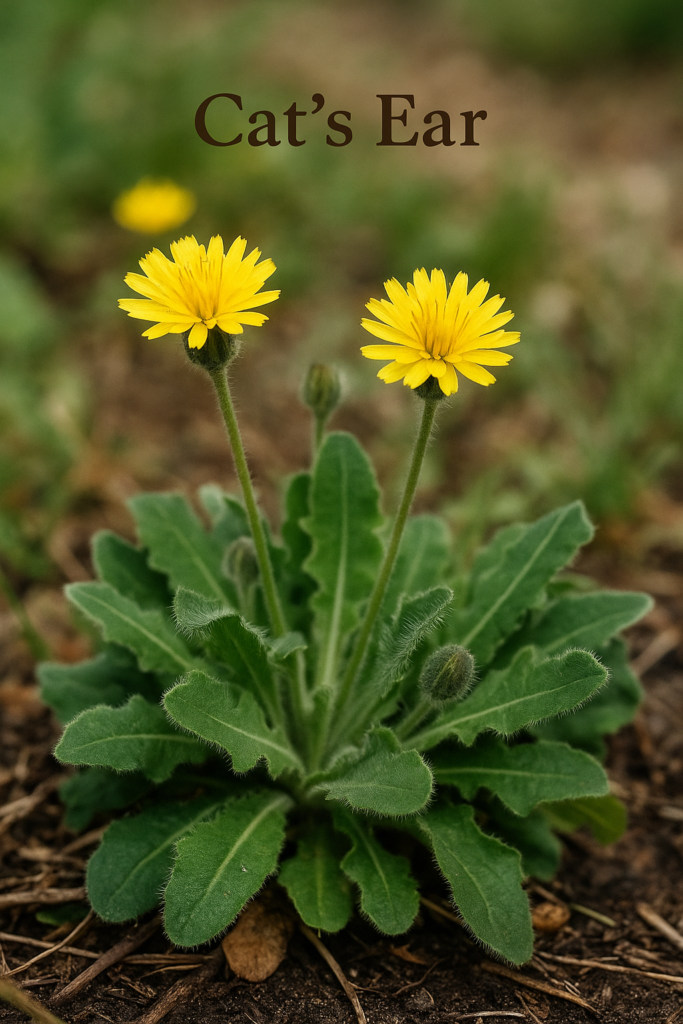
- Cat’s Ear (Hypochaeris radicata) – Hairy leaves, branching stems, multiple flowers per stalk
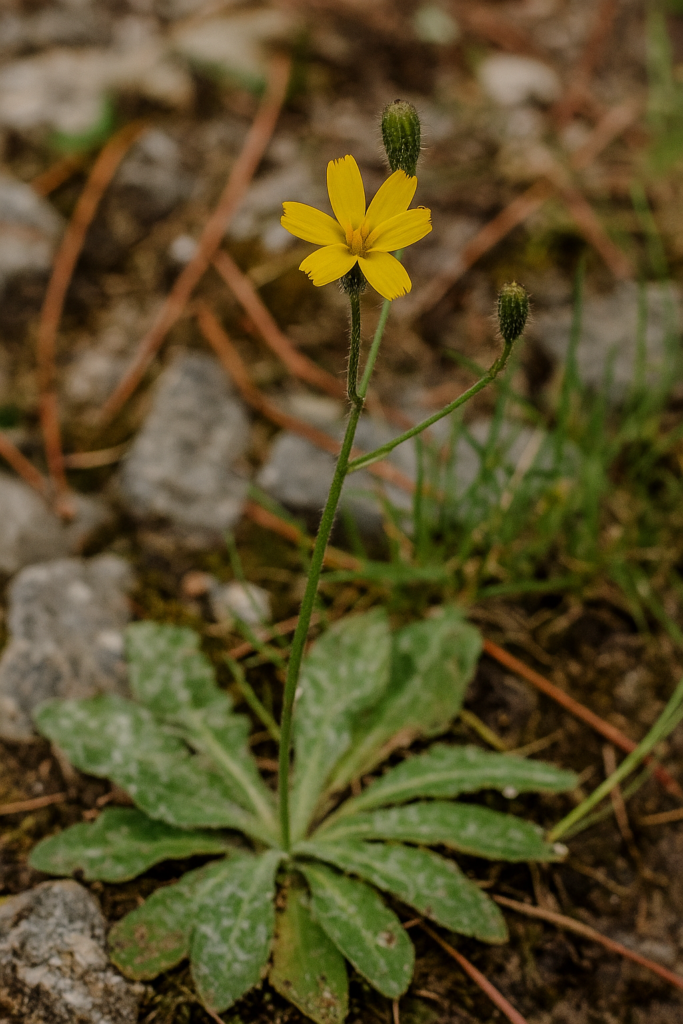
- Hawkweed (Hieracium spp.) – Smaller, more delicate flowers and similar basal leaves
True dandelions have one flower per stem, smooth leaves, and no branching flower stalks.
Dandelion reminds us that healing doesn’t have to be exotic. It’s persistent, generous, and grounded — qualities we could all use a little more of. Whether you sip a roasted root decoction, scatter petals into muffins, or tuck a blossom onto your altar, dandelion offers steady support.
Just be sure to harvest from clean, unsprayed places and with gratitude. This humble plant has earned its place in our gardens, kitchens, and rituals.