Rosemary Benefits and Uses: Herbal, Culinary & Magical Guide
Rosemary benefits and uses reach well beyond cooking. Rosemary (Salvia rosmarinus, formerly Rosmarinus officinalis) is one of the most useful herbs to keep around because it fits into ordinary life without much fuss. It’s used for cooking, herbal remedies, and spiritual practices, making it a true staple for both practical and magical living. That range is what makes rosemary such a practical starting point for a home herbal practice.
You’ll find rosemary used in cooking, traditional herbal preparations, household projects, and protective rituals. The form matters: a culinary sprig, a cup of leaf tea, an infused oil, and rosemary essential oil have different uses and different safety limits.
If you’re building a simple herbal practice, rosemary is one of the best places to start.
A Brief History of Rosemary
Rosemary has deep roots in Mediterranean cultures, where it was used in both daily life and sacred traditions. Its name comes from the Latin ros marinus, meaning “dew of the sea.”
In ancient Greece and Rome, rosemary was associated with memory and fidelity. Students wore it in their hair while studying, and it was commonly used in weddings and funerals as a symbol of remembrance.
Historical accounts describe rosemary being burned, scattered as a fragrant strewing herb, and used in domestic practices during periods of illness. Those customs reflect historical belief and household use, not evidence that rosemary smoke or scattered leaves disinfected a room or prevented infection.
These traditions still shape how rosemary is used today—bridging the gap between practical herbalism and spiritual symbolism.
Traditional and Studied Uses of Rosemary
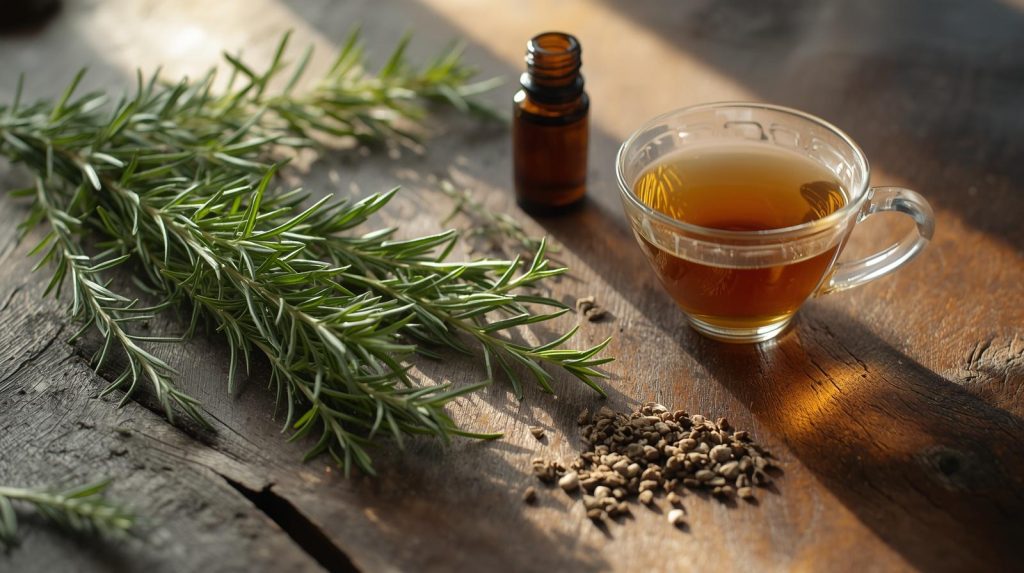
Rosemary isn’t just flavorful—it’s an herb with a long history of traditional use. The European Medicines Agency recognizes rosemary leaf preparations for traditional use in mild digestive complaints and rosemary leaf or oil preparations in baths for minor muscle and joint pain and peripheral circulation. Those conclusions are based on longstanding use rather than strong clinical-trial evidence.
Here are the main traditional and studied uses, with the limits spelled out instead of quietly shoved under the rug:
Digestive Support
Rosemary leaf tea has a history of traditional use for mild indigestion and mild spasmodic digestive complaints. That does not mean it treats ulcers, gallbladder problems, or ongoing abdominal symptoms.
Culinary use is different from concentrated medicinal use. Rosemary’s safety profile differs from a culinary seasoning, and regular medicinal use deserves more caution.
Memory and Focus
Rosemary has a long symbolic association with remembrance. Small human studies using different rosemary preparations have reported possible effects on memory or attention, but the evidence is limited and does not make rosemary a proven cognitive enhancer. Using the scent as a study cue or ritual prompt is reasonable; promising a memory boost is not.
Muscle, Joint, and Circulation Support
Rosemary leaf and rosemary oil preparations have traditional external use in baths for minor muscle and joint discomfort and minor peripheral circulatory complaints. This reflects traditional-use guidance, not proof that rosemary treats arthritis, injuries, or vascular disease. Do not apply rosemary preparations to broken or irritated skin.
Hair and Scalp Care
A small six-month comparative trial in adults with androgenetic alopecia found increased hair counts in both the rosemary-oil and 2% minoxidil groups. That single study does not prove rosemary treats every kind of thinning or hair loss. Use a properly diluted topical product, patch test first, and stop if the scalp becomes irritated.
Rosemary Safety and Who Should Avoid Medicinal Use
Culinary amounts are different from medicinal preparations. The EMA monograph advises against medicinal rosemary leaf use for children under 12, during pregnancy or breastfeeding, and for people with rosemary allergy, bile-duct obstruction, gallbladder inflammation, gallstones, or liver disease. Rosemary essential oil is concentrated: do not swallow it, apply it undiluted, put it in the eyes, or use it on broken skin. It’s not a substitute for medical evaluation of sudden, patchy, painful, or unexplained hair loss.
Safety note: Using rosemary as a food seasoning is one thing; regularly using strong tea, extracts, or essential oil is another. Talk with a clinician or pharmacist before medicinal use if you take medication, have a health condition, or are preparing for surgery.
Rosemary Magical Properties and Correspondences
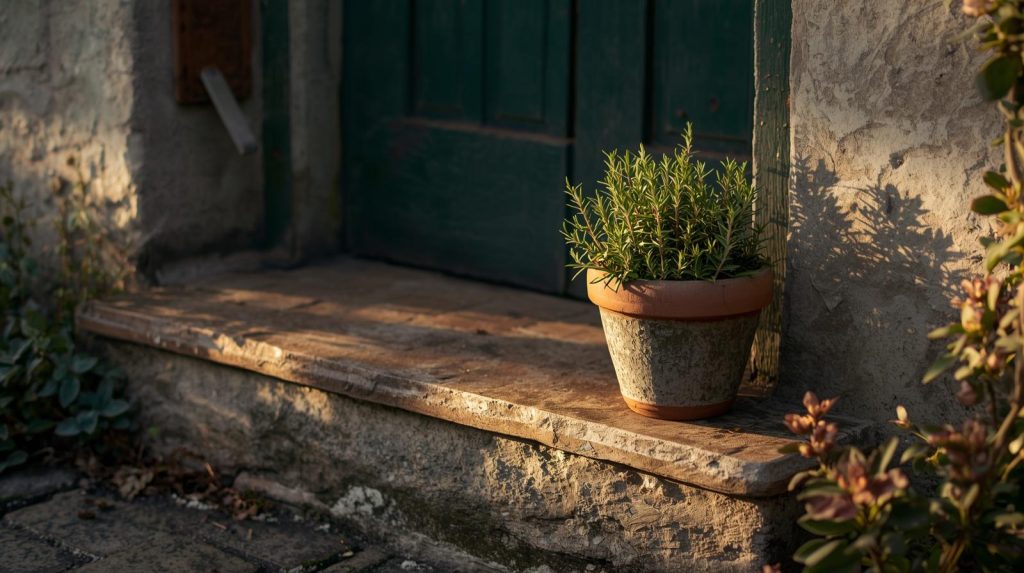
Rosemary is one of the most widely used herbs in magical practice. It’s considered a foundational plant for protection, purification, and clarity.
Common modern correspondences:
Element: Fire
Planet: Sun
Energy: Masculine
Correspondence systems are not universal. Some traditions assign rosemary differently, so treat this as one commonly used framework rather than a rulebook handed down from the universe.
Common Magical Uses
Protection
Hang rosemary by a doorway or include it in a protective sachet. If you burn dried rosemary, use a heat-safe dish, ventilate the room, and skip smoke entirely around respiratory sensitivities, small children, or pets that may be affected.
Purification
Rosemary can be used as a substitute for smoke cleansing. Add it to simmer pots, floor washes, or bath rituals to clear stagnant energy.
Memory and Clarity
Keep rosemary near your workspace or use it in meditation to sharpen focus and recall.
Love and Loyalty
Traditionally associated with fidelity, rosemary is often used in relationship rituals and offerings.
If you want a broader look at how herbs are used in magical practice, you can explore our guide on herbal correspondences for deeper connections between plants and intention.
Culinary Uses of Rosemary
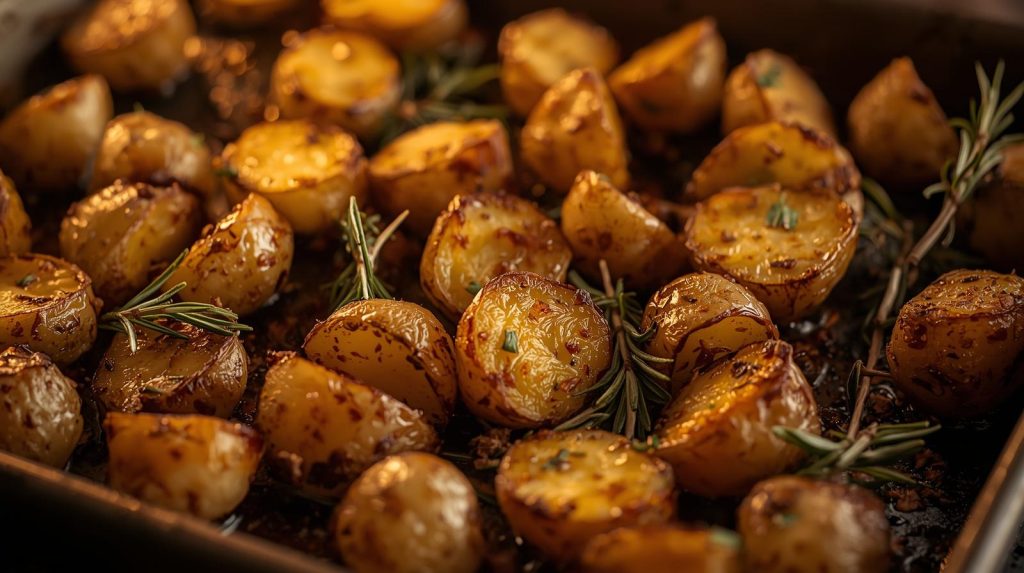
Rosemary is a staple in savory cooking, especially in cooler months when its warming, earthy flavor pairs well with hearty meals.
Everyday Ways to Use Rosemary
- Roasted vegetables: Toss potatoes, carrots, or squash with olive oil and rosemary
- Breads and focaccia: Add to dough or sprinkle on top before baking
- Soups and stews: Simmer a whole sprig for depth of flavor
- Infused oils: Make fresh for immediate use, or follow a tested preservation method. Fresh rosemary in oil should not sit at room temperature.
Food-safety note: Fresh herbs in oil can support the growth of the bacteria that cause botulism when stored improperly. Penn State Extension recommends using a tested acidification method for shelf storage, or keeping a fresh infusion refrigerated and using it within a few days.
Rosemary pairs especially well with garlic, thyme, and sage—making it a key herb in seasonal cooking and kitchen witchery practices.
If you enjoy cooking with intention, this is where rosemary naturally overlaps with everyday ritual work in the kitchen.
If you’re new to cooking with rosemary, start small—its flavor is strong and slightly pine-like. Fresh rosemary tends to be more vibrant and aromatic, while dried rosemary has a more concentrated, earthy flavor. Both can be used interchangeably, but dried rosemary is best added earlier in cooking to soften its texture.
Learning how to use rosemary in cooking is one of the easiest ways to incorporate herbalism into everyday life without adding extra steps.
Household Uses of Rosemary
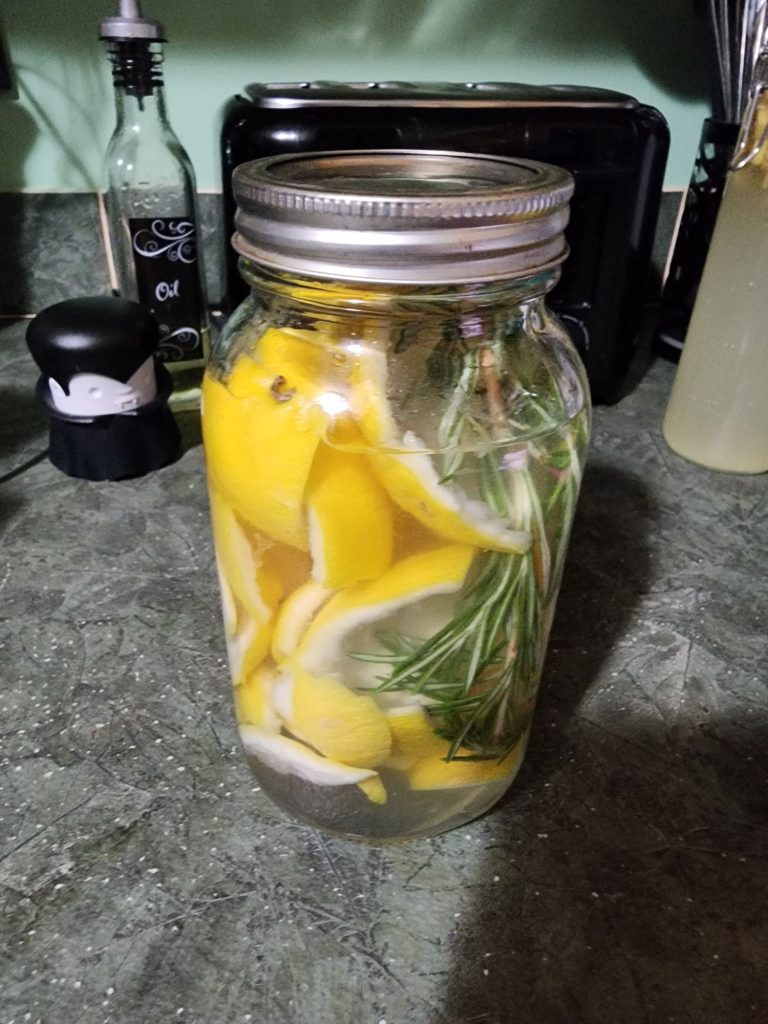
Rosemary is useful in household projects mostly for fragrance and routine cleaning. A rosemary-and-lemon vinegar infusion can be used to wipe down vinegar-safe surfaces, freshen the kitchen, or give leftover herb stems a second job instead of sending them straight to the compost.
Keep the claims realistic: a homemade vinegar infusion is a cleaner, not a tested disinfectant. Do not rely on it when actual disinfection is needed. Never mix vinegar with bleach or another cleaner, and avoid using acidic cleaners on natural stone, unsealed grout, or finishes that can be etched or dulled. Test a small hidden area first.
How to Grow and Preserve Rosemary
Rosemary is fairly low-maintenance once its drainage and light are right. The usual problem is not neglect; it is wet soil hanging around the roots for too long.
Growing Rosemary
- Soil: Use a loose, fast-draining mix. Containers need an actual drainage hole, not just a layer of rocks pretending to be one.
- Light: Give rosemary full sun outdoors or the brightest indoor window available.
- Water: Water thoroughly, then let the upper layer of soil dry before watering again. Do not leave the pot sitting in water.
- Airflow: Give indoor plants room for air to move around the stems, especially during damp or cool weather.
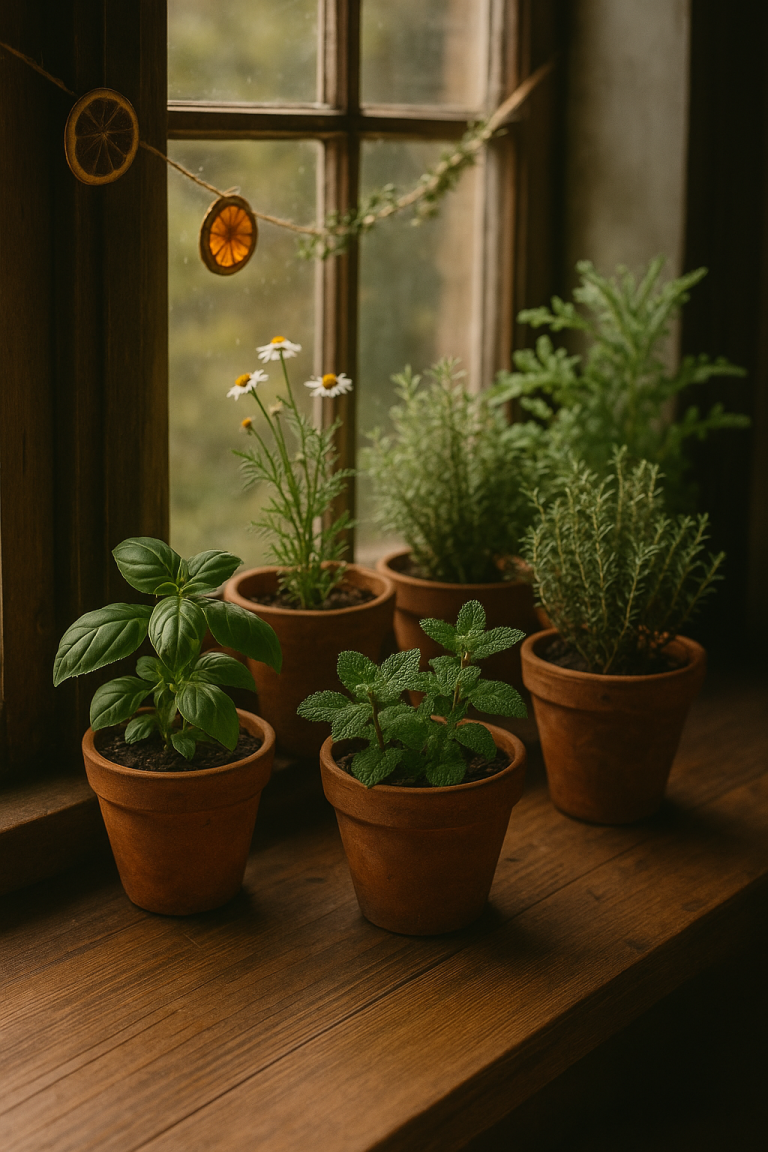
It grows well outdoors or in a sunny window, making it ideal even for small spaces. Rosemary is also a drought-tolerant herb, which makes it ideal for low-maintenance gardens or busy households that don’t want to fuss over constant watering.
If you’re unsure about proper growing conditions for rosemary, start with sunlight, drainage, and realistic watering. Our beginner’s herb garden guide covers the basic setup for growing herbs in small spaces.
Harvesting and Preserving
- Harvesting: Snip flexible green stems as needed and avoid cutting the whole plant back into old bare wood at once.
- Drying: Dry small bundles or loose sprigs in a warm, shaded place with good airflow. The leaves should feel crisp before they go into a jar. For the full process, see how to dry herbs.
- Freezing: Freeze clean, dry sprigs on a tray and move them to a labeled freezer bag once firm. Chopped rosemary can also be frozen in water or broth for cooking.
- Storage: Keep fully dried rosemary in an airtight container away from heat, moisture, and direct light. Discard it if it becomes damp, musty, or visibly moldy.
Having rosemary on hand makes it much easier to incorporate into both meals and rituals.
Simple Rosemary Rituals for Everyday Use
You don’t need elaborate tools to work with rosemary. Small, consistent practices are often the most powerful.
Protective Doorway Charm
Tie a fresh or dried rosemary sprig with twine and hang it near the doorway. Dip your finger or a small brush into plain water or moon water, then draw a protective symbol on the door or frame while setting your intention. Use only a small amount and let the surface dry completely. On unfinished wood or other water-sensitive surfaces, test a hidden spot first or draw the symbol in the air instead. Replace or compost the rosemary when it becomes dusty, brittle, or musty.
Morning Clarity Ritual
Crush a fresh rosemary sprig between your fingers, breathe in the scent, and set one clear priority for the day. Adults who can safely use rosemary may choose an occasional mild tea, but the scent alone works perfectly well as a focus cue.
Cleansing Simmer Pot
Add rosemary and lemon peel to a pot of water and let it gently simmer as a scent-based cleansing ritual. Keep the pot attended, add water as needed, and turn it off before the pan cooks dry. Skip ingredients that are unsafe for anyone or any pet in the household.
Bath for Release
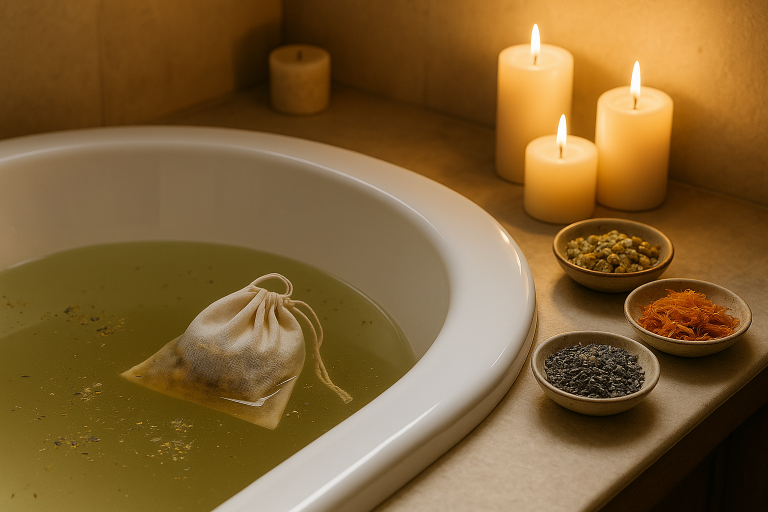
Place dried rosemary in a tied muslin bag and add it to the bath for a simple cleansing ritual. Do not drip rosemary essential oil directly into bathwater; it does not disperse evenly and can irritate skin. Use a properly formulated bath product or leave the essential oil out. For more ideas, see our ritual baths and herbal bath tea guide.
Why Rosemary Is a Foundational Herb
If you only keep one herb on hand, rosemary is a strong choice.
It bridges:
- practical use (cooking)
- wellness support
- spiritual practice
That’s what makes rosemary so useful in everyday life. You don’t have to go out of your way to use it—it naturally fits into daily life.
Rosemary FAQ
What is rosemary used for?
Rosemary is used as a culinary herb, in traditional leaf preparations such as tea or baths, in properly diluted topical products, and in magical practices associated with remembrance, protection, and cleansing. The preparation matters because rosemary leaf and rosemary essential oil are not interchangeable.
What are the benefits of rosemary?
Rosemary is useful as a flavorful culinary herb and has a long history of traditional use for mild digestive complaints and in baths for minor muscle, joint, and peripheral circulation discomfort. Human research on memory and hair growth is limited, so it should not be treated as a proven cure.
Can you drink rosemary tea daily?
Rosemary tea is more concentrated than using the herb as a seasoning. Occasional use may be appropriate for some adults, but regular medicinal use is not a good fit for everyone. Avoid medicinal amounts during pregnancy or breastfeeding unless a qualified clinician approves them. If you take medication or have a medical condition, it’s safer to ask a healthcare professional before using it regularly.
How do you use rosemary for hair growth?
A small six-month trial in adults with androgenetic alopecia found increased hair counts with rosemary oil and 2% minoxidil, but the study was small and condition-specific. It’s not proof that it will help every cause of thinning. Use a properly diluted topical product, patch test first, and see a clinician for sudden, patchy, painful, or unexplained hair loss.
What does rosemary symbolize spiritually?
In many modern magical practices, rosemary is associated with remembrance, protection, purification, loyalty, and mental clarity. Correspondence systems vary by tradition, so these are common associations rather than universal rules.
Rosemary is more than just an herb—it’s a steady, reliable presence in both the kitchen and the home. Whether you’re adding it to a meal, brewing it into tea, or using it in a simple ritual, it offers a grounded way to connect intention with everyday life.
You don’t need to do everything at once. Use it in one meal, one cup of tea, or one quiet moment of intention—and build from there.