How to Start a Beginner’s Herb Garden for Magic & Medicine
Starting a garden can feel overwhelming when you picture sprawling vegetable beds and hours of daily care. But here’s the truth: you don’t need acres of space or endless free time to grow something beautiful, useful, and magical.
If you want fresh flavors in your kitchen, simple remedies in your apothecary, and plants to use in your magical practice, a small herb garden is the perfect starting point.
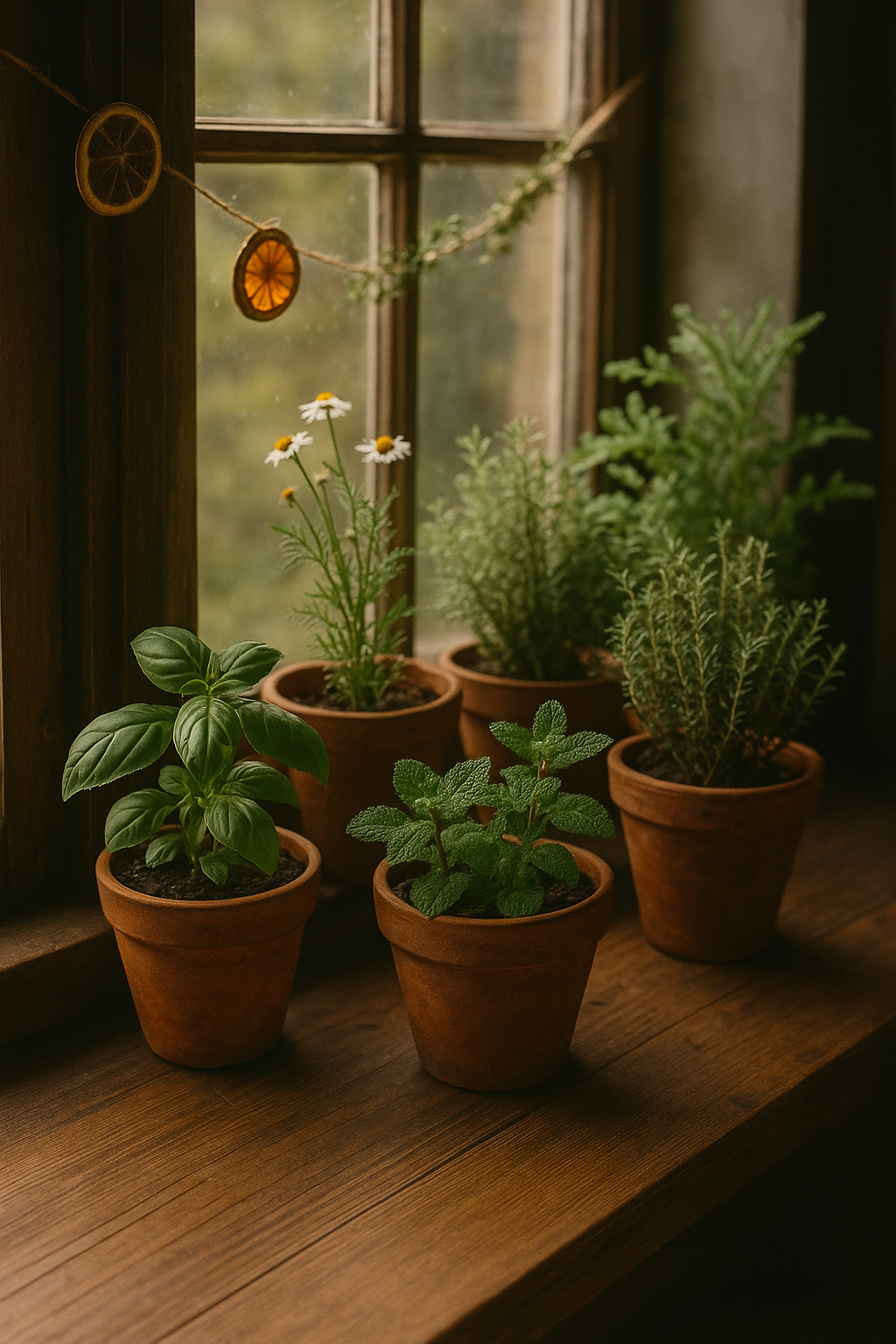
Your first herb garden can be a backyard bed, a few pots on a balcony, or one sunny windowsill. The important part is choosing herbs that match the light and space you actually have. This guide covers the growing basics first, then the culinary, traditional herbal, and magical uses.
Why Start with Herbs
There’s a reason so many first-time gardeners fall in love with herbs. They’re easy to grow, require minimal tools, and give you something to harvest almost immediately.
Benefits of starting with herbs:
- Culinary: Fresh herbs transform any meal from ordinary to flavorful.
- Medicinal: Many herbs soothe, restore, or support wellness naturally.
- Magical: Herbs have long been used in rituals, spells, and seasonal traditions.
- Low-maintenance: Most herbs thrive in modest conditions with minimal upkeep.
Growing herbs is also about cultivating a relationship — learning their preferences, noticing their growth patterns, and understanding how they respond to care.
Planning Your Beginner’s Herb Garden
Before you buy your first seed packet or plant start, take a little time to plan.
Choosing Your Space
- Containers: Perfect for small spaces or if you want to move plants around for light.
- Raised Beds: Great for drainage and soil control.
- In-ground Plots: Ideal for larger gardens, but requires weeding and soil prep.
Sunlight: Most herbs need 6–8 hours of sun each day. Watch your chosen spot to see how light moves through it.
Magical Herb Garden Layout Ideas
You can design your garden purely for function — or weave in symbolism:
- Circle Beds: Represent the wheel of the year, planting herbs by seasonal or elemental correspondences.
- Grouped by Intention: Prosperity plants in one pot, protection plants in another, love and joy plants in another.
- Pathways & Altars: Leave space for a small garden altar, stepping stones, or wind chimes to make it a space you want to visit daily.
The Best Beginner Herbs for Magic & Medicine
1. Basil (Ocimum basilicum)
- Growing Needs: Loves warmth and sun. Pinch off flower buds to keep leaves tender.
- Medicinal Uses: Rich in antioxidants; aids digestion; may reduce inflammation.
- Magical Uses: Prosperity, protection, love. Place near the doorway for good fortune or use in kitchen magic to bless food with abundance.
2. Mint (Mentha spp.)
- Growing Needs: Thrives in containers (spreads aggressively if planted in the ground). Likes partial to full sun and consistent moisture.
- Medicinal Uses: Eases nausea, aids digestion, relieves headaches.
- Magical Uses: Cleansing, clarity, prosperity. Use in floor washes, tea blends for focus, or as a protective charm in the home.
3. Chamomile (Matricaria recutita or Chamaemelum nobile)
- Growing Needs: Prefers sun and well-drained soil. Needs moderate watering.
- Medicinal Uses: Calming tea for anxiety and insomnia; soothes skin when used in baths or compresses.
- Magical Uses: Peace, purification, good fortune. Sprinkle dried flowers in sachets for restful sleep or add to bath teas to encourage emotional release.
4. Thyme (Thymus vulgaris)
- Growing Needs: Loves full sun, tolerates drought, and thrives in rocky or sandy soil.
- Medicinal Uses: Antimicrobial; supports respiratory health.
- Magical Uses: Courage, cleansing, and warding. Burn dried sprigs to clear stagnant energy or carry in a charm bag for strength.
5. Lemon Balm (Melissa officinalis)
- Growing Needs: Grows quickly and spreads easily; thrives in partial to full sun.
- Medicinal Uses: Calms nerves, lifts mood, supports digestion.
- Magical Uses: Joy, love, emotional healing. Use in dream pillows or uplifting teas to encourage positive thinking and ease sorrow.
6. Rosemary (Salvia rosmarinus)
- Growing Needs: Full sun, well-drained soil. Perennial in warm climates; pot and overwinter indoors in colder zones.
- Medicinal Uses: Enhances memory and focus; may support circulation.
- Magical Uses: Protection, remembrance, purification. Use in smudge bundles, kitchen magic, or under pillows for clear dreams.
7. Sage (Salvia officinalis)
- Growing Needs: Prefers sun and slightly sandy soil. Avoid overwatering.
- Medicinal Uses: Antimicrobial; used traditionally for sore throats and digestive support.
- Magical Uses: Cleansing and wisdom. Burn for space clearing or use in spell jars for insight.
8. Calendula (Calendula officinalis)
- Growing Needs: Full sun; blooms throughout the season if deadheaded regularly.
- Medicinal Uses: Skin-healing in salves and creams; supports wound healing.
- Magical Uses: Joy, protection, and psychic enhancement. Sprinkle petals in bath water for brightness or use in charms to encourage positive energy.
Optional: With 8 herbs, you can now map them into a circular planting pattern — one for each spoke of the Wheel of the Year — aligning each plant with a sabbat or seasonal energy. For example:
- Imbolc: Chamomile (peace, preparation)
- Ostara: Calendula (renewal, joy)
- Beltane: Basil (love, prosperity)
- Litha: Rosemary (protection, strength)
- Lughnasadh: Lemon Balm (happiness, vitality)
- Mabon: Sage (wisdom, balance)
- Samhain: Thyme (courage, honoring ancestors)
- Yule: Mint (clarity, protection)
Seasonal Planting Tips
Spring: Best time to start most herbs, either from seed indoors or from starter plants outdoors after frost.
Summer: Keep herbs watered during hot spells and harvest frequently to encourage growth.
Autumn: Some herbs (like parsley, chives, and mint) tolerate cooler weather.
Winter: Bring tender herbs indoors or grow under lights; dry and store summer harvests for winter use.
Moon Gardening Tip: Plant leafy herbs during the waxing moon for strong growth, and root or perennial herbs during the waning moon for longevity.
The Old Farmer’s Almanac has plenty of additional tried and true planting tips for a beginners herb garden here.
Harvesting & Storing Your Herbs
Harvesting: Snip in the morning after dew dries but before midday heat. Cut above a leaf node to promote branching.
Drying Methods:
- Air Dry: Tie small bundles and hang in a warm, dry space.
- Screen Dry: Spread leaves on mesh racks in a shaded area.
- Dehydrator: Use low heat to preserve oils and medicinal compounds.
Storage: Keep dried herbs in airtight jars away from light and moisture. Label with name and harvest date.
For more on drying herbs check out Preserving the Harvest: How to Dry Herbs and the printable drying time chart.
Using Your Harvest: Magic & Medicine
- Infused Oils: Combine dried herbs with carrier oils for skin balms or ritual anointing.
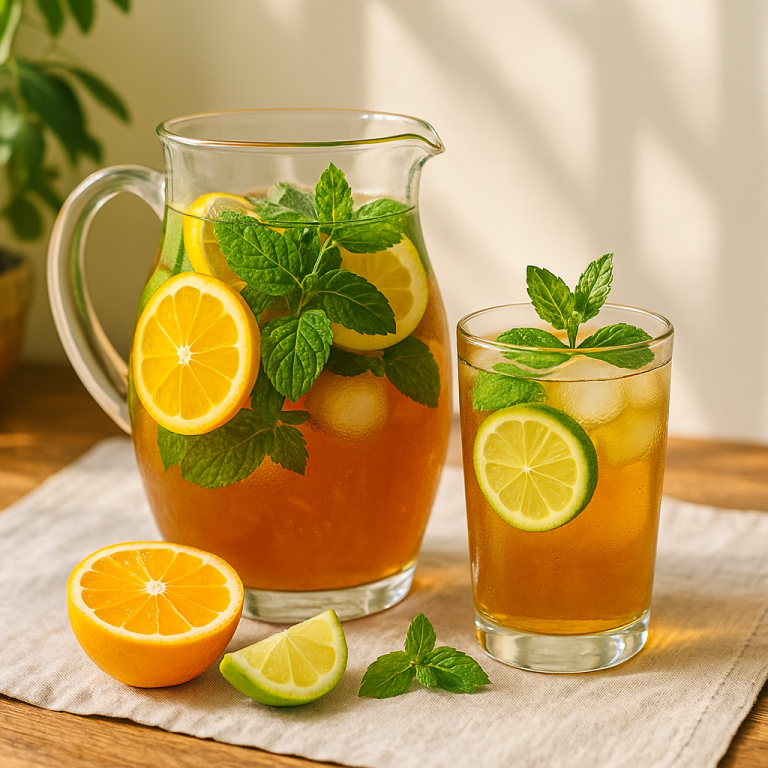
- Herbal Teas: Blend for relaxation, focus, or seasonal immune support.
- Incense & Smoke Bundles: For cleansing and ritual.
- Cooking: Fresh or dried herbs elevate soups, breads, sauces, and salads.
Beginner Troubleshooting
- Leggy Growth: Not enough light — move to sunnier location.
- Yellow Leaves: Overwatering or poor drainage.
- Pests: Try natural repellents like neem oil or companion planting (e.g., basil repels flies, rosemary deters beetles).
- Slow Growth: Check for compacted soil or nutrient deficiencies.
Bringing Magic into Your Gardening Practice
- Daily Connection: Spend a few minutes each day observing and touching your plants.
- Offerings: A sprinkle of water (you can also use moon water for this), a song, or a pinch of compost as thanks.
- Seasonal Rituals: Bless seeds before planting, celebrate first harvests, and compost spent plants with gratitude.
A beginner’s herb garden is more than a collection of plants — it’s a living space that supports your body, mind, and spirit. With even a small patch of soil or a sunny window, you can grow herbs that feed you, heal you, and connect you to the rhythms of nature.
Start with just a few plants, learn their needs, and explore how they can be woven into your magical and medicinal practices. Over time, you’ll not only have a thriving garden but also a deeper connection to the earth and to yourself.