Toenail Fungus Care: What Helps and When to Seek Treatment
A thick, discolored, or crumbling toenail may be caused by a fungal infection, but appearance alone cannot confirm it. Nail injuries, psoriasis, bacterial infections, and other conditions can look similar. That matters because the wrong treatment can waste months while the nail continues to change.
This guide focuses on practical nail care, what the evidence says about home remedies, and when it makes sense to ask a dermatologist or podiatrist for testing.
Medical note: This article is general education, not diagnosis or treatment advice. People with diabetes, poor circulation, reduced sensation in the feet, or a weakened immune system should contact a healthcare professional rather than trying to manage a suspected nail infection alone.
What Toenail Fungus Can Look Like
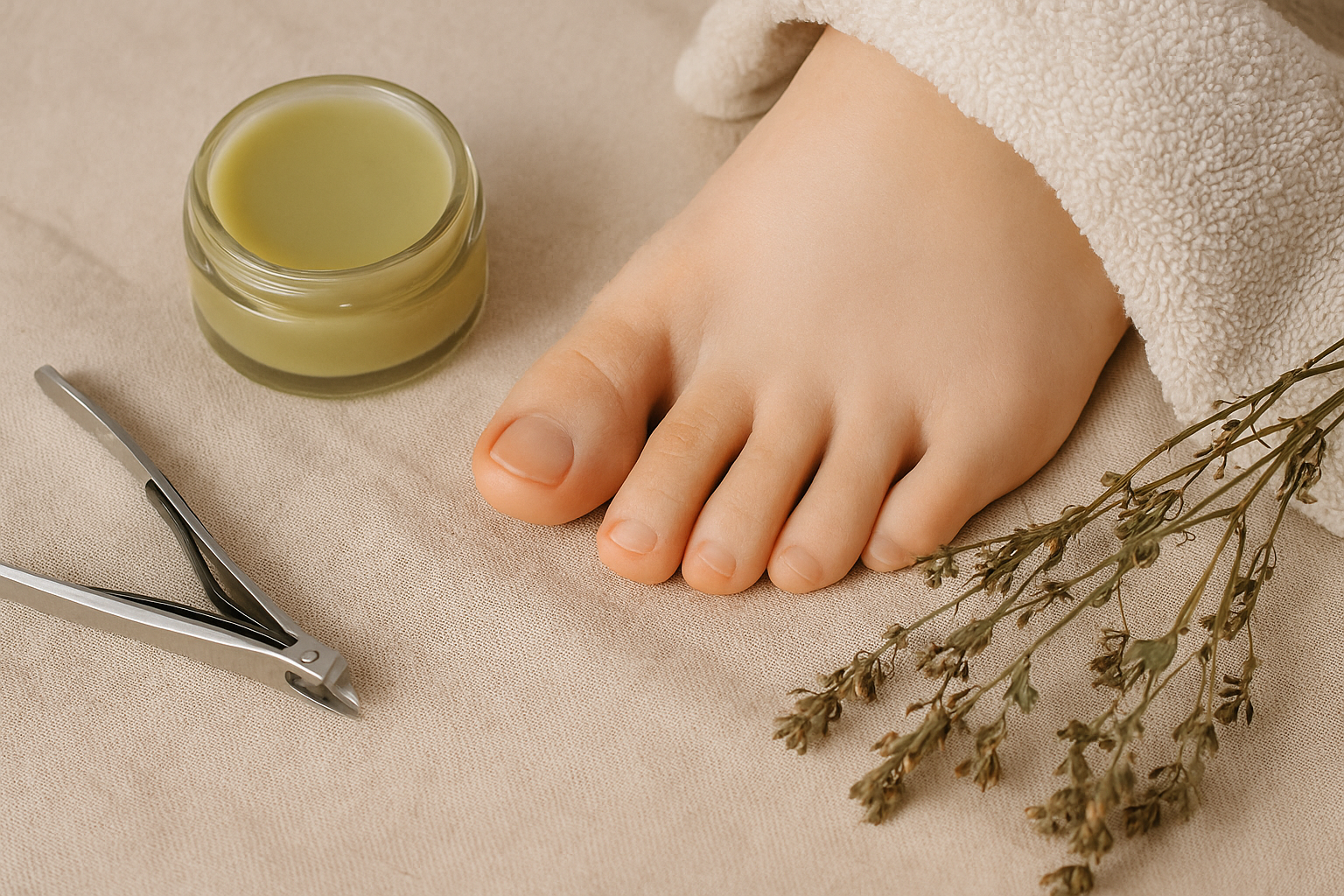
A fungal nail infection, or onychomycosis, can cause a toenail to become thick, brittle, crumbly, lifted, or yellow, white, or brown. The American Academy of Dermatology notes that other nail conditions can produce similar changes, so a clinician may examine a nail clipping or debris before recommending treatment.
Green or black discoloration, bleeding, drainage, significant pain, redness, or swelling should not be treated as a routine cosmetic problem. Those changes deserve medical attention.
Why It Takes So Long to Improve
Even effective treatment does not instantly restore the damaged portion of a nail. Toenails grow slowly, so improvement is usually judged by whether clearer nail is growing from the base. Complete replacement can take many months.
Recurrence is also common. Moist footwear, untreated athlete’s foot, shared nail tools, and contaminated shoes can expose the nail again.
Home Care That Supports Treatment
These steps do not cure an established nail infection by themselves, but they can reduce moisture, make thick nails easier to manage, and lower the chance of reinfection:
- Wash feet regularly and dry carefully, especially between the toes.
- Keep nails trimmed straight across and gently smooth rough edges. Do not dig under a lifting nail.
- Use separate clippers or files for an affected nail, and disinfect tools after use.
- Change out of damp socks and allow shoes to dry fully between wears.
- Wear footwear in public showers, pools, and locker rooms.
- Treat athlete’s foot promptly with an appropriate antifungal product so it is less likely to spread to the nails.
The AAD also recommends washing socks in hot water and detergent and disinfecting or replacing footwear worn before treatment. See its nail-fungus prevention guidance for more detail.
What About Vinegar, Tea Tree Oil, and Herbal Salves?
Laboratory antifungal activity is not the same as proving that a substance can clear fungus from a human nail. The nail plate is difficult to penetrate, and research on most home remedies is limited.
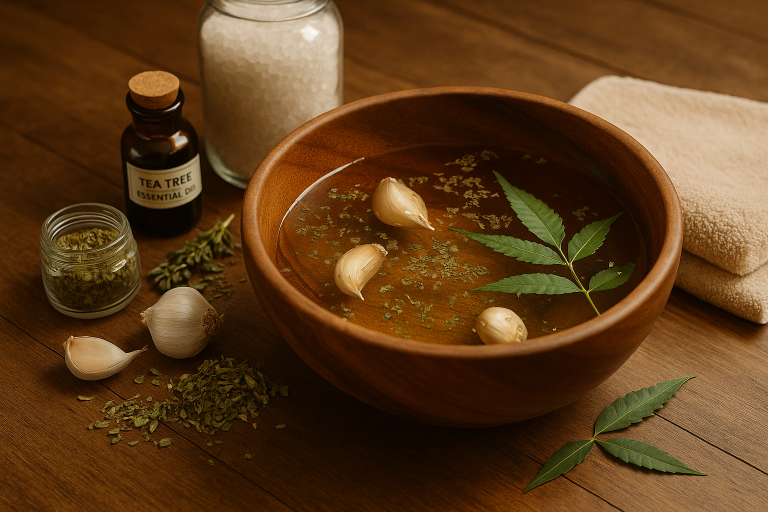
The National Center for Complementary and Integrative Health says there have been only a few studies of tea tree oil for fungal nail infections, and the evidence is not strong enough to reach a conclusion. Tea tree oil can also irritate skin and should never be swallowed. Vinegar soaks, oregano oil, garlic, black walnut, goldenseal, and herbal salves do not have good clinical evidence showing that they cure onychomycosis.
If you still choose to try a cosmetic soak on intact skin, stop if it burns, stings, causes a rash, or leaves the skin cracked. Do not apply essential oils under a lifted nail or to broken skin. A warm-water soak can soften a thick nail before careful trimming, but dry the foot thoroughly afterward.
Treatments With Better Evidence
Treatment depends on how much of the nail is affected, which organism is present, your health history, and whether more than one nail is involved. Options may include prescription topical medication, oral antifungal medication, thinning or debriding a thick nail, or monitoring a mild case that is not causing problems.
Oral medicines can be more effective for some infections but are not appropriate for everyone and may require a medication review or laboratory monitoring. A dermatologist or podiatrist can explain the tradeoffs. The AAD treatment overview and Mayo Clinic treatment guide provide useful starting information.
When to Make an Appointment
Arrange medical evaluation if:
- You are unsure whether the change is actually fungal.
- The nail is painful, rapidly worsening, separating near the base, or affecting walking.
- There is redness, warmth, swelling, pus, bleeding, or green or black discoloration.
- Several nails are affected or the problem keeps returning.
- You have diabetes, poor circulation, reduced foot sensation, or a weakened immune system.
Tracking Nail Changes
Because toenails grow slowly, a simple record can be more useful than checking the nail every day and wondering whether it looks different. Note the date, which nail is affected, symptoms, products or medication used, irritation, and whether clear nail is growing from the base.
Use the free nail-care progress tracker. It is a record-keeping tool, not a treatment plan, and it can be taken to an appointment if you need professional care.
Frequently Asked Questions
Can a nail’s appearance confirm fungus?
No. Several injuries and skin conditions can resemble nail fungus. Testing may be needed before treatment, especially before taking an oral antifungal.
Does tea tree oil cure toenail fungus?
Current research is insufficient to conclude that it does. It may also cause skin irritation.
How do I know whether treatment is working?
Look for clearer nail growing from the base rather than expecting the damaged portion to change back. A clinician can help assess progress if the nail is not improving.