Best Herbal Teas for Summer: Refreshing, Cooling, and Caffeine-Free
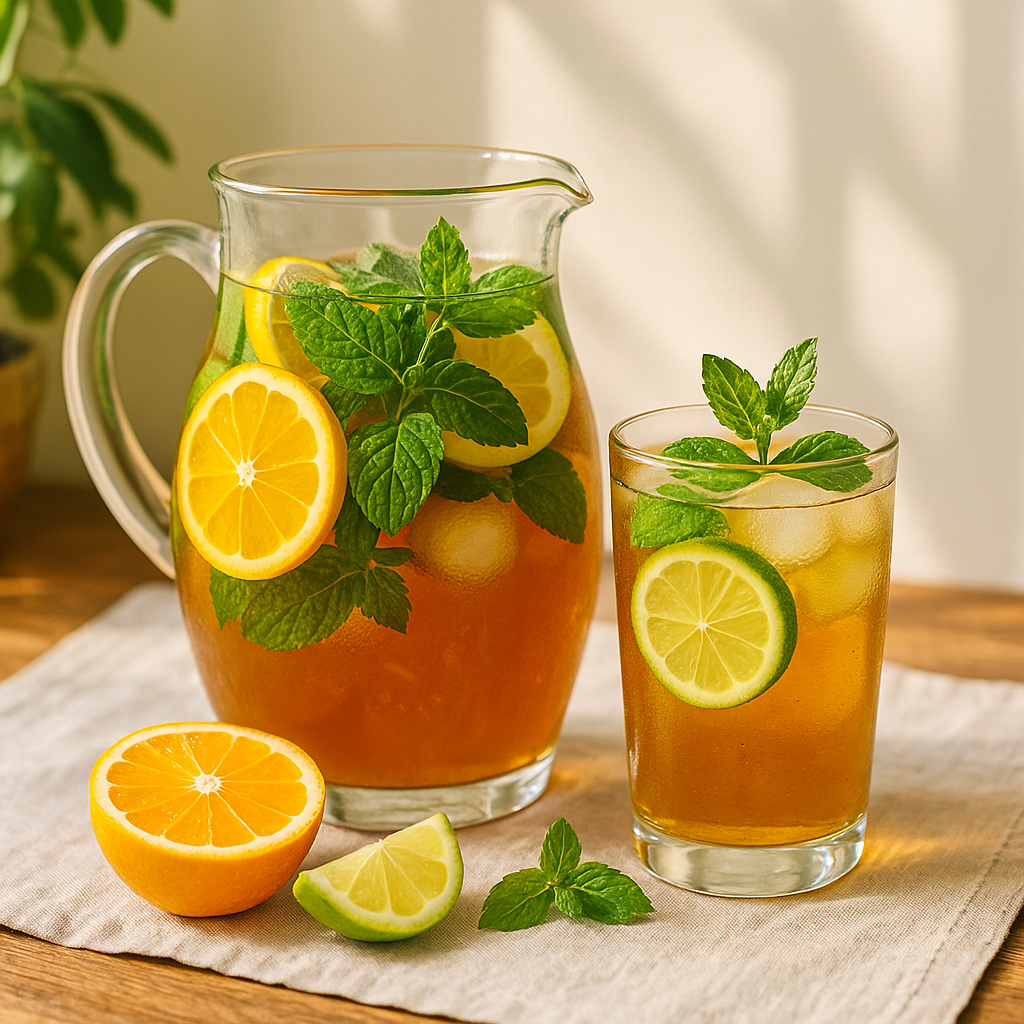
Herbal tea does not have to be served hot. Hibiscus, peppermint, lemon balm, lemongrass, and similar blends can be brewed strong and poured over ice, cold-steeped overnight, or mixed with fruit for a simple summer drink.
Most herbal infusions are naturally caffeine-free, but the exact effects and safety depend on the plant. The recipes below focus on familiar flavors and straightforward preparation rather than treating every glass as a wellness cure.
Why Herbal Tea Is Perfect for Summer
Unlike traditional black or green tea, most herbal teas are caffeine-free, which makes them hydrating and safe to drink throughout the day. This is especially important in hot months, when caffeine can contribute to dehydration and increased body heat.
Many herbs also carry cooling, calming properties—peppermint and lemon balm, for example, are well-known for their ability to soothe digestion and help the body feel refreshed. Others, like hibiscus, offer a tangy, fruity flavor while providing electrolytes and antioxidants.
And there’s another advantage: herbal teas are highly versatile. They can be steeped hot and poured over ice for a strong, concentrated brew, or cold-brewed overnight for a smoother, less bitter taste. They pair beautifully with fruits, flowers, and spices, allowing you to craft your own signature blends.
Top Herbal Teas for Summer
Hibiscus
Bright red hibiscus tea doesn’t just look stunning in a glass—it’s naturally tart, hydrating, and loaded with Vitamin C and antioxidants. It’s an excellent choice for hot weather, whether enjoyed plain or sweetened with a touch of honey or fruit juice.
Peppermint
Peppermint is one of the most cooling herbs you can drink. It soothes digestion, provides a refreshing flavor, and can help ease tension headaches triggered by heat or stress. For a fun twist, try pairing it with cucumber slices for a spa-like iced tea.
Lemon Balm
This calming member of the mint family has a mild lemon flavor that works beautifully in summer teas. It’s traditionally used for easing stress and supporting digestion, making it an excellent choice for late afternoons or after meals.
Rooibos
Native to South Africa, rooibos is naturally caffeine-free, rich in antioxidants, and mildly sweet on its own. It’s excellent as a base for iced tea blends, especially with a splash of citrus or a bit of vanilla.
Butterfly Pea Flower
This vibrant blue tea turns a deep purple when you add a splash of lemon or lime juice. Its novelty makes it a fun choice for summer gatherings, and while it has a mild earthy flavor on its own, it pairs well with floral or citrus additions.
Lemongrass
With its bright, lemony aroma, lemongrass tea tastes like summer in a cup. It’s a digestive aid and often blended with other herbs for both flavor and function. Try it with ginger for a refreshing, slightly spicy option.
How to Brew Herbal Iced Teas
You don’t need fancy equipment to make herbal iced tea at home. The two most popular methods are hot brewing and cold brewing.
Hot Brew:
Steep your herbs in just-boiled water for 5–15 minutes (depending on the herb), then cool and pour over ice. This method extracts strong flavor quickly.
Cold Brew:
Place herbs in cold water and let them steep in the refrigerator for 8–12 hours. Cold brewing results in a smoother, less acidic flavor profile.
Safety note: Skip sun tea. Leaving tea to steep at room temperature for hours can allow bacteria to grow. Instead, stick to hot or cold brewing methods in safe temperature ranges.
Flavorful Additions to Try
Elevate your summer teas by infusing them with fresh, seasonal ingredients. Add slices of cucumber, strawberries, or citrus, toss in fresh basil or mint, or sweeten naturally with a drizzle of honey or agave. A pinch of pink salt or a splash of coconut water can even help replace electrolytes on particularly hot days.
Simple Summer Herbal Tea Recipes
Hibiscus Citrus Cooler
- 2 Tbsp dried hibiscus
- 1 slice orange + 1 slice lime
- Sweeten with 1 tsp honey (optional)
Cucumber Mint Refresher
- 1 Tbsp dried peppermint
- 3 slices cucumber
- Steep cold for 8–10 hours for best flavor
Lemongrass Ginger Zinger
- 1 Tbsp lemongrass
- 1 tsp sliced fresh ginger
- Add honey and lemon to taste
Sourcing and Storing Your Herbs
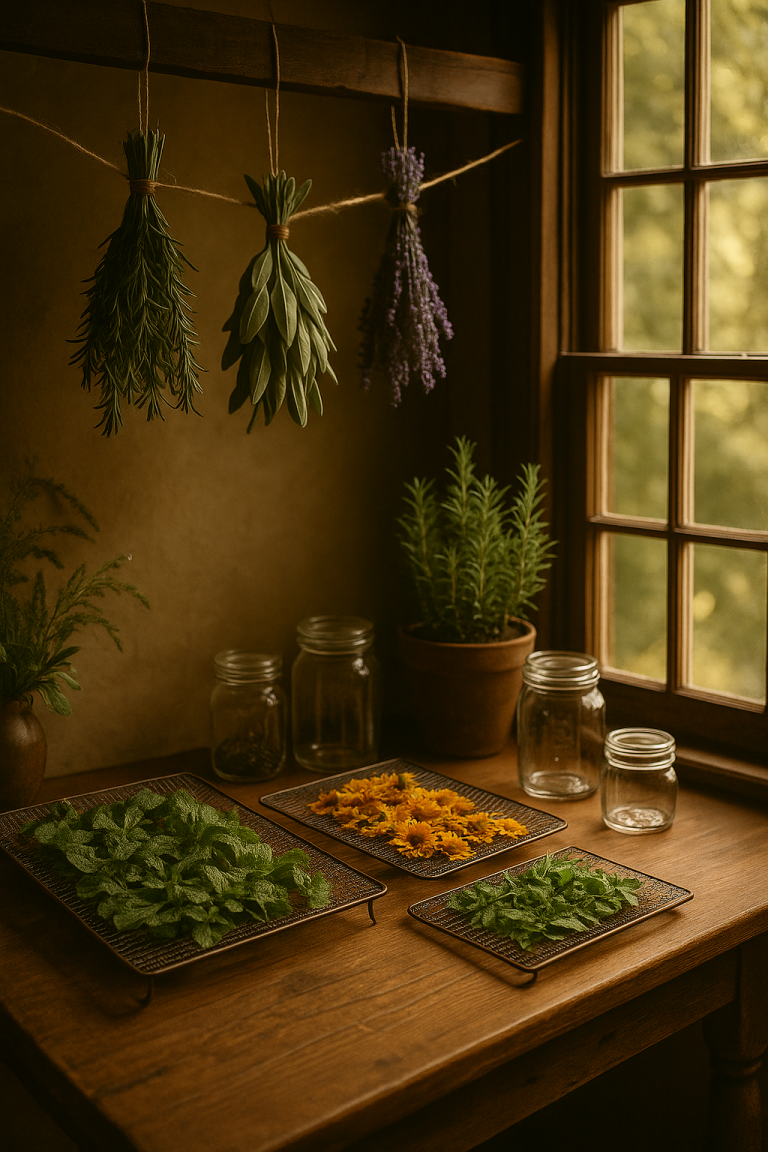
For the freshest flavors and most potent benefits, use high-quality, organic herbs. You can purchase dried herbs from reputable online retailers, local co-ops, or herbalists. If you grow your own herbs, harvest them in the morning once dew has dried, and store dried leaves in airtight containers away from sunlight.
Summer herbal tea is mostly a matter of choosing a flavor you like and preparing it safely. Brew a small batch first, refrigerate it promptly, and use fresh fruit or herbs before the pitcher turns into a science experiment.
Keep a few reliable combinations and adjust them instead of buying a dozen ingredients for one drink.