DIY Fire Starters: Homemade Options for Fireplaces and Fire Pits
Homemade fire starters are useful when you regularly light a fireplace, wood stove, or outdoor fire. Most versions use wax, paper, wood shavings, cardboard, or other dry materials that are already around the house.
The methods below have different burn times and mess levels, so choose one that fits the fire you are actually starting. The lamb-fat packets are included because I made them this winter and wanted a longer-burning option.
This post compares several common methods and includes the full lamb-fat packet recipe near the end.
This post contains affiliate links. As an Amazon Associate, I earn from qualifying purchases at no extra cost to you.
Why Make Your Own Fire Starters?
Homemade fire starters are:
- Affordable — you’re using what you already have
- Customizable — choose your own materials, scents, and burn time
- Low-waste — great for using up scraps (wood chips, dryer lint, candle ends)
- Safer — no harsh chemical accelerants
- Aesthetic — perfect for gifting, Yule baskets, or storing in a cozy hearth basket
Once you learn the basic components, you can mix and match materials to suit your home.
Most fire starters need only two things:
- Fuel (wax, fat, oils, cotton, wood fibers)
- Structure (paper, twine, citrus peel, pinecones, cups)
Everything else is optional.
The Best DIY Fire Starters You Can Make at Home
Below are four reliable favorites — all easy, all effective, all using ingredients you likely have access to.
1. Wax Cup Fire Starters (Clean and Classic)
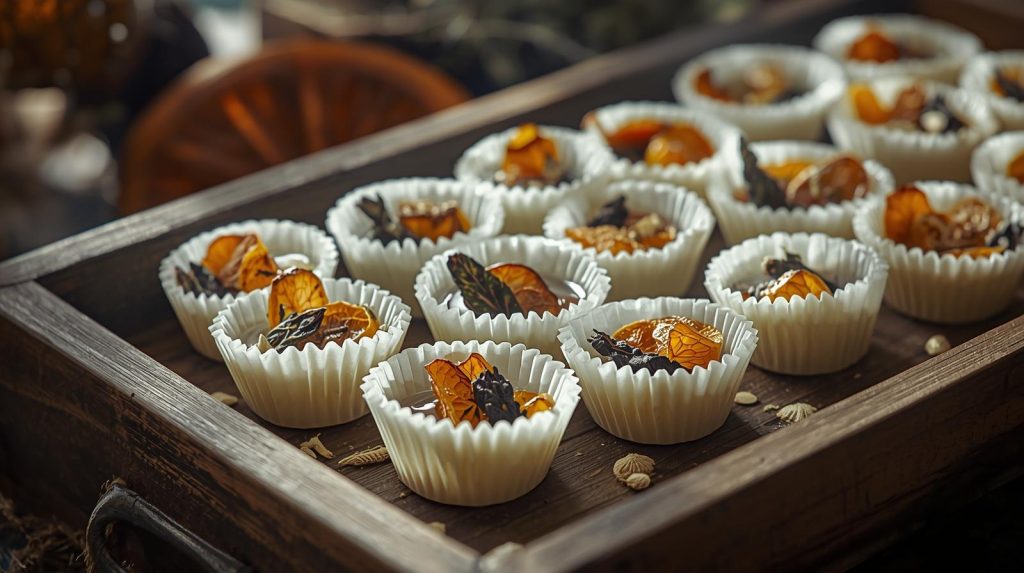
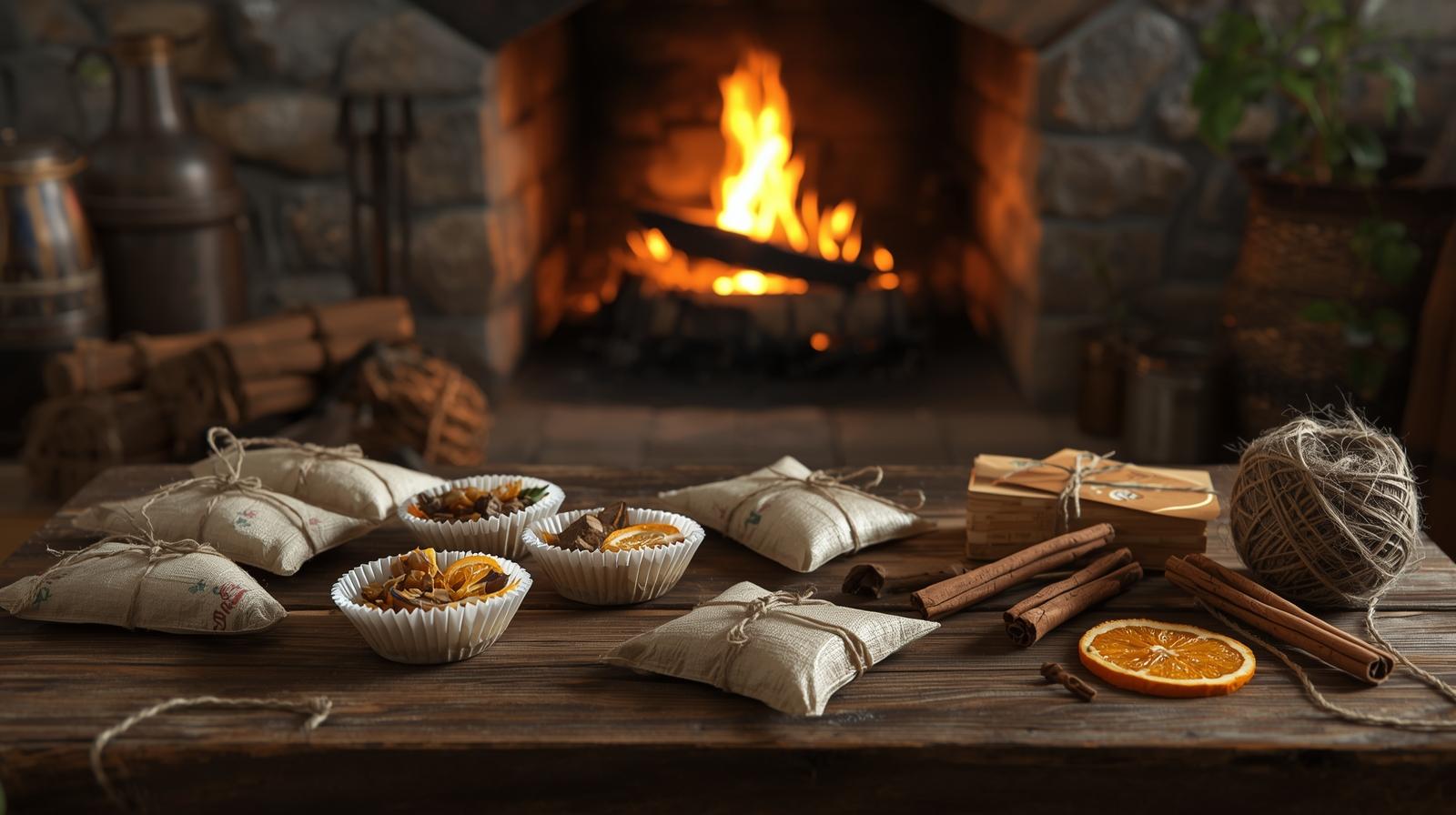
These are the fire starters most people picture: tidy little wax cups studded with herbs, wood shavings, or citrus.
You’ll Need
- Cupcake liners
- Melted wax (beeswax or soy wax both work well)
- Fillers such as wood shavings, dryer lint, crushed pine needles, or broken dried citrus
- Optional: twine for a wick
How to Make
- Set cupcake liners on a tray for stability.
- Add a small amount of dry filler — just enough to lightly fill the bottom.
- Melt wax and pour enough to saturate the material.
- Press in a small wick or leave as-is.
- Let cool completely.
What They’re Good For
- Clean, predictable burn
- Quick and easy to make in bulk
- Excellent for gifting
Burn Time
8–12 minutes.
2. Citrus & Twine Bundles (Fast Ignition Starters)
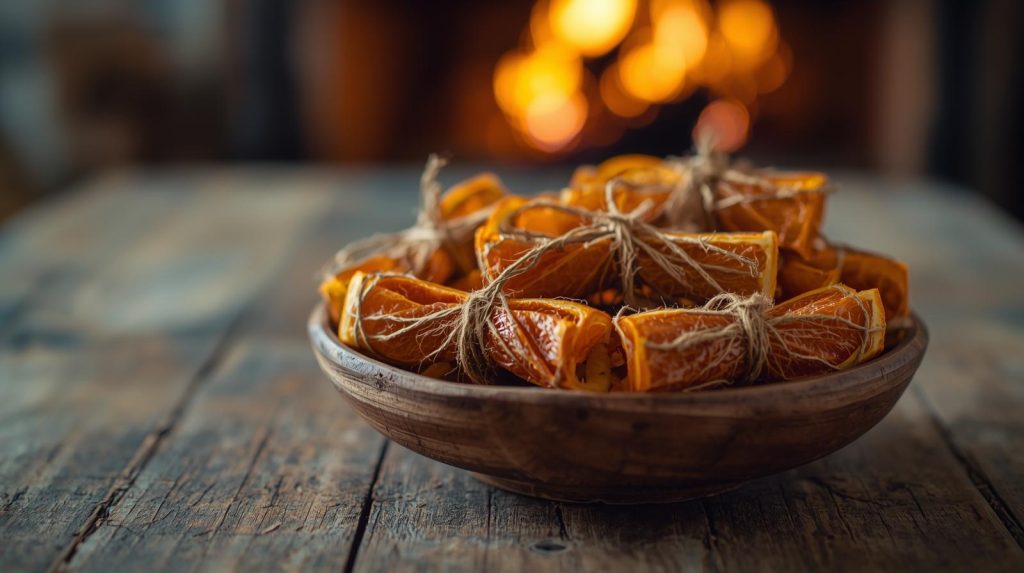
If you need a quick flame, citrus peel and twine work surprisingly well. These burn fast and hot — perfect for catching kindling.
You’ll Need
- Dried orange slices or strips of peel
- Twine
How to Make
- Fold or roll the citrus peel.
- Wrap tightly with twine.
- Tie securely.
What They’re Good For
- When you need a flame quickly
- Minimal supplies required
- Smell better than crumpled newspaper
Burn Time
3–5 minutes.
3. Paper Bag Fire Starter Blocks (Long, Steady Flame)
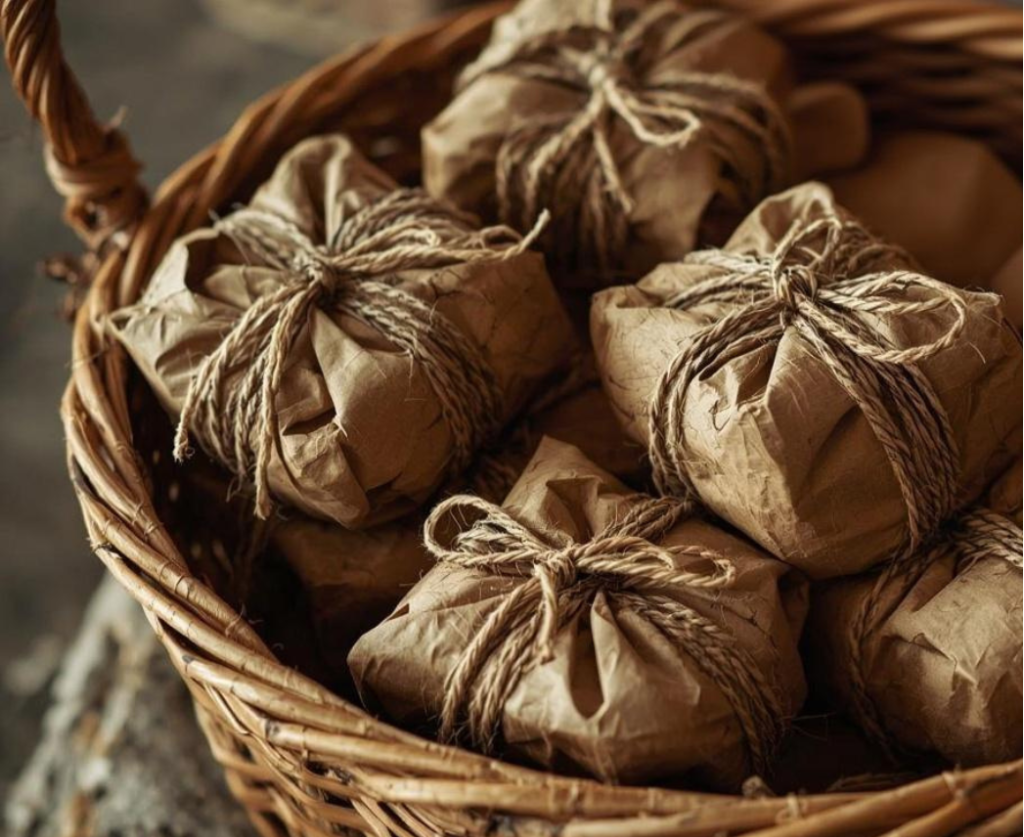
This option uses the humble paper lunch bag and whatever fat, wax, or wood scraps you have lying around. The result is a hearty little fire block.
You’ll Need
- Paper lunch bags (cut into quarters)
- A handful of wood chips or dry filler
- A dried orange slice (optional)
- Melted wax or softened animal fat
- Twine
How to Make
- Lay a quarter of a paper lunch bag flat.
- Add a small pile of wood chips.
- Drizzle with wax or press in softened fat.
- Fold tightly into a small block.
- Secure with twine.
Best Uses
- Outdoor fire pits
- Wood stoves
- When you want a slow, steady flame
Burn Time
10–25 minutes depending on whether you used wax or fat.
4. Lamb Fat DIY Fire Starters (My Full Method)
These were my winter experiment, and they turned out to be a reliable, long-burning option — rustic, simple, and surprisingly easy. They’re perfect when you want a firestarter that keeps the flame going long enough to catch larger logs.
Below is exactly how I made them step by step.
How I Made My Lamb Fat Fire Starters
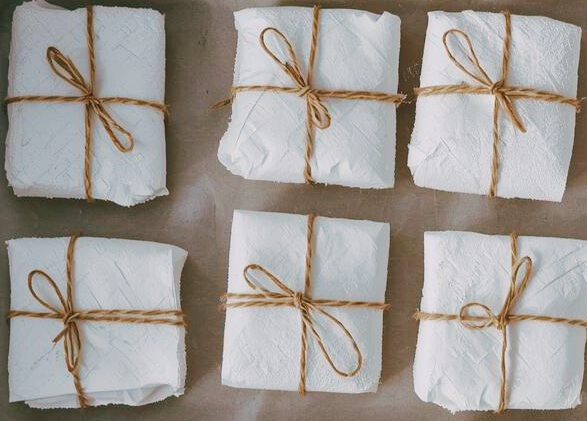
Ingredients
- Lamb fat (but any rendered animal fat should work)
- Dried orange slices
- Cinnamon sticks
- Paper towels (I used Brawny select-a-size, but any paper towel or rectangular paper square works)
- Twine
- Baking sheet
- Gallon freezer bag for storage
Step-by-Step Instructions
1. Melt the fat completely
Place your lamb fat in a pot and heat it gently until it becomes fully liquid.
You don’t want it screaming hot — just warm enough to melt.
I used lamb fat, but any rendered animal fat should work similarly.
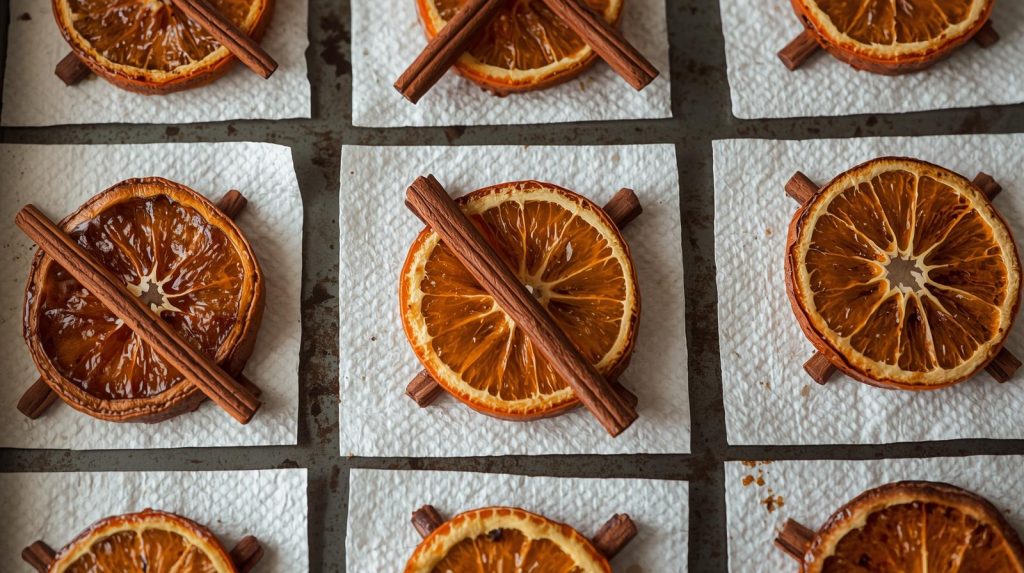
2. Coat the citrus and cinnamon
Drop in a few dried orange slices and pieces of cinnamon stick at a time.
Toss gently so they’re evenly coated in liquid fat.
3. Lay them out to cool slightly
Place each fat-coated piece onto a square of paper towel.
The fat will begin to firm as it cools, which helps with folding later.
Let them rest for a few minutes before shaping.
I used paper towels because that is what I had available and so they would absorb any excess fat, but brown paper bags might work better.
4. Form the fire starter packets
Once the fat is no longer hot:
- Gather the corners of the paper towel up around the coated contents.
- Pull the paper into a little bundle.
- Tie twine around it to hold the shape.
It doesn’t need to be perfect — rustic works beautifully here.
5. Freeze to fully solidify
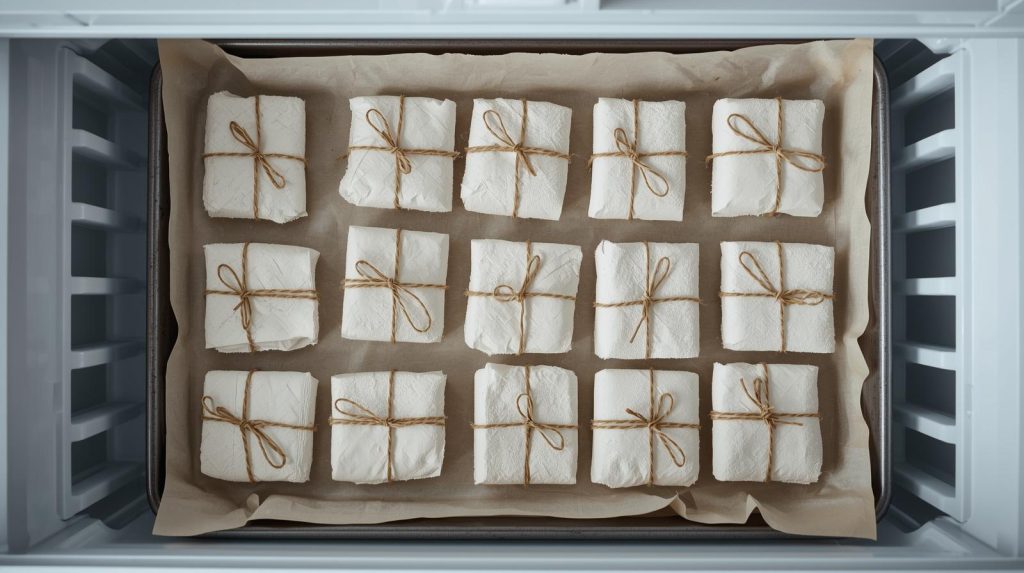
Lay the tied packets on a baking sheet.
Freeze for 30 minutes so the fat becomes fully solid and non-greasy.
6. Store in the freezer
I placed all of mine into a gallon-size freezer bag and returned them to the freezer for storage. Freezing is important — it makes them clean to handle and keeps fat from softening during storage.
This prevents melting, dripping, and any fat residue getting on shelves or baskets.
How to Use Them
To light:
- Place the packet on top of your kindling.
- Light the edge of the paper towel.
The towel burns slowly at first, but once the fat heats and the contents catch, the flame becomes steady. The citrus and cinnamon unfortunately didn’t add noticeable scent, but they still burned steadily.
Burn Time
Around 15 minutes each — plenty of time to ignite a good stack of kindling.
Despite the lack of scent, these were effective, long-burning, and incredibly easy to make.
Firestarter Tips & Safety Notes
- Use homemade firestarters sparingly – they’re meant to help your kindling catch, not replace it.
- Stick to dry, seasoned wood for the main fire. Damp or green wood smokes heavily and builds creosote.
- Keep anything that can burn at least 3 feet away from your fireplace or wood stove.
- Never leave a fire unattended. Always make sure it is completely out before going to bed or leaving the house.
- Dispose of cooled ashes in a metal container with a lid, stored outside and away from buildings.
- Have your chimney and flue inspected and cleaned regularly by a professional.
- When in doubt, follow your appliance manual and local fire codes over any DIY project instructions.
For more detailed guidance on safe fireplace and wood stove use, you can visit the U.S. Fire Administration’s home heating safety page .
DIY fire starters turn scraps into something practical. Make a small batch, test one in the fireplace, stove, or outdoor setup you actually use, and store the rest dry and away from heat.
If you’re making these as part of your family’s autumn preparation, they’re also one of the practical activities in our Mabon for Kids guide.
Different materials behave differently. The best option is the one that lights reliably without creating extra mess or encouraging anyone to ignore basic fire safety.