Natural Medicine Essentials: Quick-Start Guide to Herbalism for Beginners
Introduction: Why Herbalism, Why Now?
In a world overflowing with pharmaceuticals and quick fixes, many people are rediscovering the gentle yet powerful world of natural medicine. Herbalism—the art and science of using plants for wellness—has been practiced for thousands of years across cultures. Today, herbal remedies are making a comeback, not as a rejection of modern medicine, but as a way to take more ownership of personal health.
If you’ve been curious about working with herbs but don’t know where to begin, you’re in the right place. This beginner’s guide to herbalism will walk you through the foundations of natural medicine, from growing your own herbs to making your first remedies, with plenty of practical advice along the way.
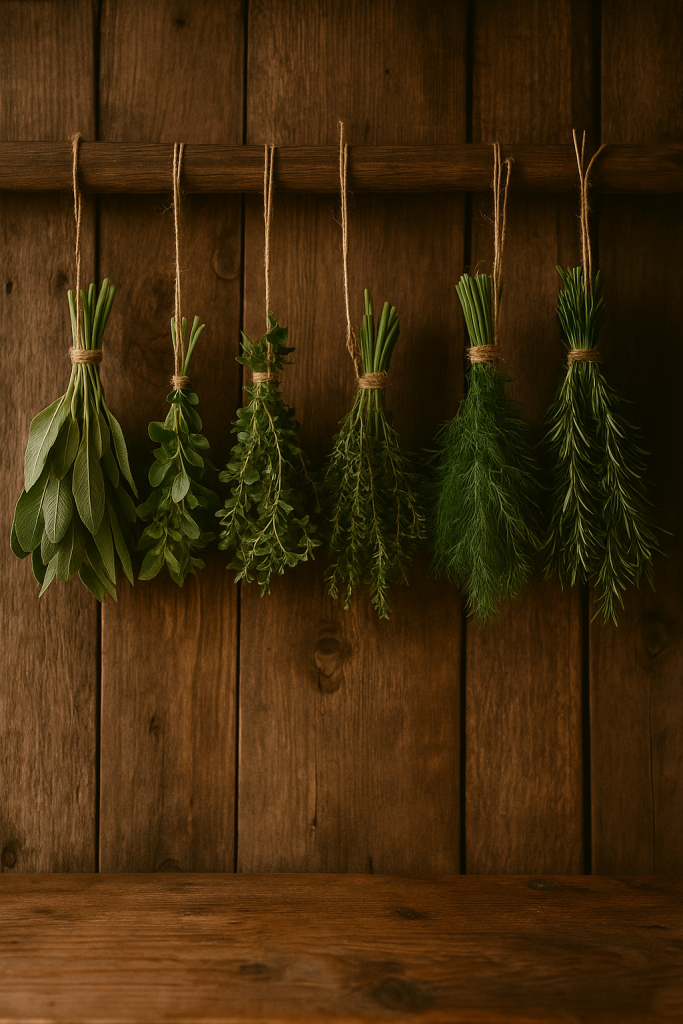
What Is Natural Medicine?
Natural medicine refers to healing practices that use plants, foods, and other natural substances to support the body. Unlike pharmaceuticals, which often isolate a single compound, herbal remedies rely on the synergy of whole plants.
Key Principles of Natural Medicine:
- Holistic approach — looking at the whole person, not just a symptom.
- Prevention first — herbs can support wellness before illness sets in.
- Gentle action — remedies often work slowly but steadily.
- Accessibility — many remedies can be made at home with common plants.
Herbalism for Beginners: Where to Start
Starting with herbalism doesn’t mean you need a degree or a full apothecary. A few jars, some herbs, and a willingness to experiment go a long way.
Step 1: Learn a Handful of Herbs
Instead of overwhelming yourself, start with 5–8 versatile herbs. Some good beginner choices include:
- Chamomile (calming tea, digestive aid)
- Peppermint (soothes nausea, cooling herb)
- Rosemary (memory, hair care, culinary uses — see Rosemary Herb Spotlight)
- Lavender (stress relief, skin care)
- Ginger (circulation, nausea, immune support)
- Calendula (skin healing, antifungal)
- Dandelion (detox, digestion — see Dandelion Benefits)
Step 2: Choose a Method of Use
Herbs can be used in many ways:
- Teas & infusions — the simplest starting point.
- Tinctures — concentrated extracts in alcohol or glycerin.
- Salves & oils — topical remedies for skin and muscle support.
- Food as medicine — cooking with herbs daily.
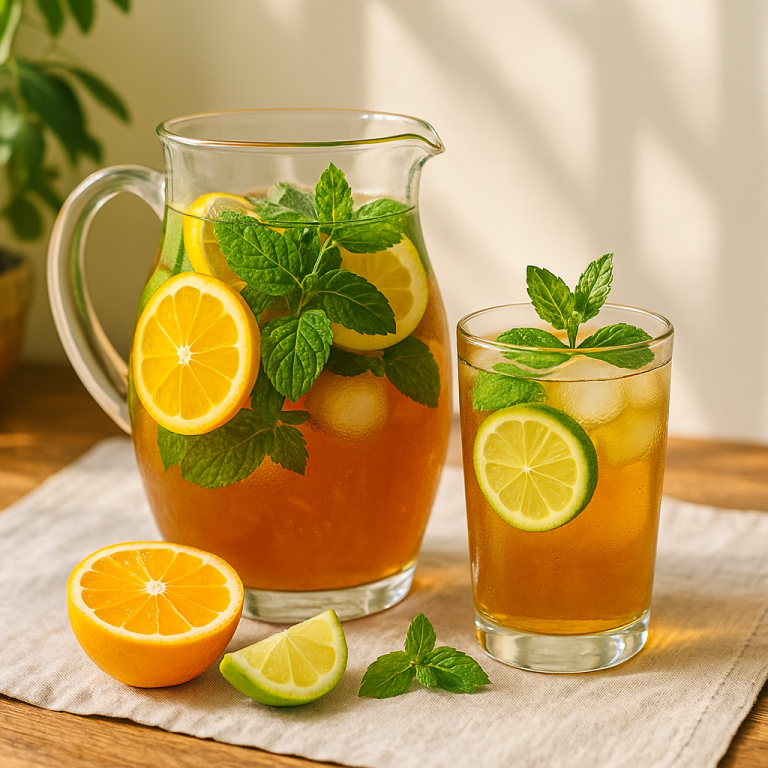
If you want to try something simple and soothing, see Herbal Teas for Summer.
Building Your Herbal Toolkit
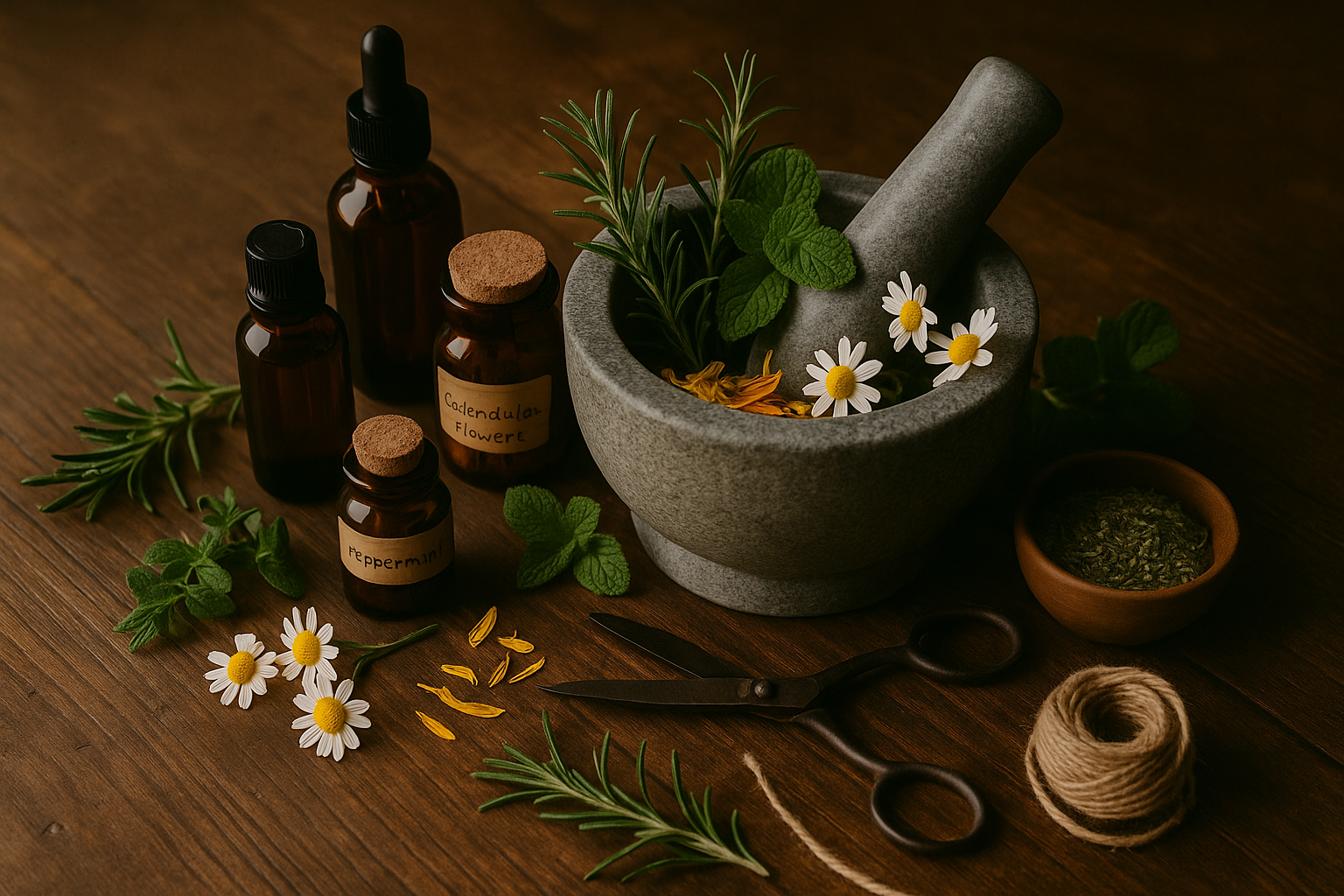
Every beginner herbalist needs a small toolkit of supplies. Luckily, most of these are inexpensive and easy to source.
Basic Tools:
- Mason jars or recycled glass jars with lids
- A fine strainer or cheesecloth
- A small funnel
- Dropper bottles (for tinctures)
- Labels and a marker
Optional but useful: mortar & pestle, scale, dehydrator for drying herbs.
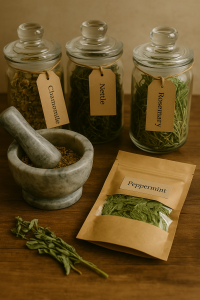
Stocking Your First Apothecary
You don’t need 100 herbs on hand—start with a few that match your personal needs. For example:
- Trouble sleeping? Chamomile and lavender.
- Skin issues? Calendula and tea tree.
- Digestive troubles? Peppermint, ginger, and dandelion root.
Growing vs. Buying Herbs
Many beginners ask: should I grow my own herbs or buy them? The answer is both.
- Grow: Herbs like mint, basil, rosemary, and chamomile thrive in small pots or garden beds. See How to Start a Beginner’s Herb Garden.
- Buy: Specialty herbs like neem, ashwagandha, or exotic roots are often easier to purchase. Look for organic, high-quality dried herbs from reputable suppliers. Mountain Rose Herbs is a very reputable, organic supplier.
How to Make Your First Herbal Remedies
Herbal Teas & Infusions
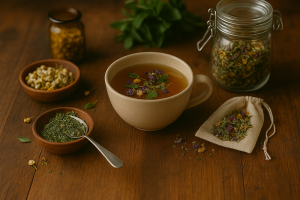
The most basic remedy. Pour boiling water over fresh or dried herbs, steep, strain, and drink.
Try: Chamomile + peppermint for digestion.
Herbal Oils & Salves
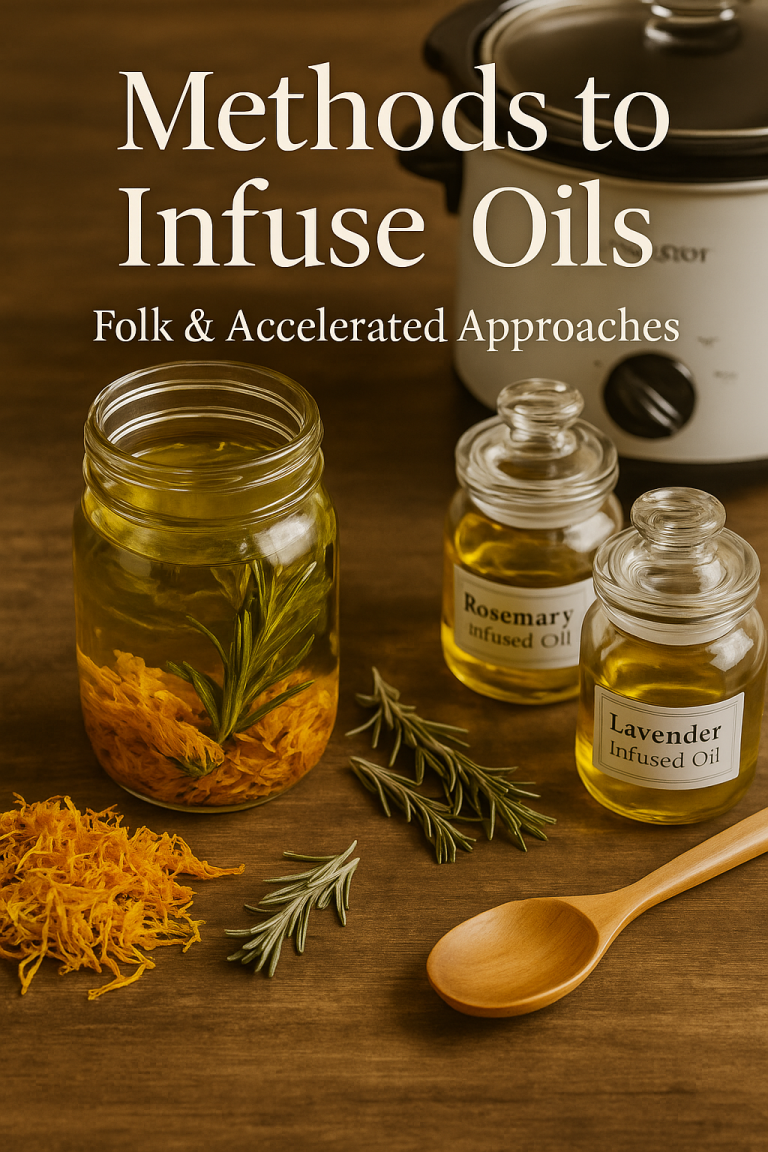
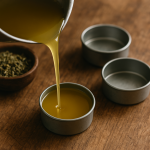
Infusing herbs in oil is an easy way to create remedies for skin and muscles. See How to Infuse Oils at Home.
Once strained, the oil can be used directly or combined with beeswax to make a salve.
Example Uses:
- Calendula oil for dry skin
- Rosemary oil for scalp massage
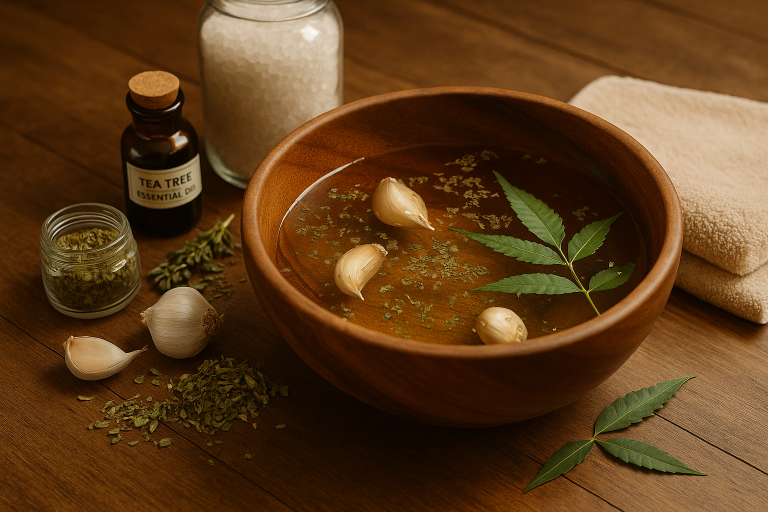
Related Post: Herbal Foot Soak for Nail & Skin Health
Tinctures
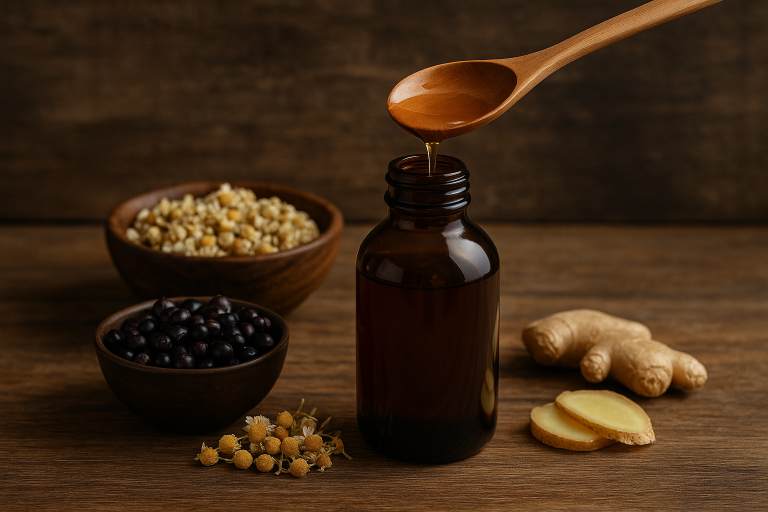
Herbs extracted in alcohol or glycerin create a powerful, shelf-stable remedy. While a little more involved, tinctures are a great next step for beginners.
Basic process:
- Fill a jar 1/3 full with dried herbs (or 2/3 with fresh).
- Cover with vodka or glycerin.
- Steep for 4–6 weeks, shaking occasionally.
- Strain and bottle.
Safety and Common Mistakes in Herbalism
While herbs are natural, “natural” doesn’t always mean “safe.”
Tips:
- Start small and monitor your body’s reaction.
- Always label jars and bottles clearly.
- Consult a doctor if you’re pregnant, nursing, or on medication.
- Avoid confusing herbal infusions with essential oils—see my note in How to Infuse Oils.
Integrating Herbalism Into Everyday Life
The best way to learn herbalism is by living with herbs daily:
- Drink herbal teas instead of sodas.
- Cook with fresh rosemary, thyme, and basil.
- Keep a salve or oil handy for skin irritations.
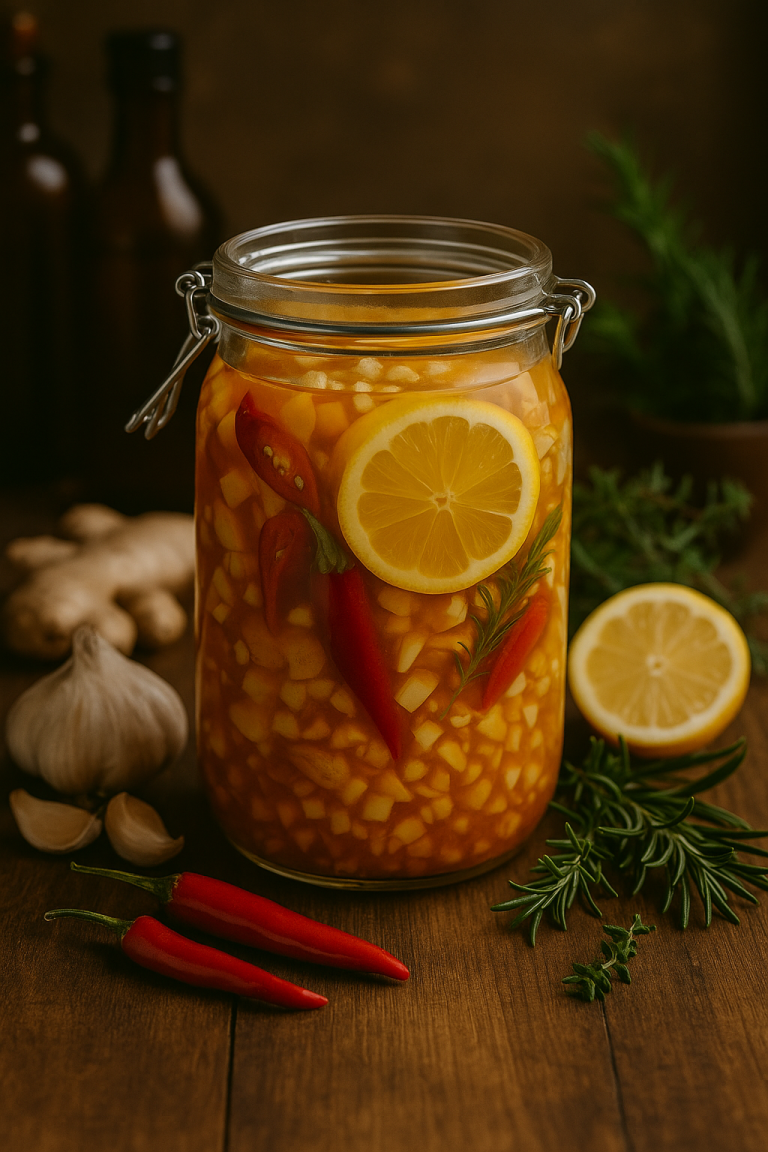
- Make seasonal remedies: try Fire Cider in fall and winter.
Herbalism & Seasonal Rhythms
Natural medicine is often most effective when aligned with the seasons.
- Spring: Cleansing herbs like nettle and dandelion.
- Summer: Cooling herbs like mint and hibiscus.
- Autumn: Immune support with garlic, rosemary, and fire cider.
- Winter: Warming herbs like cinnamon, ginger, and clove.
For deeper seasonal living, see Mabon Preparations: Autumn Equinox Crafts & Rituals.
Free & Low-cost Learning Resources
You don’t need to spend hundreds of dollars on courses to get started. Here are some ways to learn:
- Books: Rosemary Gladstar’s Medicinal Herbs: A Beginner’s Guide
- Online resources: Herbal Academy blog, Mountain Rose Herbs resources
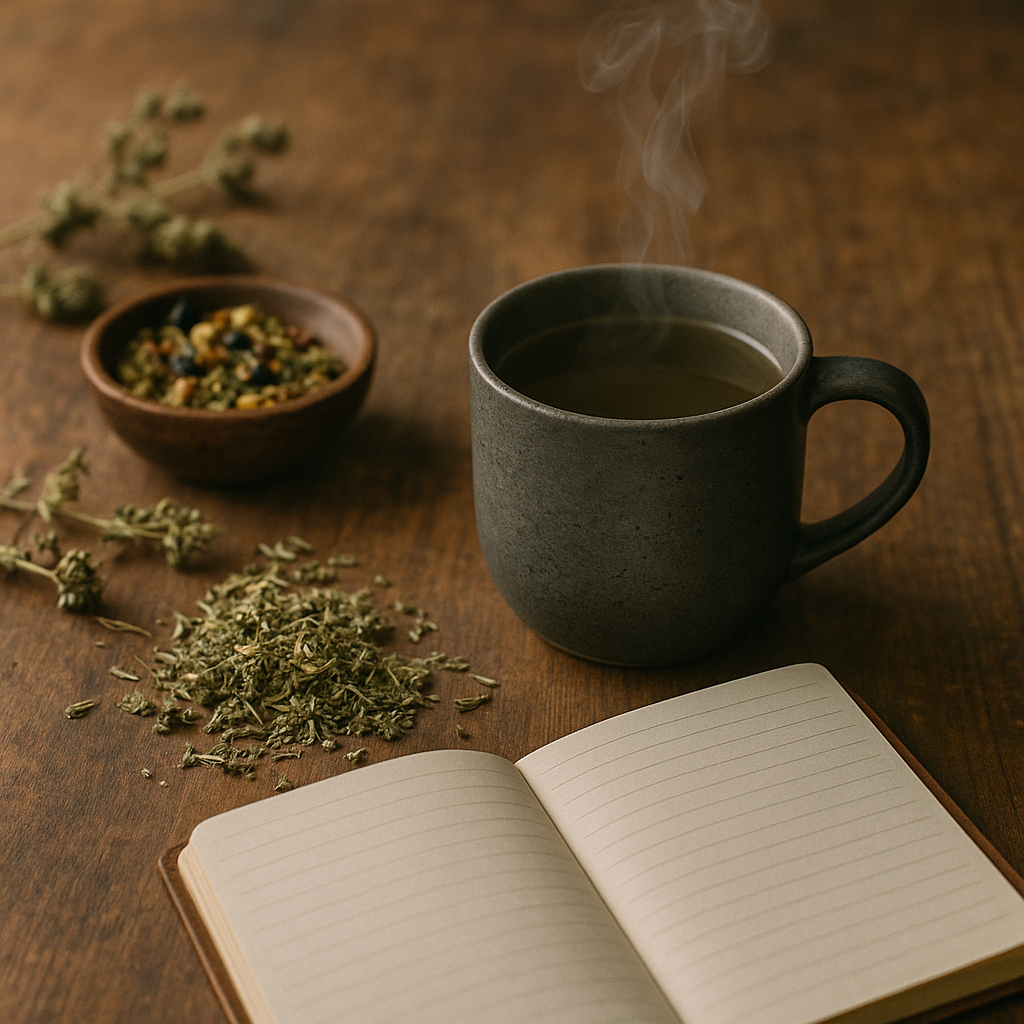
- Hands-on practice: Make a single herbal remedy each week and keep a simple journal.
Conclusion: Your First Steps Into Natural Medicine
Herbalism for beginners doesn’t need to be overwhelming. Start with a few herbs, learn how to brew teas or make a simple oil, and integrate plants into your daily life. Over time, you’ll build confidence, knowledge, and a deep relationship with natural medicine.
Remember: this journey is about connection—to the plants, the seasons, and yourself.