Mabon Preparations: Easy Crafts & Rituals for the Autumn Equinox
As summer fades and the air turns crisp, the Wheel of the Year turns once more to Mabon—the Autumn Equinox. This sabbat marks a time of balance, gratitude, and harvest. Day and night are nearly equal, symbolizing harmony between light and dark before we journey deeper into the darker half of the year.
For homesteaders, hearth witches, and anyone aligned with seasonal living, Mabon is an invitation to pause, reflect, and celebrate the abundance of the harvest season. You don’t need elaborate ceremonies to honor the equinox — simple crafts, rituals, and meals can help you connect with the rhythms of the earth.
If you’re celebrating with children, my Mabon for Kids guide has family-friendly explanations, activities, meal ideas, and a simple ritual that can survive real attention spans.
What is Mabon?
Mabon is observed around the September equinox in the Northern Hemisphere, usually between September 21 and 23. In the Southern Hemisphere, the corresponding autumn equinox falls around March 20–23. Because the exact date and time shift slightly each year, check the Hearth & Hedge moon and seasonal calendar when planning your celebration. The name Mabon is modern: Aidan Kelly applied it to the autumn equinox in the 1970s while developing a modern Pagan calendar, as he explains in his account of naming Mabon. Within the modern Wheel of the Year, it is commonly treated as the second of three harvest festivals, between Lughnasadh and Samhain.
At its core, Mabon is about:
- Balance – Day and night are nearly equal in length.
- Gratitude – Acknowledging the harvest and blessings of the year.
- Transition – Preparing for the descent into winter.
Some modern witches informally describe Mabon as a “Witch’s Thanksgiving” because of its focus on harvest, gratitude, feasting, and giving back. For the astronomy and timing, see the Old Farmer’s Almanac guide to the autumn equinox.
Symbols and Correspondences of Mabon
- Colors: Deep red, orange, gold, brown, dark green
- Herbs & Plants: Apples, corn, sage, rosemary, cinnamon, oak leaves, pinecones
- Foods: Apples, squash, nuts, grains, cider, wine
- Crystals: Citrine, amber, carnelian, smoky quartz
- Deities (optional): Demeter or Ceres for grain and agriculture, Dionysus for grapes and wine, Pomona for orchards and fruit, and Persephone for seasonal transition and descent
These are examples some modern practitioners choose based on seasonal symbolism; Mabon does not have one required pantheon. Bringing these into your crafts, altar, or feast can help anchor your practice in the season.
Easy Crafts for Mabon
You don’t need to be a skilled crafter to create beautiful seasonal pieces. Here are a few ideas that blend practicality with seasonal symbolism:
1. Harvest Wreath
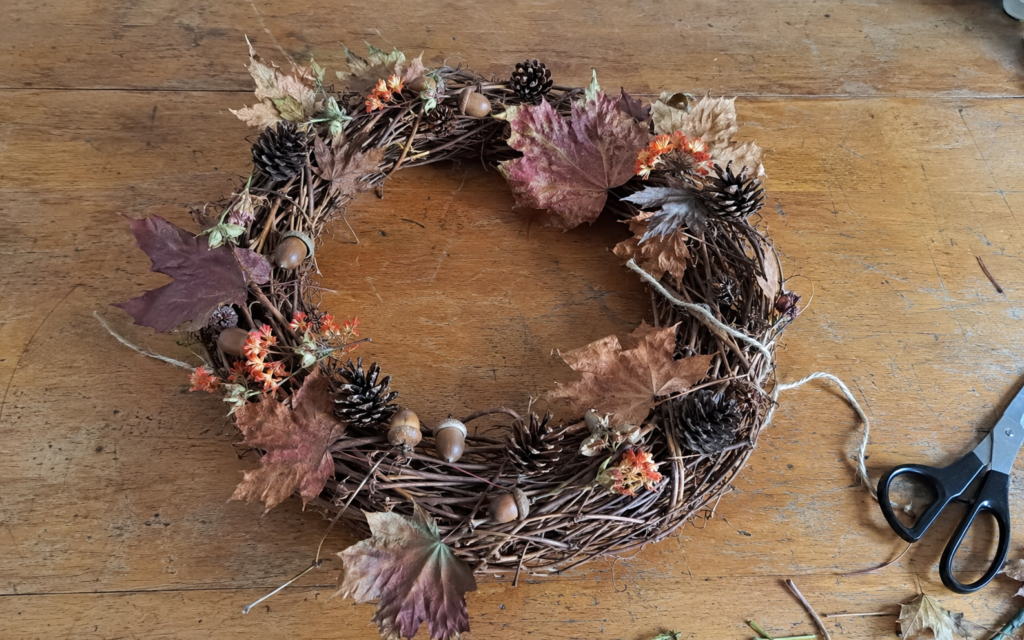
Wreaths are a classic way to celebrate the cycles of nature. At Mabon, the Autumn Equinox, a harvest wreath symbolizes both abundance and the turning of the year. Hanging one on your door, placing it on your altar, or using it as a centerpiece invites balance, gratitude, and seasonal blessings into your home.
Materials You’ll Need
- A wreath base (grapevine, willow, or straw are traditional)
- Dried leaves in warm autumn colors
- Dried apple slices, cinnamon sticks, or star anise pods
- Acorns, pinecones, or small gourds
- Seasonal herbs such as rosemary, sage, or bay
- Ribbon or twine in autumn colors (deep red, gold, brown, or green)
- Hot glue gun or floral wire
Step-by-Step Instructions
1. Choose Your Base
Start with a natural wreath base—grapevine is especially easy to work with and looks rustic on its own. This forms the circle of the year, symbolizing cycles of growth, harvest, and renewal.
2. Add Foliage and Greenery
Tuck dried leaves and sprigs of evergreen or herbs into the wreath base. Secure them with floral wire or glue. Layering in greens and reds first creates a backdrop for your more decorative items.
3. Incorporate Harvest Symbols
Attach apple slices, acorns, pinecones, or cinnamon sticks. Each carries meaning: apples for wisdom and abundance, acorns for potential, pinecones for protection, cinnamon for warmth.
4. Add a Seasonal Ribbon
Tie a bow or loop of ribbon at the top or bottom of your wreath. Deep gold and burgundy add a traditional autumn touch, while forest green or brown keep it grounded and earthy.
5. Charge with Intention
Once complete, hold the wreath in your hands and focus on gratitude for the season’s blessings. Speak aloud an intention for balance, prosperity, or protection. Hang it on your door, wall, or altar to bless your home.
Magical Uses for Your Wreath
- Door Protection: Hang at your front door to welcome positive energy and ward off negativity.
- Altar Decor: Place on or behind your altar as a seasonal focal point.
- Table Centerpiece: Lay flat with a candle or bowl of fruit in the center for a festive Mabon table.
2. Corn Husk Dolls
Corn husk dolls are a traditional harvest craft often associated with autumn celebrations and seasonal decorating. They’re simple to make, use inexpensive natural materials, and work well for both altar decor and family craft projects during the harvest season.
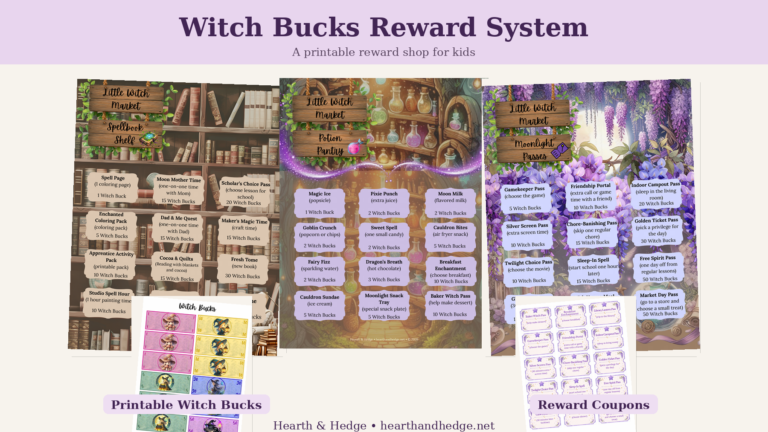
If your kids are more motivated when they have something concrete to work toward, my Witch Bucks printable reward system can also be used for optional projects, extra household jobs, and other beyond-the-routine work.
What You’ll Need
- Dried corn husks
- Warm water
- Twine or string
- Scissors
Optional:
- Ribbon
- Dried herbs
- Scrap fabric
- Yarn
How to Make Corn Husk Dolls
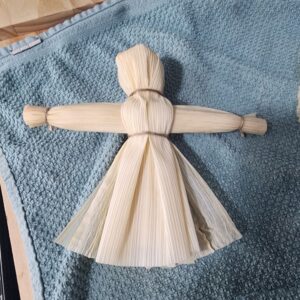
1. Soak the Husks
Place the corn husks in warm water for about 15–20 minutes, until they are soft and flexible. This helps prevent cracking while folding and tying.
2. Form the Head
Layer about four husks together and pinch them an inch or so from the top. Tie a piece of twine tightly around the pinched section.
Carefully fold the husks backward over the knot one at a time, spreading the parts closest to the knot to start shaping your head. Tie tightly beneath the rounded section to create the head.
One method I’ve seen suggested is lightly stuffing the head before tying it off, which can help the dolls keep their shape once dry. I did not use this method, so my dolls’ heads are not perfectly round.
3. Add the Arms
Lay out two new husks on top of each other. The top husk should be lying opposite the bottom so that the wide end is lying over the narrow end of the first one. Roll a husk tightly into a tube shape and slide it beneath the head section. Tie the main doll body beneath the tube to create your torso.
Tie both ends of the tube to create the arms. If they are too long or uneven, trim them with scissors.
4. Shape the Body
Separate the lower husks into sections to create either a skirt or legs. If you’re making the skirt version, wad up a paper towel and use it to support the skirt so the doll can stand. You may need to trim the bottom so it stands evenly. Extra husks can be layered in to create fuller skirts, aprons, shirts, or bonnets.
The dolls will stiffen slightly as they dry, so tighter knots usually hold up better long-term.
Display Ideas
- Seasonal altar decor
- Autumn table decorations
- Hanging near entryways
- Harvest festival displays
- Handmade keepsakes
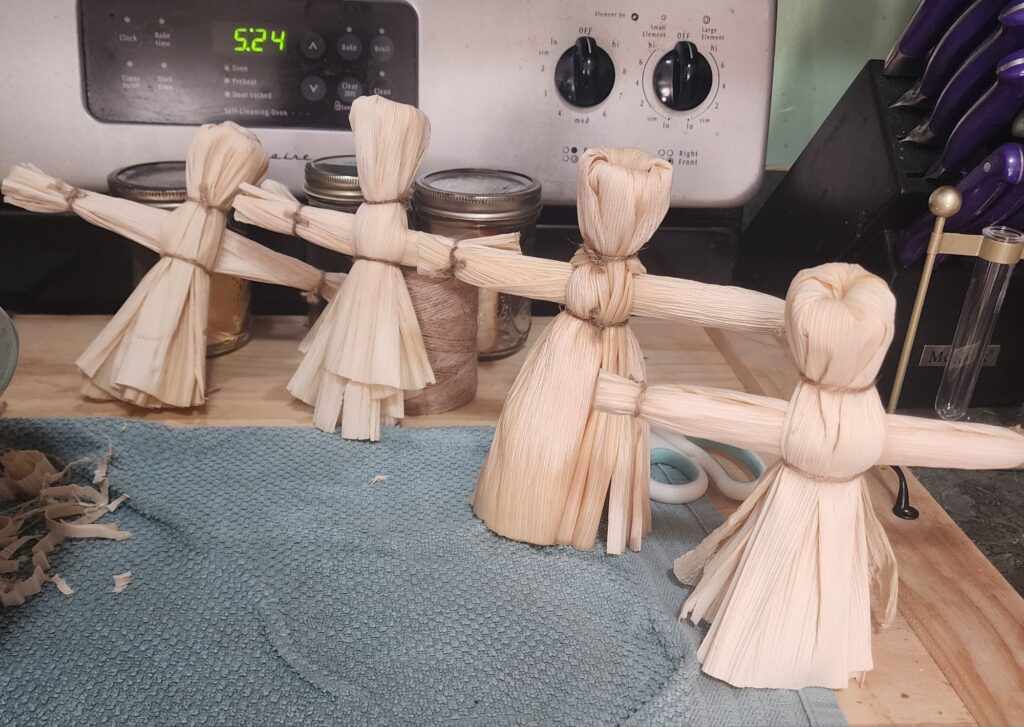
We left ours standing upright on the stove overnight to dry, which actually worked surprisingly well.
This longer tutorial explains each step clearly. The creator also shares the story of the Cherokee corn husk doll and why it traditionally has no face.
3. Create a Simple Mabon Prosperity Altar
Once the corn husk dolls were finished, I used one as the focal point of a simple prosperity altar. It was an easy way to carry the harvest theme into the rest of my Mabon preparations without making another separate craft.
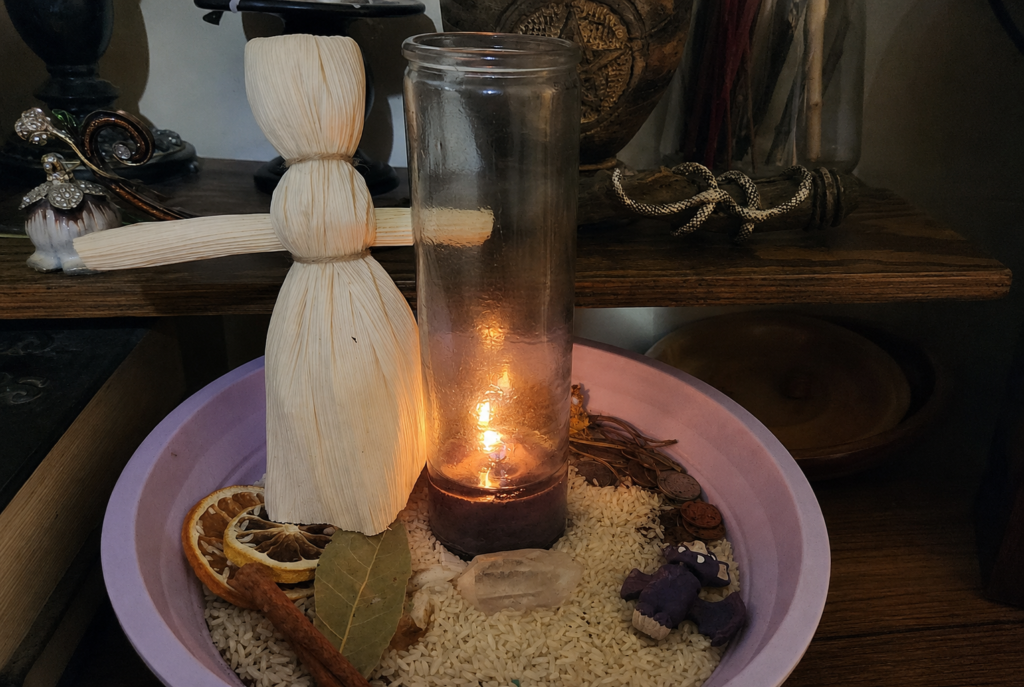
I filled a shallow bowl with rice as a base, then arranged the doll beside a candle with dried orange slices, cinnamon, bay leaves, a clear stone, coins, and herbs. Each piece represented some form of abundance, warmth, protection, or a well-stocked home.
You can build yours from whatever you already have. Start with a bowl, tray, or cloth; add a candle and one seasonal focal point; then surround it with a few ingredients or objects that represent prosperity to you. There is no required layout—the point is to create a small place to recognize what you have and welcome continued abundance through the colder months.
Candle note: Keep dried herbs, husks, paper, and other flammable decorations well away from the flame, or use an LED candle if the arrangement will be left unattended.
4. Gratitude Jar
Mabon is the season of balance and thanksgiving, making a gratitude jar a meaningful, family-friendly craft. Each person writes what they’re thankful for on slips of paper and adds them to the jar. At your Mabon feast, you can read them aloud, or continue adding to the jar all season long.
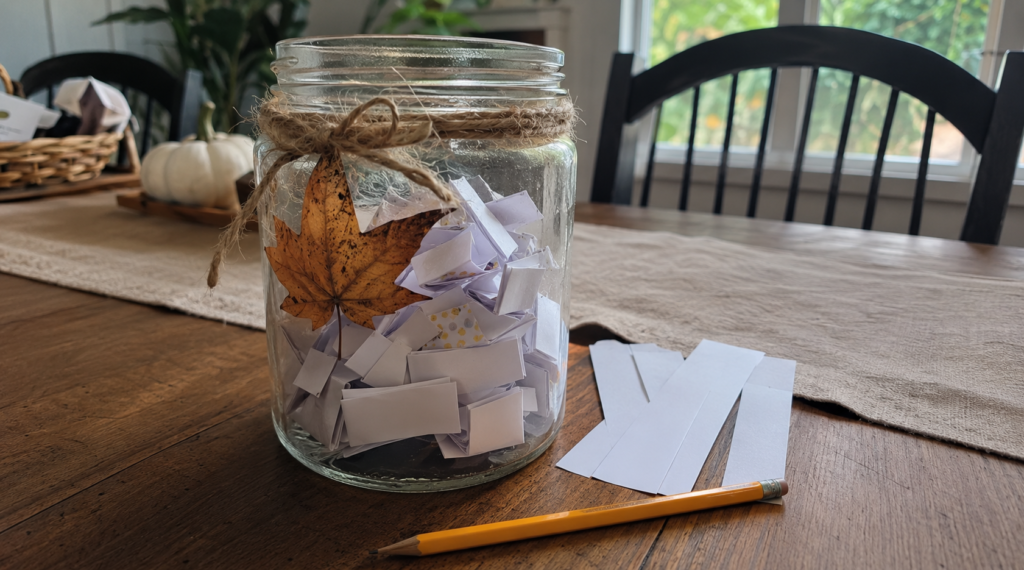
How-to:
- Use any jar you like—a mason jar, recycled jar, or decorative container.
- Decorate with twine, pressed leaves, autumn stickers, or a ribbon in fall colors.
- Cut small strips of paper to keep beside the jar, encouraging regular use.
Use: Keep the jar on your altar, dining table, or a central spot in your home where everyone can contribute.
Magical touch: Add a few dried herbs such as sage, cinnamon, or cloves into the jar to energetically “preserve” your blessings.
5. Herbal Sachets
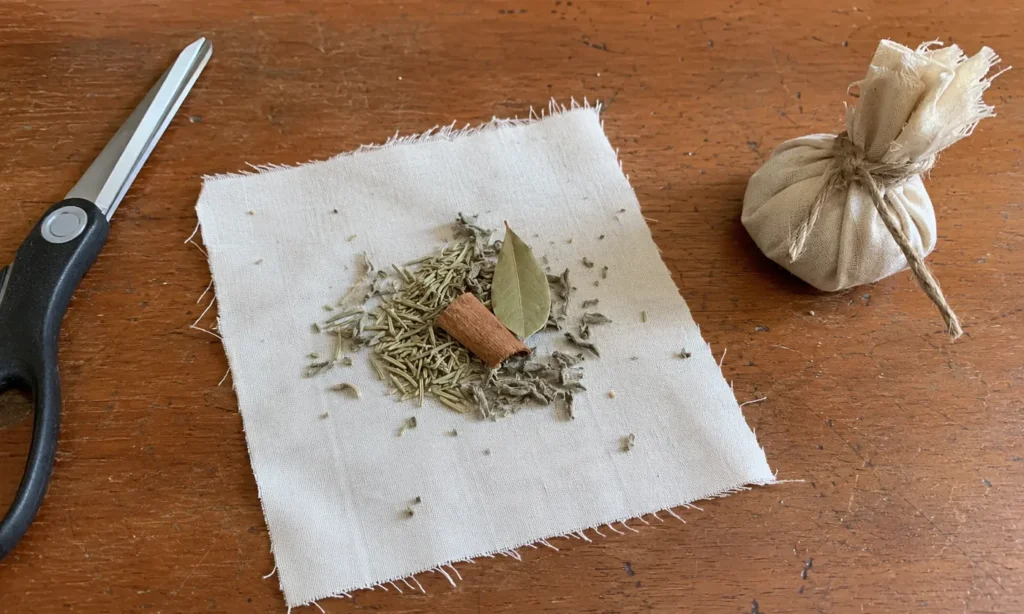
Herbal sachets are a simple way to carry Mabon’s blessings with you. They can be tucked into drawers, closets, or under pillows, bringing fragrance and magic into everyday life.
How-to:
- Select herbs associated with the season—rosemary (remembrance), sage (cleansing), cinnamon (warmth), and bay (protection).
- Fill a small cloth pouch or square of fabric with the herbs.
- Tie closed with twine or ribbon.
Use: Place in drawers to scent clothing, hang in closets to protect, or slip under your pillow to invite peaceful dreams.
Magical touch: Write a small intention or blessing on a piece of paper and tuck it into the sachet with the herbs.
Rituals to Honor the Autumn Equinox
Ritual doesn’t have to mean complicated tools or long scripts. At Mabon—the Autumn Equinox—day and night are nearly equal, offering a natural reminder to pause, reflect, and give thanks. The following rituals are simple, seasonal ways to honor this turning of the wheel.
1. Gratitude Feast
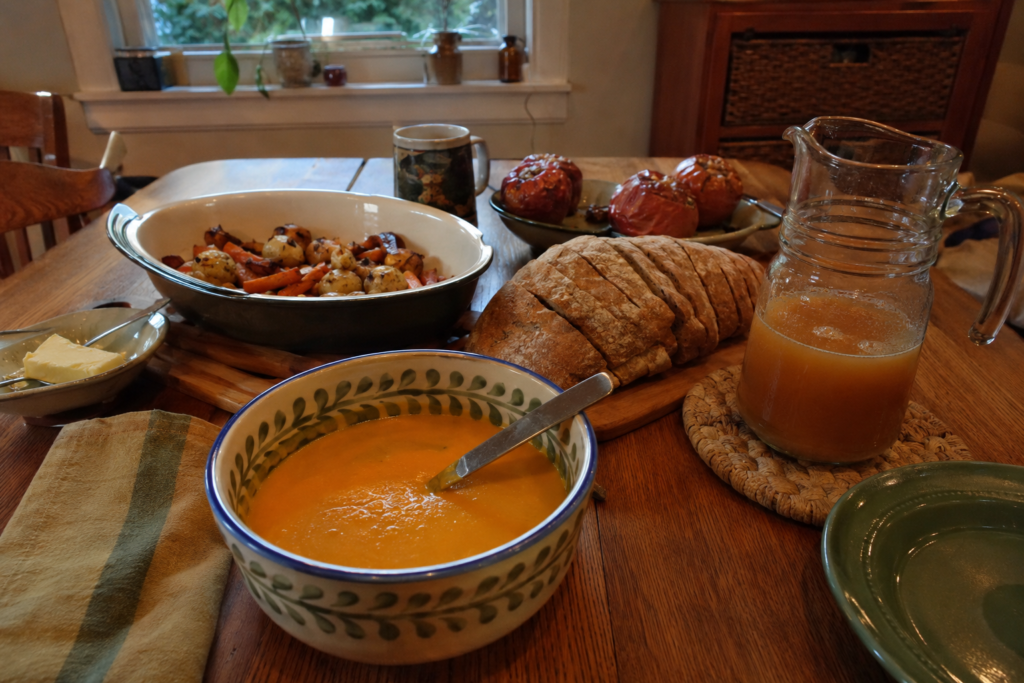
Celebrate Mabon with a meal of seasonal foods—roasted squash, apples, cranberries, or root vegetables. As you prepare your food, take a moment to honor the journey of each ingredient: the soil that nourished it, the farmers who harvested it, and the season that ripened it.
Before eating, speak your gratitude aloud or invite each person at the table to share something they’re thankful for. If you’re alone, write your blessings in a journal and then enjoy your meal mindfully. This feast becomes a ritual of nourishment, connection, and gratitude.
2. Candle Ritual for Balance
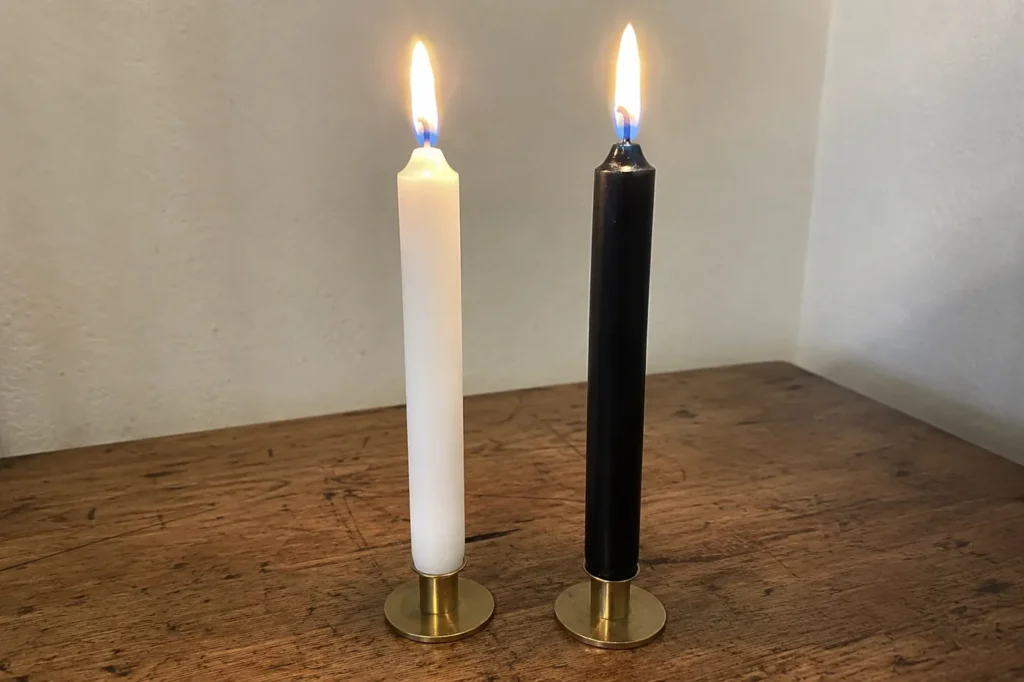
Light one white candle to symbolize the daylight, and one black candle to represent the night. Place them side by side and allow them to burn for the same amount of time. As the flames flicker, meditate on the near-balance of light and dark around the equinox. You may wish to speak intentions aloud, such as “I welcome balance into my life.” When you’re finished, extinguish the candles and save the leftover wax. I keep a jar of wax scraps to melt down for future candles, so the remains become part of another working instead of being thrown away.
3. Nature Walk & Offering
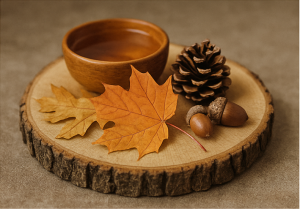
Take a slow, mindful walk in a nearby forest, park, or even your backyard. Notice fallen leaves, acorns, or pinecones, and check local rules before taking anything home. Pay attention to the shifting colors, cooler air, and other signs of the season changing.
Close the walk with a leave-no-trace offering: pick up a little litter, pour a small amount of plain water onto the soil, or simply pause beside a tree and say thank you. Avoid leaving food or placing anything in streams, where even well-meant offerings can disturb wildlife or pollute the water.
4. Release Ritual
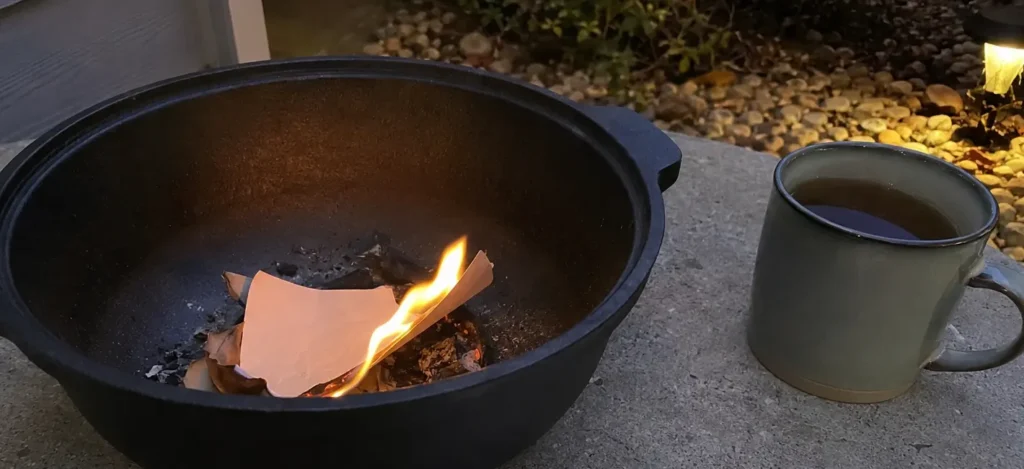
Mabon marks the transition into the darker half of the year, making it the perfect time to release what no longer serves you. Write down habits, fears, or burdens on small slips of paper. Place them in a fire-safe bowl or cauldron and burn them while focusing on letting go.
When the ashes are cool, scatter them in the wind, bury them in the soil, or release them into a flowing stream. To close the ritual, sip a warm seasonal tea—apple spice, cinnamon, or chamomile—and imagine yourself filling the empty space with peace and strength.
This works especially well when timed with the waning moon. You can find guidance in my Waning Moon Rituals guide.
Mabon Feast Ideas
A Mabon feast does not need to be elaborate. I usually think in terms of familiar autumn foods made with whatever is already in season or available at home. A simple meal can feel celebratory when everyone helps prepare it or you take a moment to appreciate where the food came from.
- Apple crisp or baked apples – An easy way to use the season’s apple harvest and bring something warm and sweet to the table.
- Butternut squash soup – Cozy, filling, and well suited to a cool autumn evening.
- Fresh bread – Homemade or store-bought both work. Serve it warm with butter, honey, or preserves.
- Roasted root vegetables – Potatoes, carrots, onions, beets, or whatever you have on hand make a practical harvest-season side.
- Apple cider or spiced wine – A warm drink makes even a small meal feel more like an occasion. Spiced apple juice works well for children and anyone avoiding alcohol.
You can make one dish or put together a full meal. The point is to enjoy the harvest and share what you have, not to create an elaborate feast for the sake of appearances.
For more ways to bring intention into an ordinary meal, see Kitchen Witchery: Everyday Meals as Ritual.
Setting Up a Mabon Altar
Altars don’t need to be large or elaborate. Consider including:
- Apples, squash, or gourds
- Seasonal flowers or dried herbs
- Candles in autumn colors
- Pinecones, acorns, or oak leaves
- A gratitude jar or harvest wreath
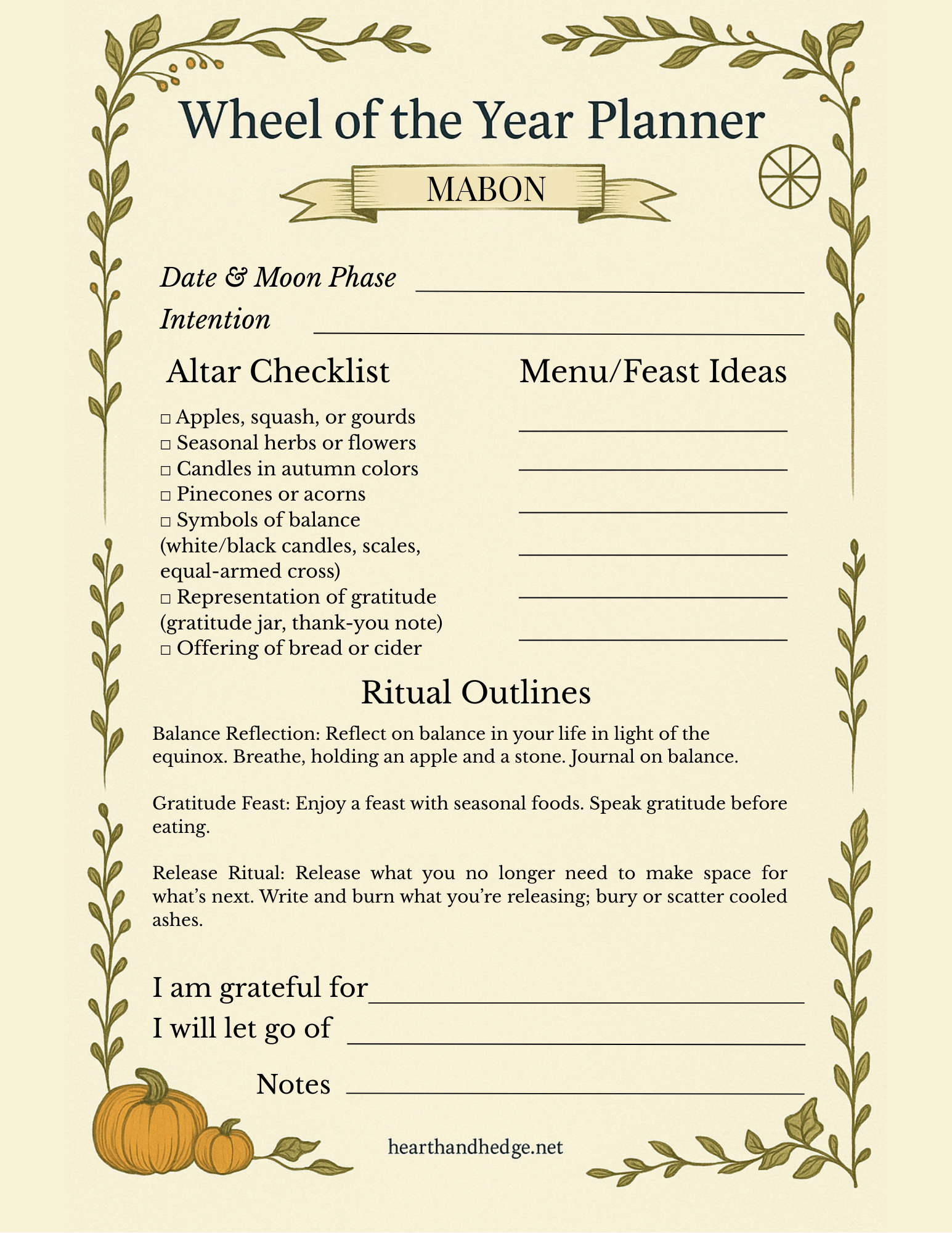
If you’d like a simple printable to guide your setup, check out my Mabon Ritual Planner Page, which includes an altar checklist and three easy ritual outlines.
Bringing Mabon Into Daily Life
Not everyone can host a full feast or build a seasonal altar. You can still bring Mabon energy into your everyday life by:
- Drinking apple cider or tea made with autumn herbs (see my Moon Tea Recipes for inspiration).
- Journaling three things you’re grateful for.
- Baking bread and sharing it with a friend or neighbor.
- Decorating with natural, seasonal elements like leaves or dried herbs.
Mabon is a celebration of harvest, balance, and gratitude. Whether you honor it with a simple candle ritual, a gratitude feast, or a handmade wreath, the heart of the season is about recognizing the blessings you’ve received and preparing for the months ahead.
As the light and dark stand in balance, take a moment to reflect on your own life — and how you might carry that harmony forward into the coming season.
If you’d like more ways to celebrate, explore my guides to New Moon Rituals for Beginners and How to Make Moon Water for seasonal practices that flow through the rest of the year.