10 Herbal Teas for Cold and Flu Season

Why Herbal Teas Belong in Your Cold & Flu Season Toolkit
When someone in the house gets sick, I don’t reach for anything complicated—I usually start with a simple tea.
Over time, a few herbs have stood out as actually helpful for things like coughs, sore throats, and congestion. Not every tea works for every symptom, though, and knowing what to use (and when) makes a big difference.
Below are the teas I come back to during cold and flu season, along with the symptoms they are commonly used for and the safety points that matter.
Herbal teas don’t replace medical care but they can be a safe, supportive ritual that helps you heal and feel better.
A Quick Safety Note
Herbs are active ingredients, and the right preparation and amount can vary by person. If you are pregnant, breastfeeding, choosing tea for a child, managing a health condition, or taking medication, confirm that the specific herb and preparation are appropriate for you.
Tea can support comfort and hydration, but it should not delay medical care. Seek care for trouble breathing, dehydration, confusion, severe weakness, chest pain, a concerning or persistent fever, worsening symptoms, or illness in someone at higher risk of complications.
Top 10 Best Herbal Teas for Cold & Flu Season
When cold and flu season rolls around, I usually keep a few basic herbs on hand. Not everything works for every symptom, but having a small rotation makes it easier to know what to reach for.
These are the teas I tend to use most, depending on what’s going on—cough, congestion, sore throat, or just needing to rest.
Whether you’re fighting off the first signs of a virus or recovering from lingering symptoms, these ten herbal teas offer natural remedies for colds and flu. From calming chamomile to immune-boosting elderberry, each one brings its own healing properties to the table.
Below, you’ll find the top 10 best herbal teas for cold and flu season, complete with benefits, preparation tips, and safety notes.
1. Chamomile Tea – For Rest, Relaxation & Fever Support
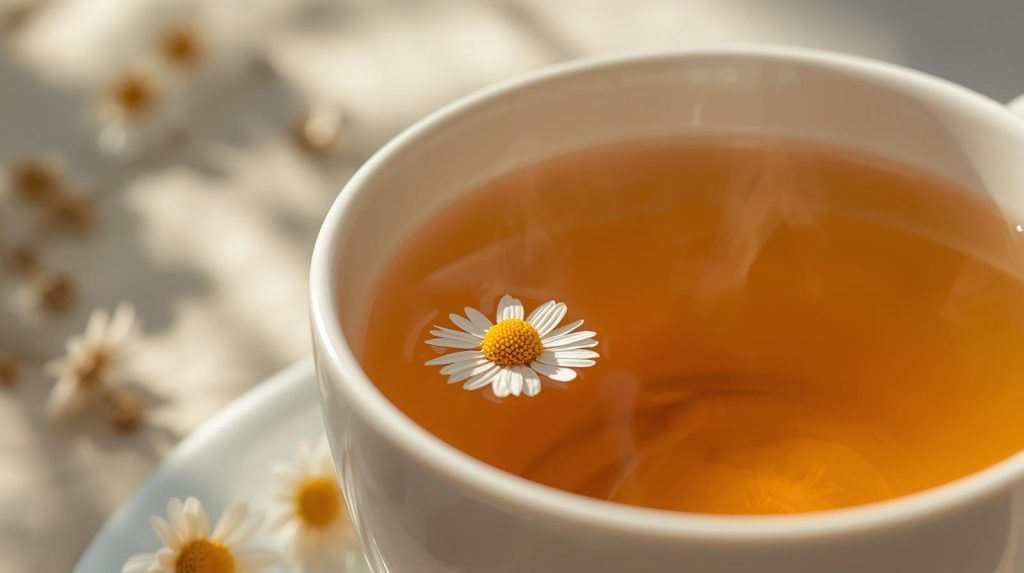
Chamomile has been used for centuries as a gentle relaxant. When you’re dealing with a cold or flu, rest is one of the most powerful remedies, and chamomile tea helps you unwind enough to actually sleep. Its mild anti-inflammatory properties may help soothe a sore throat, and the warm tea can feel especially comforting when you’re feverish. The floral flavor is light and calming, making it easy to drink several times a day.
This is one I end up using the most because the flavor isn’t overpowering. It’s easy to get everyone to actually drink it, especially with a little honey. When the kids are sick, this is usually the one they’ll accept without much pushback, and if nothing else, it helps them settle down enough to rest.
How to use: Steep 1 tablespoon dried chamomile flowers in hot water for 10 minutes. Sip warm before bed or whenever you need to relax.
Tip: Drink a cup before bed to encourage restful sleep and give your body time to recover.
Chamomile has so many uses beyond bedtime tea. It’s one of the most versatile herbs for both health and magic, from easing digestion to calming the mind. I cover its history, remedies, and even a few recipes in my deep dive: Herb Spotlight: Chamomile Benefits.
Note: Honey should not be given to babies under 1 year old due to the risk of infant botulism. For younger children, skip the honey or check with a pediatrician for safe alternatives.
Safety note: Avoid chamomile if you have a known allergy to ragweed or related plants. Check with a clinician or pharmacist if you take warfarin, sedatives, or medicines processed by the liver.
2. Ginger Tea – For Warming Energy, Coughs & Congestion
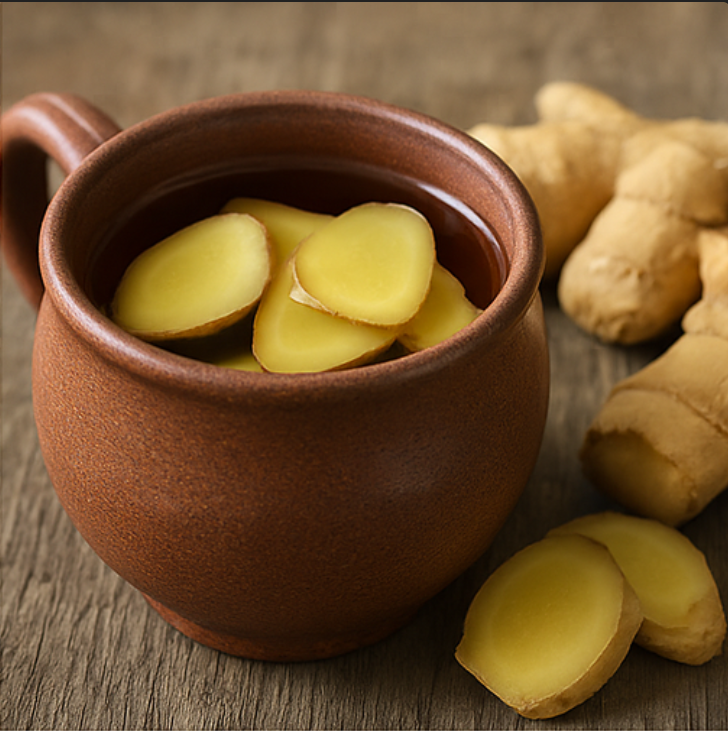
Fresh ginger root is one of the best teas for colds and flu thanks to its spicy, warming nature. Ginger has a warming effect that can feel comforting during chills, and its aroma may feel soothing when you’re congested. It’s also famous for calming upset stomachs—nausea, indigestion, or loss of appetite are common flu symptoms that ginger tea can ease.
How to use: Slice 1–2 inches of fresh ginger root and simmer gently in 2 cups of water for 10–15 minutes. Add a squeeze of lemon and a spoonful of honey for an immune-boosting tonic.
Safety note: Ask a clinician before using ginger regularly or in concentrated amounts if you take blood thinners, have a bleeding disorder, or have surgery scheduled.
3. Peppermint Tea – For Sinus Relief & Cooling Fevers
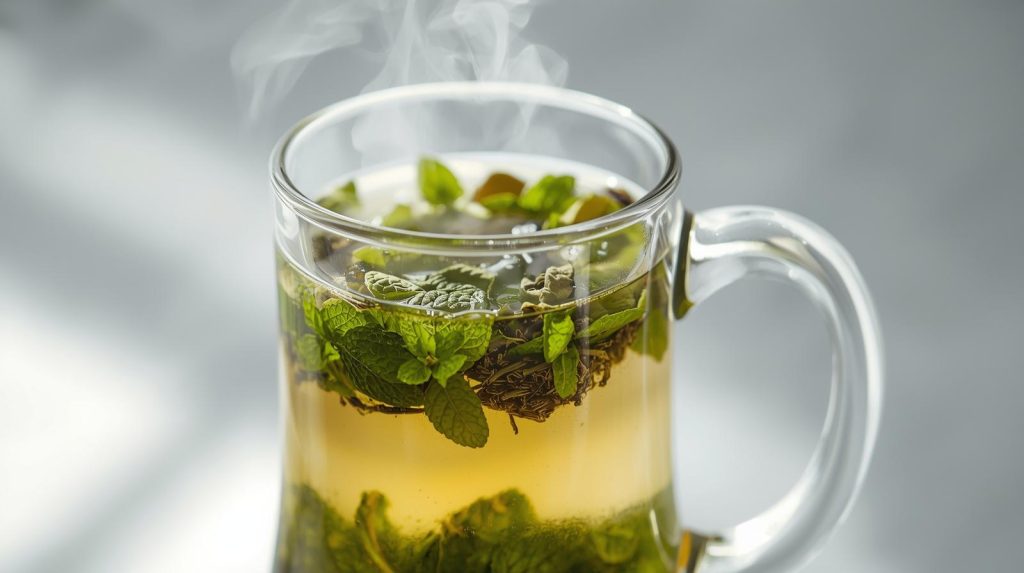
Peppermint is refreshing, cooling, and rich in menthol, whose cooling sensation can make a stuffy nose feel easier to breathe through. If you’re dealing with congestion, the warm steam and minty aroma can feel especially soothing. It also calms digestive upset, which often shows up alongside viral illnesses.
This one works quickly for stuffy noses, but it’s pretty strong. I don’t usually give this to the kids unless I dilute it or mix it with something milder.
How to use: Steep 1–2 teaspoons of dried peppermint leaves for 10 minutes, covered to keep in the menthol vapors. Breathe in the steam as you sip for extra sinus-clearing benefits.
Safety note: Peppermint can worsen heartburn or reflux in some people. Strong peppermint preparations may not be appropriate for young children.
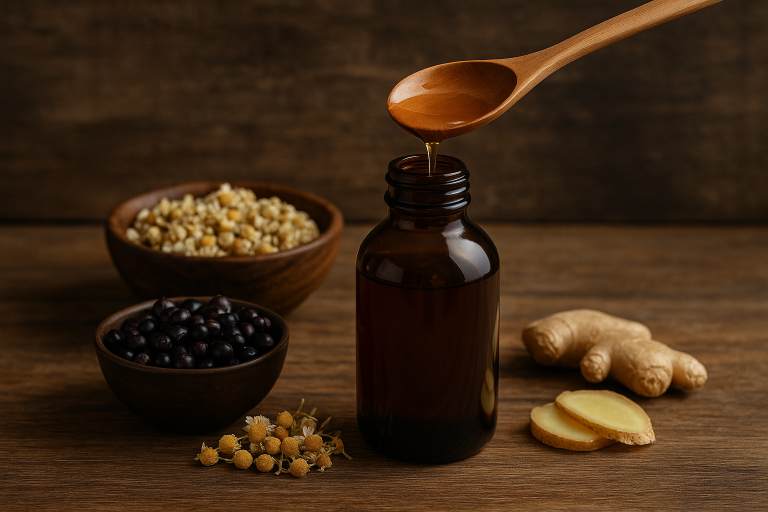
4. Elderberry Tea – For Immune Support
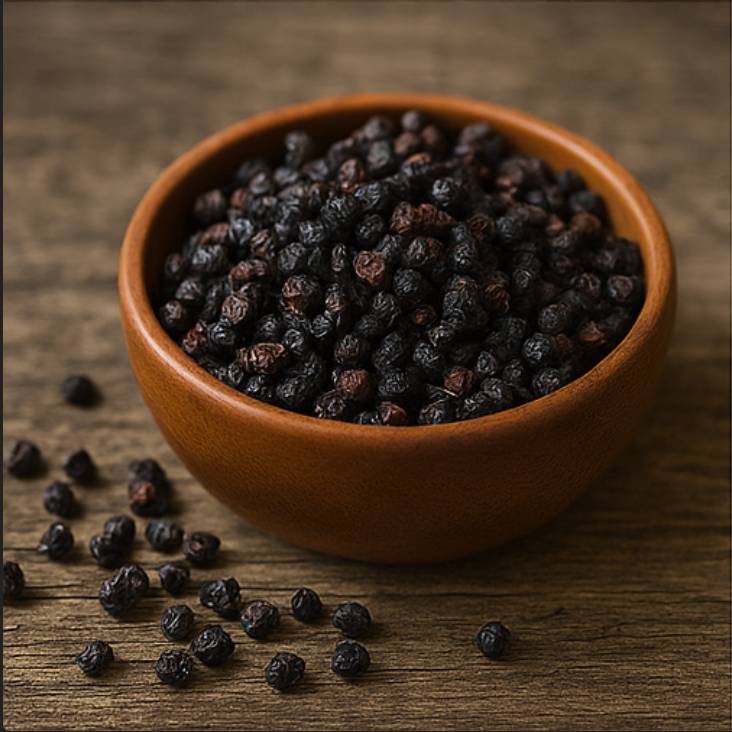
Elderberries are among the most popular immune boosting teas. They’re naturally high in compounds that support overall health, which is why a lot of people use them during cold and flu season. I don’t use this every day, but I like having it on hand during the colder months. It’s something I reach for right at the beginning, when symptoms are just starting. Elderberry has a naturally dark, fruity taste that pairs well with other herbs.
How to use: Simmer 1 tablespoon dried elderberries in 1½ cups water for 15 minutes. Strain, then sweeten with honey.
If you’d like to go beyond tea, elderberries also make a rich, immune-boosting syrup that can be kept on hand through the winter months. Syrups are a more concentrated way to get the benefits of this powerful berry. You can learn how to make your own in my guide: Herbal Syrup 101: Elderberry & Beyond.
Safety note: Use properly identified elderberries from a reputable source and cook dried berries as directed. Do not use raw or unripe berries, leaves, stems, or bark.
5. Licorice Root Tea – For Sore Throats & Cough Relief
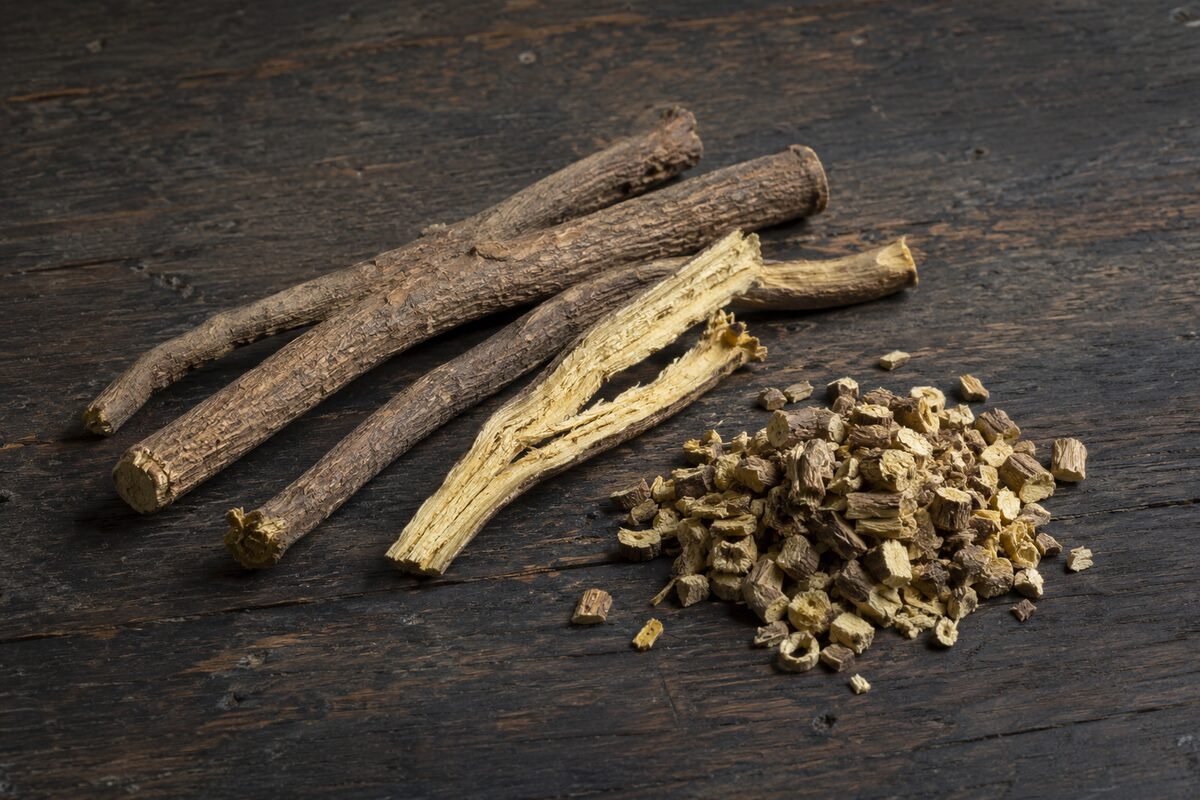
Licorice root is naturally sweet and coats irritated mucous membranes, making it one of the best herbal teas for sore throat relief. It also has mild expectorant qualities, helping loosen phlegm in the lungs. Licorice blends beautifully with ginger, peppermint, or marshmallow root for added relief.
How to use: Steep 1 teaspoon dried licorice root in hot water for 10 minutes. Drink 1–2 cups daily when throat pain is worst.
Safety note: Avoid regular licorice-root use during pregnancy or if you have high blood pressure, heart or kidney disease, low potassium, or take medications that may interact with it. Licorice containing glycyrrhizin can cause serious heart-related effects in large amounts or with prolonged use.
6. Lemon Balm Tea – For Calming Nerves & Mild Fevers
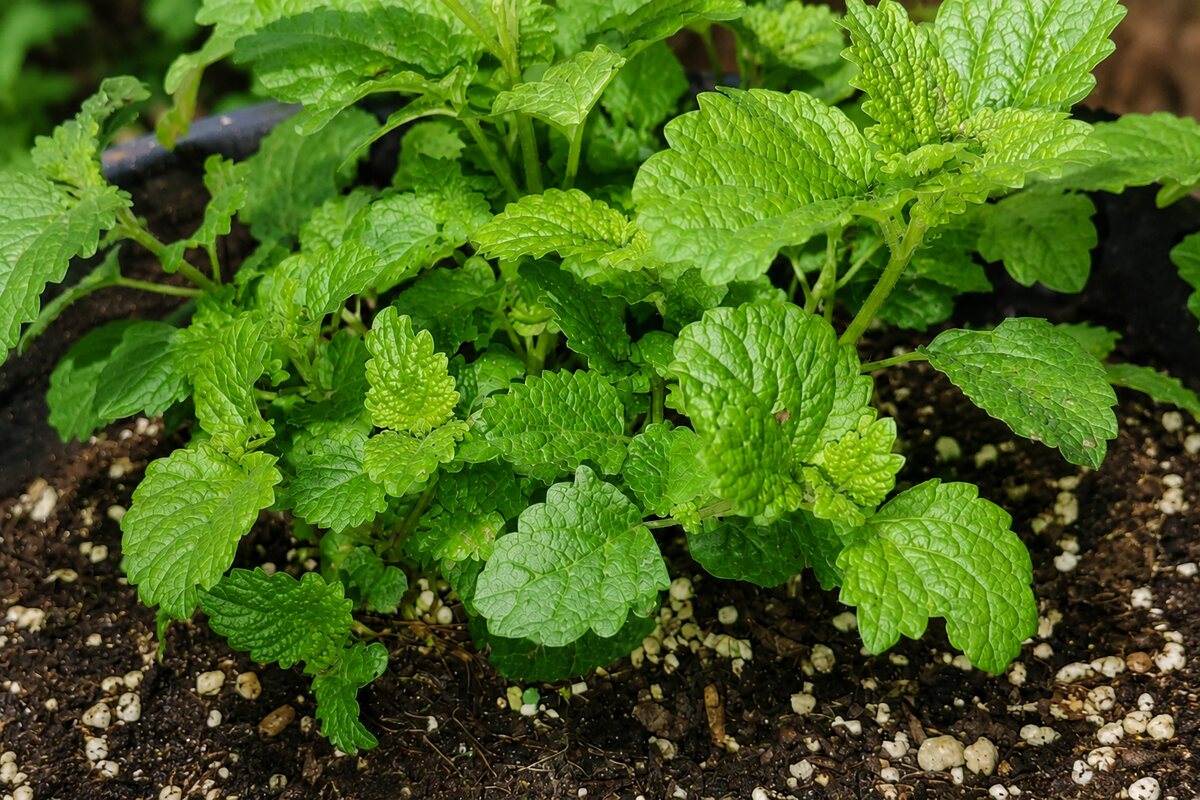
Lemon balm, a member of the mint family, is a gentle herb that helps calm anxiety and restlessness when illness leaves you feeling on edge. It also has mild antiviral and immune-supporting properties. Its lemony, slightly sweet flavor makes it an easy tea to sip throughout the day.
How to use: Steep 1 tablespoon dried lemon balm leaves in hot water for 5–7 minutes. Enjoy warm or cooled.
7. Rose Hip Tea – For Vitamin C & Antioxidant Support
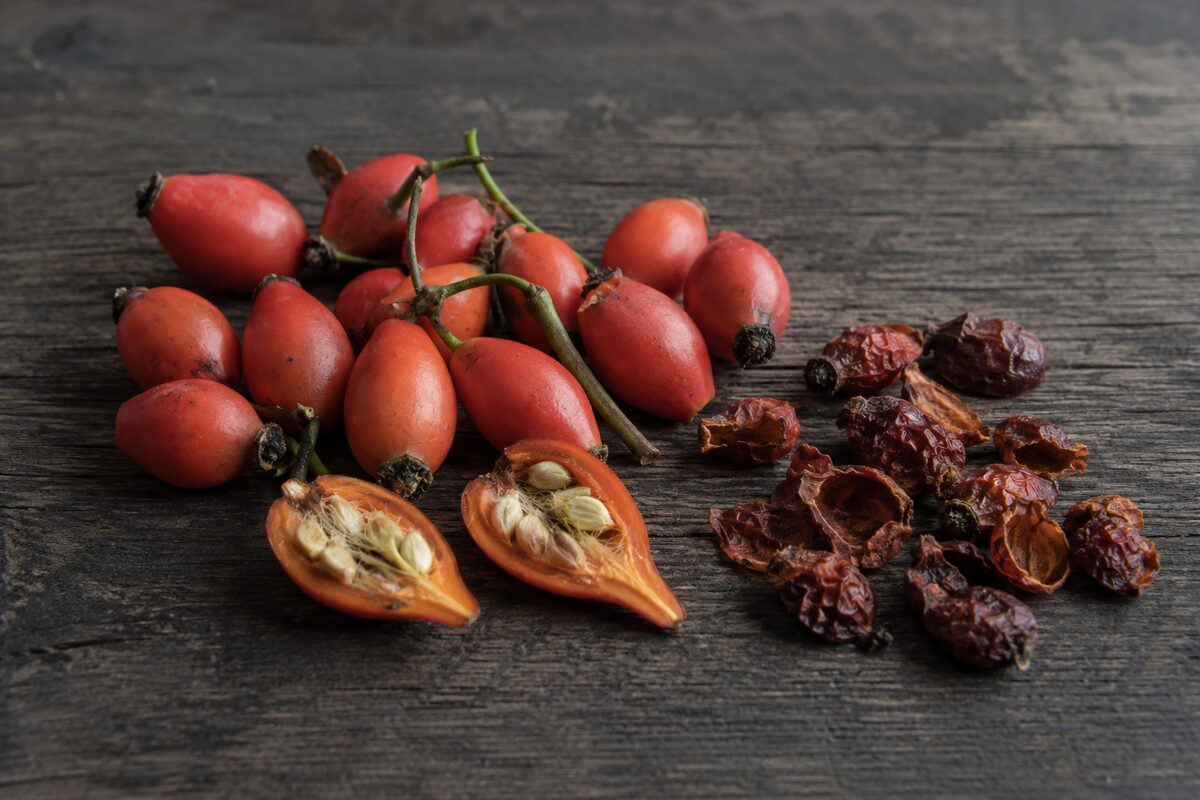
Rose hips, the fruit left behind after a rose blooms, are loaded with vitamin C and antioxidants. During cold and flu season, they provide vitamin C and antioxidant compounds in a tart, pleasant tea that’s easy to incorporate into your routine. The tart, fruity flavor makes rose hip tea one of the most pleasant remedies to drink daily.
How to use: Steep 1 tablespoon crushed dried rose hips in hot water for 15 minutes. Strain well to remove seeds and hairs.
8. Echinacea Tea – For Prevention & Early Support
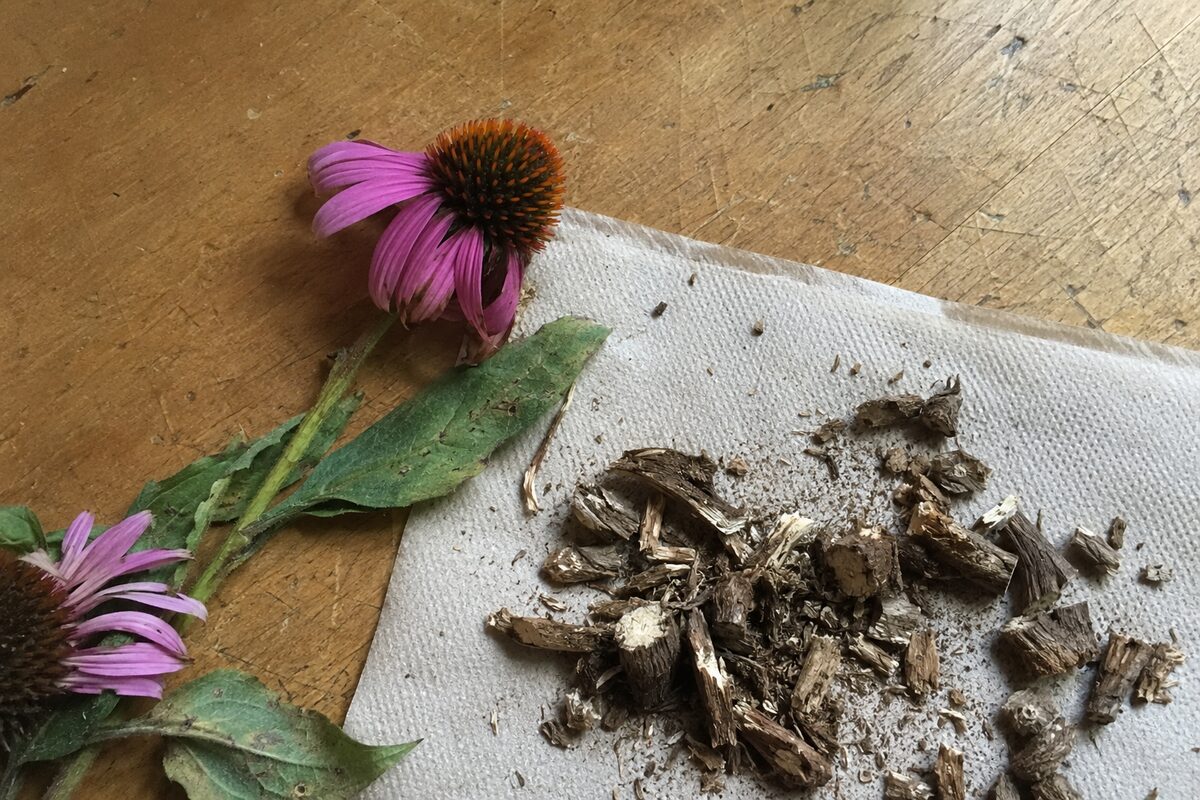
Echinacea tea is one of the most commonly used herbal teas for immune support, especially at the first signs of illness. It is traditionally used to support the body’s immune response and may help ease cold symptoms when used early. The taste is earthy and slightly bitter, but it blends well with mint or citrus for a smoother cup.
How to use: Steep 1 teaspoon dried echinacea root (or 1 tablespoon dried aerial parts) in hot water for 10–15 minutes. Best used short-term, at the onset of symptoms.
Safety note: Use caution if you have ragweed-family allergies, an autoimmune condition, or take immunosuppressant medication. Stop using it and seek help for signs of a serious allergic reaction.
9. Thyme Tea – For Coughs & Respiratory Support
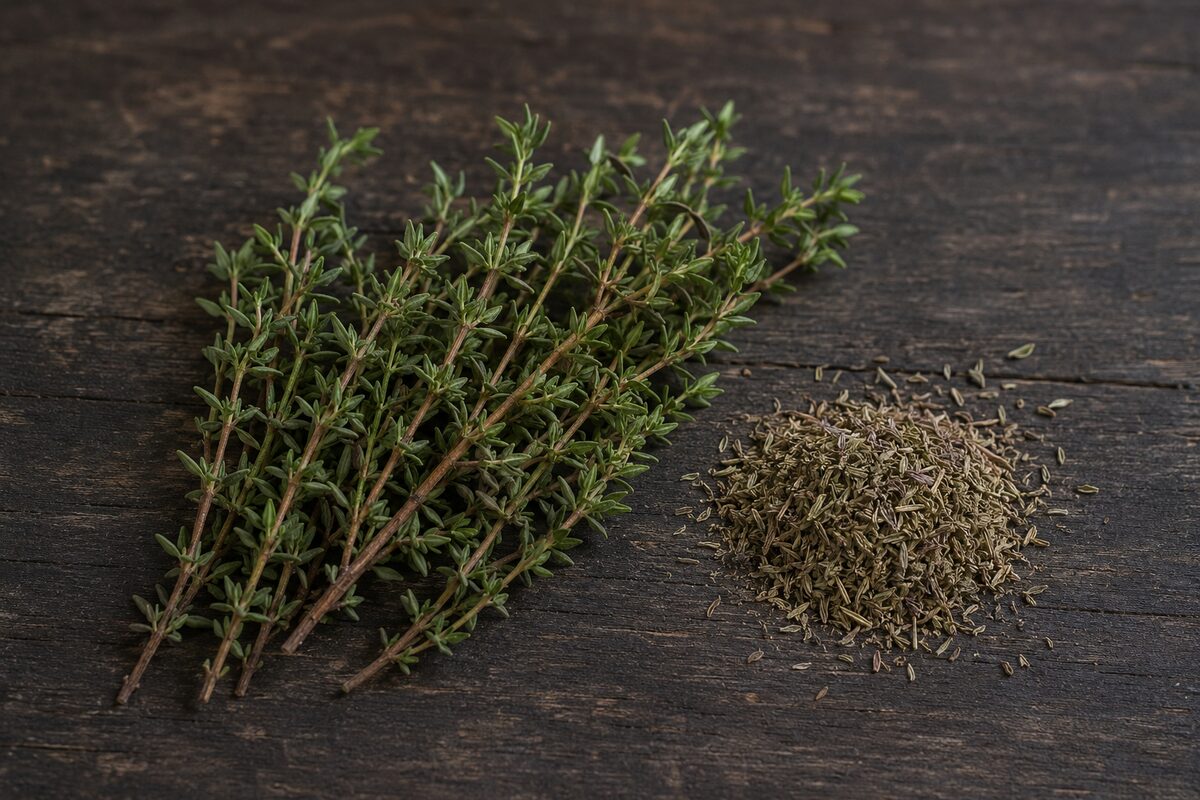
This is one of the few teas that actually seems to help with coughs. It’s not the best tasting on its own, but adding honey makes a big difference.
Thyme tea helps ease persistent coughs, loosen mucus, and support the body during respiratory infections thanks to its natural antimicrobial oils. It’s especially helpful if you have a lingering cough after the flu. The flavor is savory and slightly pungent, but honey balances it well.
I usually brew this as a strong infusion, mix in honey, let it cool, and serve it in a small medicine cup.
How to use: Steep 1 teaspoon dried thyme in 1 cup boiling water for 10 minutes. Add honey for a smoother flavor and extra throat relief.
Herbs like rosemary are also valued for their warming and stimulating properties—learn more about rosemary benefits and uses here.
10. Marshmallow Root Tea – For Dry Cough & Irritated Throats
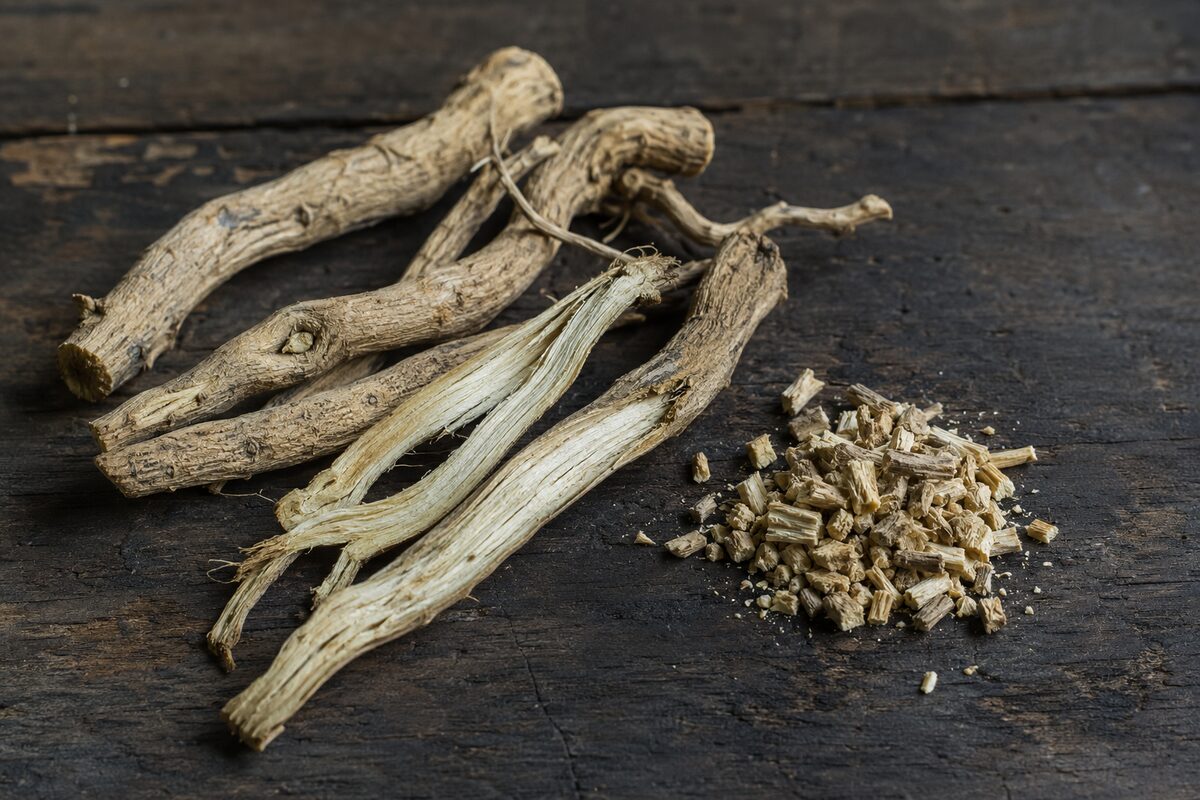
Marshmallow root (not the fluffy candy!) contains mucilage, a soothing, gel-like compound that coats and protects mucous membranes. This makes it one of the best herbal teas for sore throat and dry, hacking coughs. But its benefits go beyond the respiratory system—marshmallow tea can also calm irritation in the digestive tract. If you’re dealing with diarrhea, gastritis, or general stomach upset, the mucilage helps reduce inflammation and provides gentle relief. The flavor is mild, slightly sweet, and very easy to drink.
How to use: Add 1 tablespoon dried marshmallow root to cool water and let it steep for 4–8 hours (a cold infusion preserves its soothing mucilage). Strain and drink as needed, gently warmed if preferred.
Safety note: Marshmallow root’s mucilage may affect how oral medicines are absorbed. Separate it from medications and ask a pharmacist about appropriate timing.
DIY Herbal Tea Blends for Cold & Flu Season
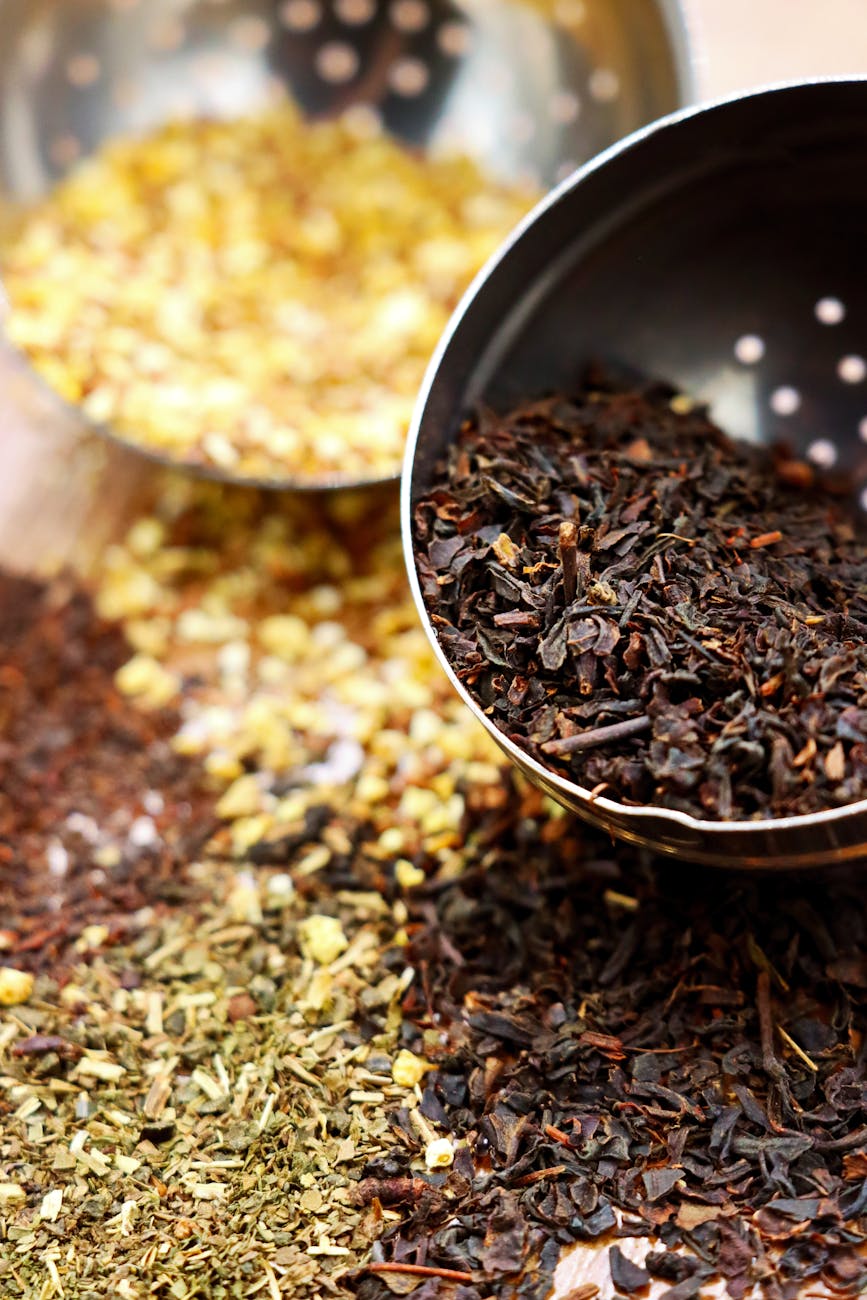
Making your own tea blends at home allows you to combine herbs for maximum benefit. Here are a few simple recipes:
Soothing Bedtime Tea
- 1 part chamomile
- 1 part lemon balm
- ½ part lavender
Steep 5–10 minutes. Drink before bed to relax and rest deeply.
Immune Support Brew
- 1 part elderberries (cooked)
- 1 part rose hips
- ½ part echinacea
Simmer 10 minutes. Strain and sweeten with honey if desired.
Research has found that herbs like elderberry and echinacea may support the immune system during cold and flu season. Learn more here.
Congestion Relief Tea
- 1 part peppermint
- ½ part ginger
- ½ part licorice root
Steep 10 minutes. Inhale the steam as it brews for added relief.
Peppermint and licorice root often show up together in herbal blends because they balance each other—peppermint clears and cools, while licorice soothes and sweetens. They’re also both popular in bath teas, where the steam and water carry their benefits into a relaxing soak. For more ideas, visit: Why Try Ritual Baths and Bath Teas?.
Sore Throat Soother
- 1 part marshmallow root (cold infusion base)
- ½ part licorice root
- ½ part chamomile
Steep marshmallow root in cool water for 4–8 hours, then gently warm and add licorice and chamomile. This blend coats the throat and eases irritation.
Respiratory Comfort Blend
- 1 part thyme
- 1 part peppermint
- ½ part mullein (optional, if available)
Steep 10 minutes, covered. This herbal mix supports the lungs, eases coughs, and helps clear mucus.
Digestive Calm Tea
- 1 part marshmallow root (cold infusion)
- ½ part chamomile
- ½ part fennel seed (optional)
A gentle tea for when the flu leaves your stomach unsettled. Marshmallow soothes irritation, chamomile relaxes, and fennel reduces cramping and gas.
Vitamin C Boost Blend
- 1 part rose hips
- ½ part hibiscus (optional, for flavor and antioxidants)
- ½ part lemon balm
Steep 10–15 minutes for a tart, fruity tea full of vitamin C to support immunity.
Which Tea Should You Use?
If you’re not sure where to start, here’s a quick way to match symptoms with the right tea:
- Dry cough or irritated throat: marshmallow root, licorice, chamomile
- Chest congestion or mucus: thyme, peppermint, ginger
- Early cold symptoms: echinacea, elderberry
- General support / daily sipping: chamomile, lemon balm, rose hips
Most of the time, you don’t need a complicated blend—just choosing one or two herbs that match your symptoms is enough.
| Symptom | Best Teas |
|---|---|
| Sore throat | Licorice, marshmallow, chamomile |
| Congestion | Peppermint, thyme, ginger |
| Immune boost | Elderberry, echinacea, rose hips |
| Rest & recovery | Chamomile, lemon balm |
Tips for Making the Most of Herbal Teas
- Use quality herbs: Choose dried loose-leaf herbs or fresh when possible. Organic is best.
- Steep long enough: Herbal teas often need 10–15 minutes to extract their full benefits.
- Add honey: Raw honey not only sweetens but also has soothing, antimicrobial properties.
- Stay hydrated: Tea counts toward hydration, but balance with plain water too.
- Listen to your body: Rest, warmth, and fluids are key in healing.
Tea can make a sore throat, congestion, or a rough night more manageable, but it is not a cure. Choose one or two herbs that fit the symptom, check that they are appropriate for the person drinking them, and watch for symptoms that need medical care.
Warm liquid, rest, and hydration do a lot of the practical work. The herb is the part that requires the most attention to safety.