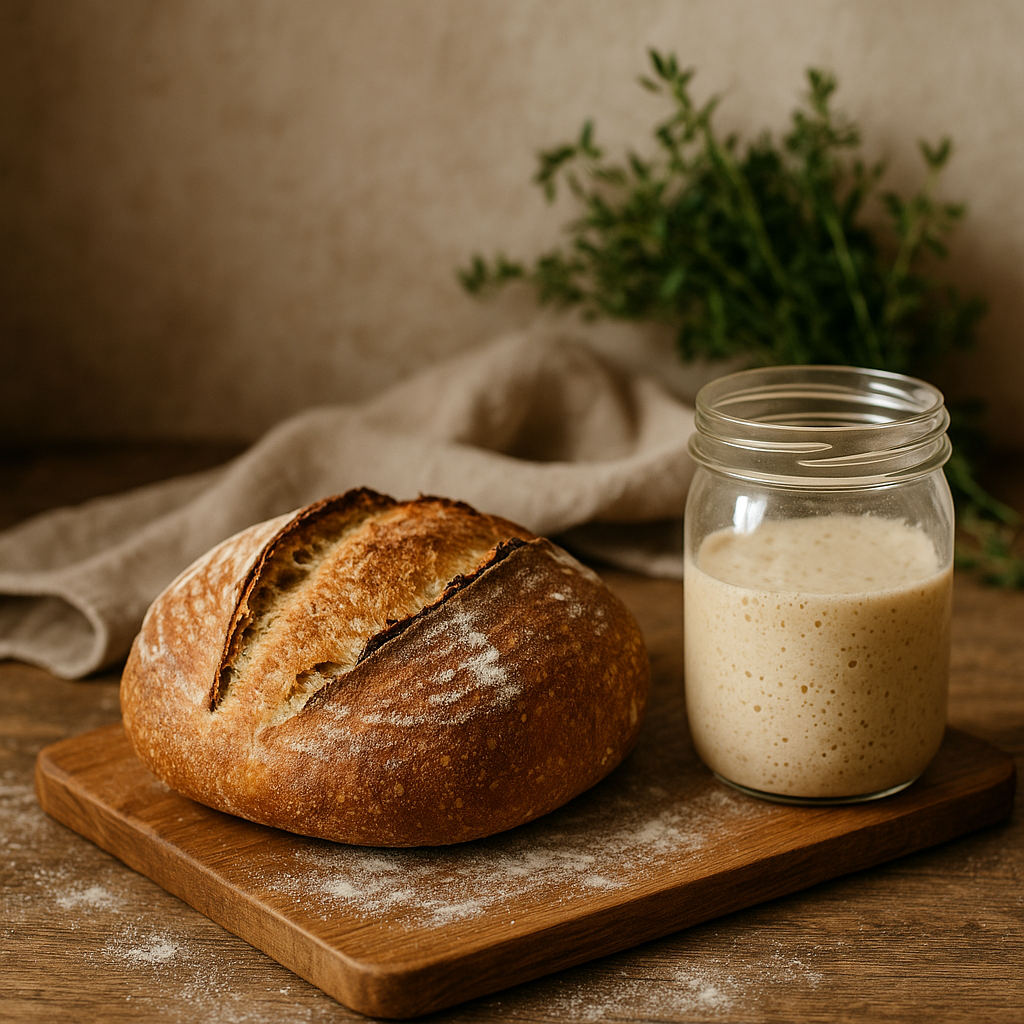
Homemade Sourdough for Beginners: A Simple Guide to Your First Loaf
There’s something almost magical about pulling a fresh loaf of sourdough from the oven. The golden crust crackles as it cools, the interior is soft and chewy, and the flavor is unlike any store-bought bread. Sourdough may seem intimidating at first glance, but with a bit of patience, anyone can learn to bake it at home.
This guide is designed to take you step by step through the basics of sourdough, from creating your starter to baking your first loaf. By the end, you’ll have the confidence to make nourishing, homemade sourdough bread right in your own kitchen.
Why Choose Homemade Sourdough?
Before we get into the how-to, let’s talk about why sourdough is worth your time.
- Natural fermentation: Unlike breads that rely on commercial yeast, sourdough uses wild yeasts and beneficial bacteria captured in a simple flour-and-water mixture called a starter.
- Better flavor: Long fermentation develops rich, tangy notes.
- Digestibility: Many people find sourdough easier on their stomach compared to standard bread.
- Tradition: Sourdough has been baked for thousands of years, connecting you to a lineage of home bakers before you.
If you’re interested in slow living, homesteading, or simply knowing what’s in your food, sourdough is a natural fit.
Step 1: Making Your Starter
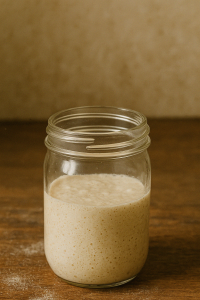
The starter is the heart of sourdough baking. It’s your source of yeast, your bread’s rising power, and its signature flavor.
You’ll need:
- Unbleached all-purpose or bread flour (you can add a little whole wheat or rye to encourage faster fermentation)
- Filtered water (chlorine can slow down the process)
- A clean glass jar or container
How to make it:
- Mix ½ cup flour with ¼–⅓ cup water in your jar until it’s the consistency of thick pancake batter. Cover loosely.
- Let it sit at room temperature (65–75°F is ideal).
- Every 24 hours, discard half of the starter and feed it with fresh flour and water.
- After 5–7 days, you should see bubbles, notice a pleasantly tangy smell, and your starter should double in size within a few hours of feeding.
Pro tip: Give your starter a name. It might sound silly, but treating it like a kitchen pet helps you remember to care for it.
Step 2: Caring for Your Starter
Once your sourdough starter is alive and bubbly, your job is to keep it healthy. Think of it like a small kitchen companion—it needs regular feeding and the right environment to thrive.
How to Feed Your Starter
Feeding simply means discarding part of the starter and giving it fresh flour and water. This keeps the yeast and bacteria active without overwhelming them.
- Ratio: A common feeding ratio is 1:1:1 (equal parts starter, flour, and water by weight). For example, 50 g starter + 50 g flour + 50 g water.
- Water temperature: Use room-temperature or slightly warm water (not hot). Cold water slows fermentation, while hot water can kill the yeast.
- Container size: Always use a jar with plenty of room to expand—your starter should double in size at peak activity.
Room Temperature vs. Refrigerator
- Room temperature bakers: If you bake several times a week, keep your starter on the counter and feed once daily. This keeps it strong and ready to use.
- Refrigerator bakers: If you bake less often, store your starter in the fridge. Feed it once a week, and pull it out 1–2 days before baking to refresh it with room-temperature feedings.
Signs of a Healthy Starter
A good starter should:
- Double in size within 4–8 hours of feeding.
- Smell pleasantly tangy, yeasty, or fruity (not rotten or harsh).
- Have visible bubbles throughout.
- Pass the float test: drop a spoonful in water—if it floats, it’s airy and ready to bake.
When Something Seems Off
- Gray liquid (“hooch”): A layer of liquid on top means your starter is hungry. Just pour it off or stir it back in and feed.
- Strong alcohol smell: Another sign it needs a feeding.
- Mold or pink/orange streaks: Unfortunately, that means your starter is unsafe—discard it and start over.
Building Strength Before Baking
When you’re planning to bake, refresh your starter with 1–2 feedings at room temperature. You’ll know it’s ready when it’s at its peak height and full of bubbles. Using it too early (before it doubles) or too late (after it collapses) can affect the rise of your bread.
Step 3: Mixing Your Dough
Here’s a beginner-friendly formula for a single loaf:
Ingredients
- 500 g (about 4 cups) bread flour
- 350 g (about 1½ cups) water
- 100 g (½ cup) active starter
- 10 g (2 tsp) salt
Method
- Autolyse (optional): Mix flour and water only, then rest 30–60 minutes. This improves gluten strength.
- Add starter + salt: Stir until evenly combined. Dough will be sticky.
- Bulk fermentation: Let dough rise at room temperature for 4–6 hours, stretching and folding it every 30–60 minutes.
- Shape: Gently form into a round or oval loaf. Place in a proofing basket or bowl lined with a towel.
- Final proof: Rise for 2–4 hours at room temp or overnight in the fridge for more flavor.
- Bake: Preheat oven to 475°F with a Dutch oven inside. Score the loaf, place it in the Dutch oven, cover, and bake 20 minutes. Uncover and bake another 20–25 minutes until deep golden.
Step 4: Cooling and Slicing
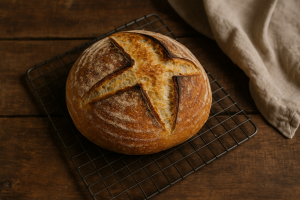
Once your sourdough has baked to a deep golden brown, it’s tempting to grab a knife and cut straight into it. The smell alone can be irresistible. But one of the hardest lessons for beginners is this: bread needs time to cool.
Why Cooling Matters
When sourdough comes out of the oven, the inside (crumb) is still finishing its bake. Steam continues to escape, the crumb structure firms up, and the crust develops its final texture. If you slice too early, the inside may seem gummy, sticky, or undercooked—even if it’s perfectly baked.
Think of it like resting a roast or letting cookies cool. This step isn’t optional—it’s essential.
Using a Cooling Rack
Place your loaf on a wire cooling rack immediately after baking. This prevents condensation from forming on the bottom and keeps the crust from becoming soggy. The rack allows air to circulate all around the bread, ensuring it cools evenly. If you don’t have a rack, improvise with an oven rack set over a baking sheet or even chopsticks laid side by side.
When to Slice
Give your sourdough at least one full hour to cool before slicing. Larger loaves may need 90 minutes or more. Once cooled, use a sharp serrated bread knife to cut through the crust without crushing the crumb.
For everyday use, you can slice the whole loaf at once or cut as needed. Many bakers prefer to store the loaf unsliced to keep it fresher longer.
What to Do With Your Sourdough Discard
Let’s be honest—this is the part most of us care about. Once your starter is alive and well, you’ll quickly find yourself with more discard than you know what to do with. That’s the portion you remove before feeding your starter so it doesn’t overflow or become too acidic. Tossing it out feels wrong, especially when you’ve spent days nurturing the thing.
The good news? Sourdough discard is still perfectly usable in all kinds of quick recipes. It won’t make bread rise on its own, but it adds a subtle tang, depth of flavor, and a touch of that sourdough “magic” to just about anything you bake.
Simple Ways to Use Your Discard
- Pancakes & Waffles: The easiest and most popular use. Replace part of your flour and liquid with discard for tangy, fluffy results.
- Crackers: Mix discard with olive oil, herbs, and salt for thin, crispy snacks that store beautifully.
- Biscuits or Scones: Add discard for tender, flavorful bakes that pair perfectly with soup or morning coffee.
- Muffins & Banana Bread: Use discard to deepen the flavor of your favorite quick breads.
- Pizza Dough: Combine discard with a little commercial yeast for a flavorful, chewy crust.
- Brownies or Cookies: Surprisingly good—discard gives a slight richness without overpowering sweetness.
If you bake often, keeping a small “discard jar” in the fridge can make it easy to pull from anytime you feel like experimenting. It lasts about a week, and you can build a little rhythm around using it up before the next feeding day.
Troubleshooting: Common Beginner Mistakes
- Flat loaf? Starter wasn’t strong enough or dough under-proofed.
- Too sour? Shorten fermentation time or refresh starter more often.
- Dense crumb? Add more stretch-and-folds during bulk fermentation.
- Burned bottom? Place parchment paper between loaf and Dutch oven.
Remember: every loaf is a learning experience. For even more detailed troubleshooting tips, you can refer to the King Arthur Baking sourdough guide—a trusted resource for home bakers worldwide.
Fun Variations to Try
Once you’ve mastered the basic loaf, experiment:
- Add-ins: garlic, herbs, olives, nuts, or dried fruit.
- Flour blends: rye, spelt, or whole wheat deepen the flavor.
- Seeds: coat the crust in sesame or sunflower seeds before baking.
Homemade sourdough isn’t about perfection—it’s about process. The more you practice, the better your loaves will become. Soon you’ll be sharing them with neighbors, experimenting with seasonal flavors, and maybe even passing along your starter as a living gift.