Mabon for Kids: What It Is and How to Celebrate as a Family
Mabon is a modern Pagan celebration of the autumn equinox. It falls near the beginning of autumn in the Northern Hemisphere, when daylight is shrinking, gardens are winding down, and families are beginning to prepare for colder weather.
For kids, Mabon makes those changes easier to see. They can help bring in food from the garden, make dinner, notice the earlier sunset, or help get the house and animals ready for colder weather.
I do not think this needs to become an all-day production. A good meal, one project everyone works on together, and a small moment of gratitude can be plenty.
What Is Mabon?
Mabon is one of the eight celebrations commonly included in the modern Pagan Wheel of the Year. It is connected to the autumn equinox and is often described as the second of three harvest festivals, following Lughnasadh and coming before Samhain.
Common Mabon themes include:
- Harvest
- Gratitude
- Balance
- Abundance
- Sharing
- Preparing for winter
- Recognizing personal growth
- Completing unfinished work
Sometimes the harvest is literal: vegetables from the garden, herbs hanging to dry, eggs from the chickens, or jars of food put away for later.
Sometimes the harvest has nothing to do with a garden. A child may have learned to read, finished a hard project, gotten more confident, or taken on a new responsibility. Maybe the family repaired part of the house, started raising animals, made it through a rough stretch, or finally finished the thing that had been sitting half-done for months.
That is one of the things I like about Mabon: it gives us a reason to notice what actually came from all that work before everybody charges into the next part of the year.
When Is Mabon?
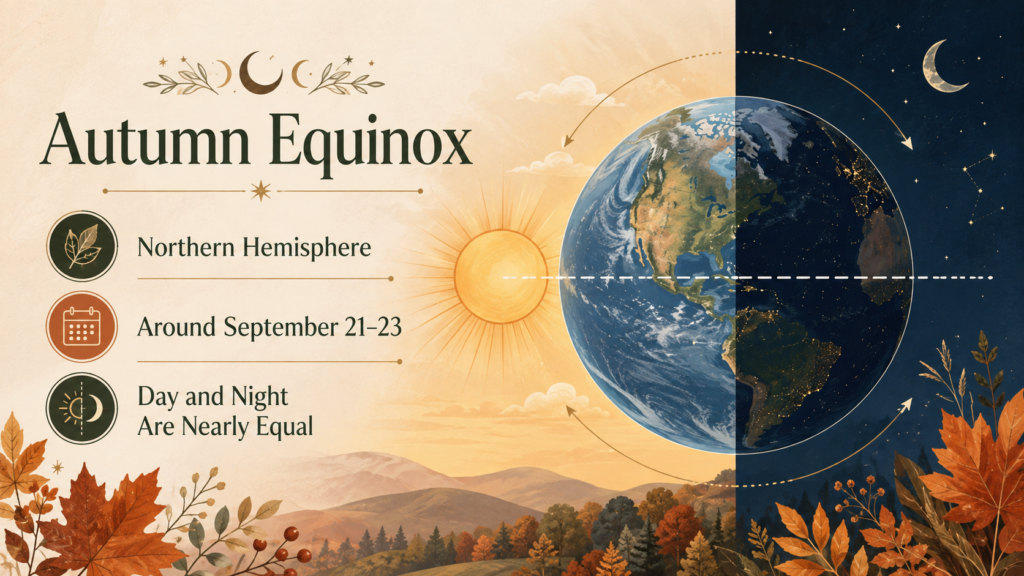
In the Northern Hemisphere, Mabon is usually observed around September 21–23, depending on the year and time zone.
The equinox occurs when the center of the sun crosses the plane of Earth’s equator. Neither hemisphere is tilted more directly toward the sun at that moment. Day and night are often described as equal, although the amount of daylight is not usually exactly twelve hours because of atmospheric refraction and how sunrise and sunset are measured.
Families in the Southern Hemisphere experience autumn around the March equinox and may celebrate Mabon then instead.
You do not have to hit the exact astronomical minute. Dinner, the nearest weekend, or whenever your family can actually be together is fine.
Where Did the Name Mabon Come From?
People have observed harvest time and the changing balance of daylight for thousands of years, but the use of Mabon as the name of a Pagan autumn equinox celebration is more recent.
Aidan Kelly chose the name while creating a Pagan calendar in 1974. He took it from Mabon ap Modron, a figure in Welsh mythology, and the term spread through modern Pagan publications and communities.
Today, some people call the celebration Mabon. Others use Autumn Equinox, Harvest Home, or Second Harvest. Families can use the name that best fits their practice.
How to Explain Mabon to Children
Younger children usually need only a simple explanation:
Mabon is an autumn celebration. We give thanks for what has grown, notice how the world is changing, and begin getting ready for colder weather.
Older children may appreciate a little more detail:
Mabon is a modern Pagan holiday connected to the autumn equinox. It focuses on harvest, gratitude, balance, sharing, and preparing for winter.
Kids do not need a full Wheel of the Year lesson before they can take part. Food, time outside, family stories, animals, and useful work usually make the holiday easier to understand than a long explanation does.
What Harvest Means at Mabon
For families whose winter food depended directly on the harvest, gathering, preserving, and storing food was necessary work. It was not autumn décor; it was how you got through the colder months.
Most of us are not bringing in an entire field anymore, but the basic idea still works: look at what your earlier work actually produced.
Your family’s harvest might include:
- Vegetables, fruit, or herbs grown at home
- Eggs, milk, honey, or other food produced by animals
- Food preserved in jars or the freezer
- A child learning a new skill
- Progress in school or work
- A household project that was completed
- Better routines
- A friendship that grew stronger
- An animal that recovered or settled into the family
- A difficult period everyone made it through together
Not every accomplishment will look impressive from the outside.
Sometimes the harvest is that meals kept appearing, the animals stayed fed, the children kept learning, and the household made it to autumn with most of its pieces still attached.
Mabon Activities for Kids and Families
The Mabon activities I like best are the ones that let kids join in with something the family is already doing. I do not need another stack of autumn worksheets or a pile of crafts that nobody knows where to put afterward.
Pick a couple that fit your household. Nobody needs seventeen Mabon activities crammed into one day.
Notice What Is Changing Outside
Go outside and look at what is actually changing around you. You do not need a nature-study plan for this.
Depending on where you live, you might notice:
- Cooler mornings
- Earlier sunsets
- Leaves beginning to change
- Acorns, nuts, or seeds falling
- Late flowers blooming
- Ripening fruit
- Gardens slowing down
- Birds gathering or migrating
- Fewer insects
- Changes in animal behavior
Autumn does not arrive the same way everywhere. In some places, September is still hot and most of the trees remain green. Look at what is actually happening around your home instead of trying to recreate someone else’s idea of fall.
Children can take pictures, draw what they see, collect safe fallen materials, or simply talk about what has changed since summer.
A walk around the yard counts. You do not need a carefully planned nature excursion.
Talk About Your Family’s Harvest
At dinner or while you are working together, ask everyone to name something they learned, finished, grew, or worked hard on this year.
Possible questions include:
- What did you learn this year?
- What became easier after you practiced?
- What are you proud of?
- What did you help grow or care for?
- What did our family accomplish together?
- What would you like to keep working on?
Young children may need examples. Learning to dress themselves, helping feed an animal, finishing a book, making a friend, or becoming less afraid of something all count.
You can write the answers in a family journal and read them again the following year. Children who do not want to speak can draw their answer or keep it private.
Make Corn-Husk Dolls Together
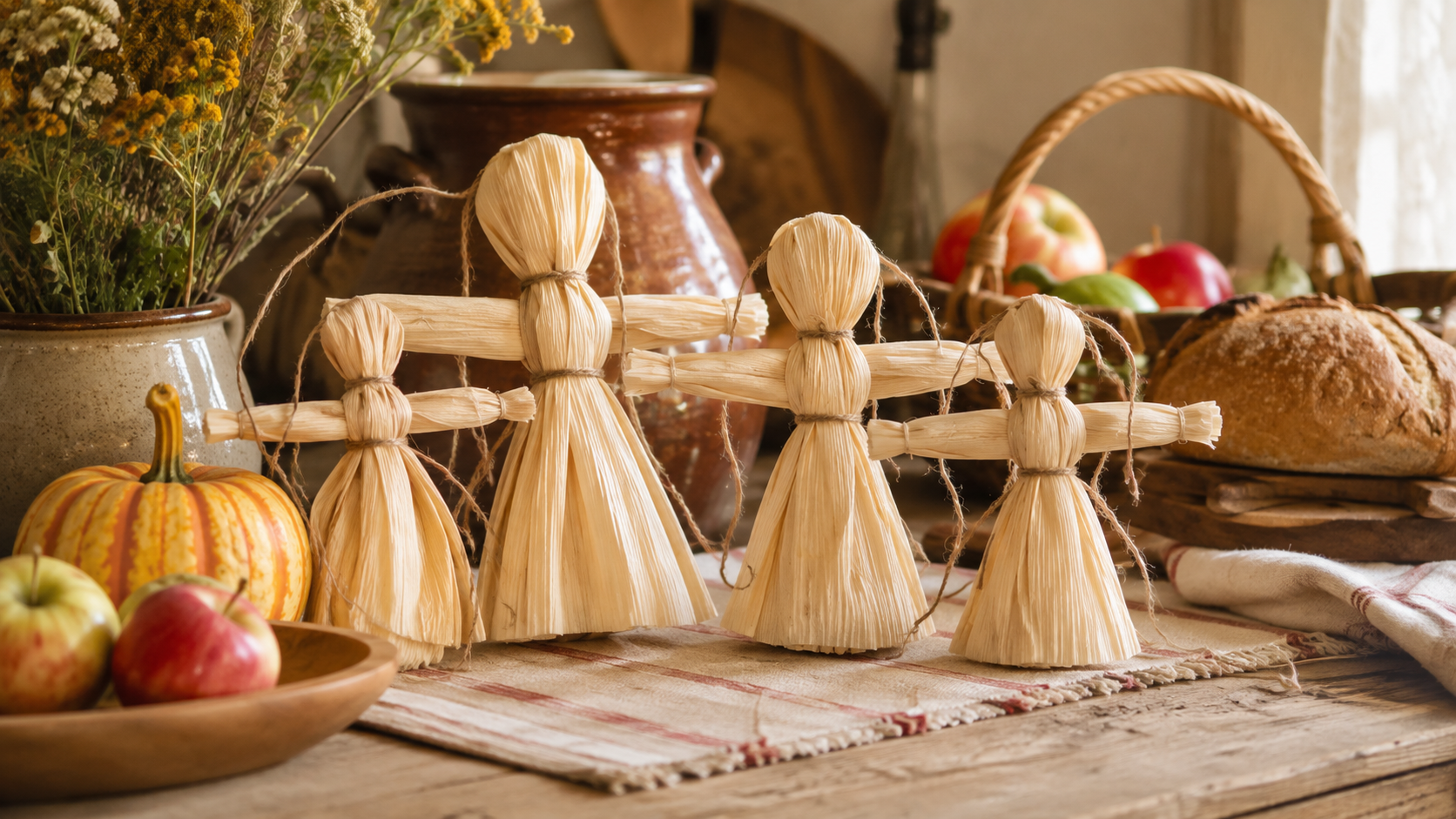
Corn-husk dolls ended up being one of the better projects we tried because they actually felt connected to the harvest and gave everyone something to work on together.
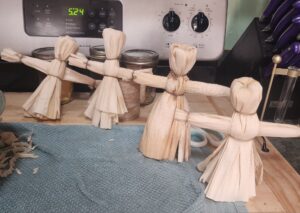
I picked corn-husk dolls because everyone could work on them together, they fit the harvest theme, and the finished dolls actually looked good enough that I wanted to keep them. We used ours as part of the celebration because we made them together, not because corn-husk dolls are some required Mabon altar item.
Younger children may need help folding and tying the husks. Older children can add clothes, hair, faces, or small accessories.
The dolls can be simple, elaborate, serious, or a little strange-looking. Ours did not all come out the same, which was part of what made them interesting.
Mabon Activity Book with Corn-Husk Doll Instructions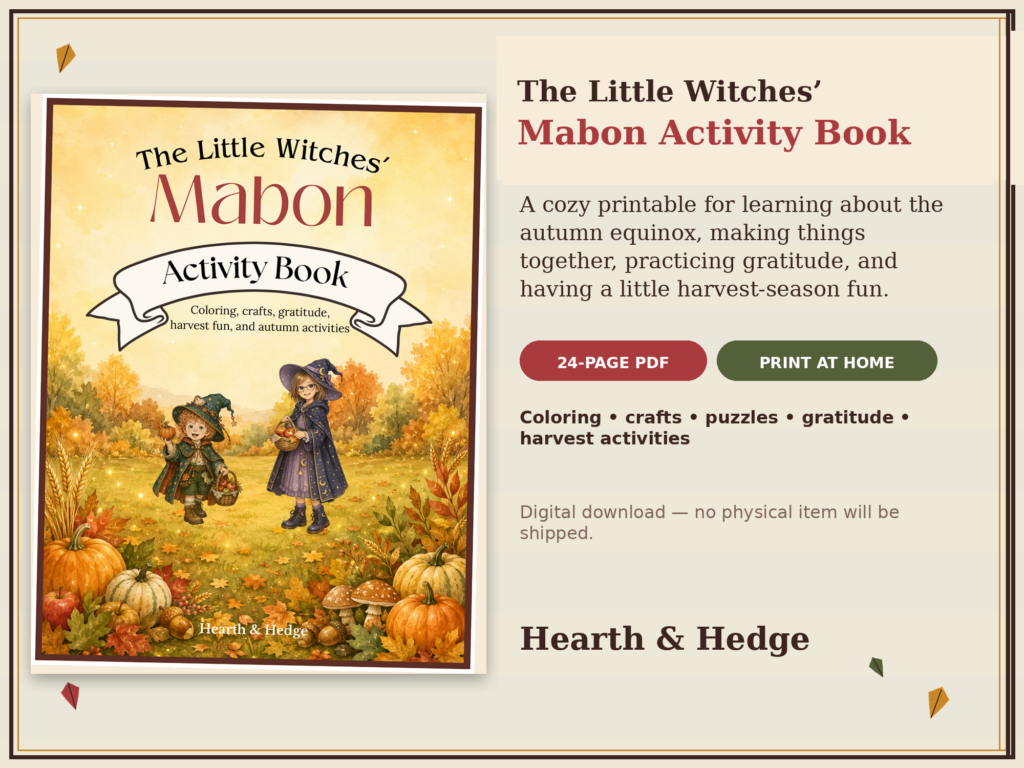
The activity book contains the full instructions, along with other activities that explain the meaning of the holiday rather than offering pages of unrelated fall crafts.
Check out my Mabon Preparations post for the instructions and the tutorial videos we followed to make our dolls.
Prepare Mabon Dinner Together
Food is probably the easiest way I’ve found to include kids in Mabon because dinner has to happen anyway.
You can prepare foods commonly associated with the harvest, but dinner does not need to become an enormous themed feast. In my house, it is more likely to be Thanksgiving-type food, pot roast, chili, or another warm meal everyone will actually eat.
Children can help by:
- Loading vegetables into a crockpot
- Adding potatoes or carrots
- Pouring in measured ingredients
- Stripping rosemary or thyme from the stems
- Washing apples or vegetables
- Stirring something before it gets hot
- Putting food in the microwave
- Pushing the correct buttons with supervision
- Setting the table
- Carrying safe dishes
- Choosing a side
- Helping serve dessert
If their entire contribution is dumping carrots into the crockpot and disappearing again, that still counts.
Crockpot meals are especially convenient with little children because they can add ingredients before the pot is hot. A preschooler can drop carrots into a cold crockpot far more safely than they can help over a sizzling pan.
There is no prize for getting a child to make an entire dish independently. Stripping herbs, washing produce, unwrapping ingredients, or handing you things is still real help.
Eat a Regular Dinner Together
Apples, bread, grains, squash, corn, potatoes, root vegetables, nuts, grapes, herbs, cider, soups, and roasted meats are often associated with Mabon because they reflect foods gathered during autumn.
You can make pot roast. You can heat up chili. You can serve frozen vegetables. You can order pizza if the day goes badly.
The shared meal matters more than whether every ingredient appears on a Mabon correspondence list.
If you want a spiritual piece without creating another whole activity, pause before dinner and notice:
- The plants and animals that provided the food
- The people who grew, raised, transported, or sold it
- Whoever prepared the meal
- The money and resources used to obtain it
- The people gathered around the table
That can be a prayer, a quick blessing, a minute of silence, or just part of the dinner conversation.
Include Home-Canned Food
If you already preserve food at home, Mabon is a good time to actually use some of it. A jar you put away earlier in the year is the harvest showing up on the table months later.
You might open:
- Applesauce
- Apple butter
- Jam or jelly
- Green beans
- Pickles
- Salsa
- Relish
- Tomato sauce
- Soup
- Chili
- Other foods your household safely preserves
It does not need to be a special pretty jar you were saving. Opening something ordinary that you put away earlier in the year makes the connection between summer work and winter food just fine.
You do not need to turn Mabon dinner into a canning-safety lecture. But if you share actual canning instructions, keep personal practices separate from research-tested recipes. The National Center for Home Food Preservation recommends current tested recipes and has a tested pressure-canning recipe for chili con carne.
Rebel Canning Explained: Safety, Risks & Common Foods
NCHFP Tested Chili Con Carne Recipe
Express Gratitude Through Offerings
Gratitude does not have to be written on a decorative paper leaf.
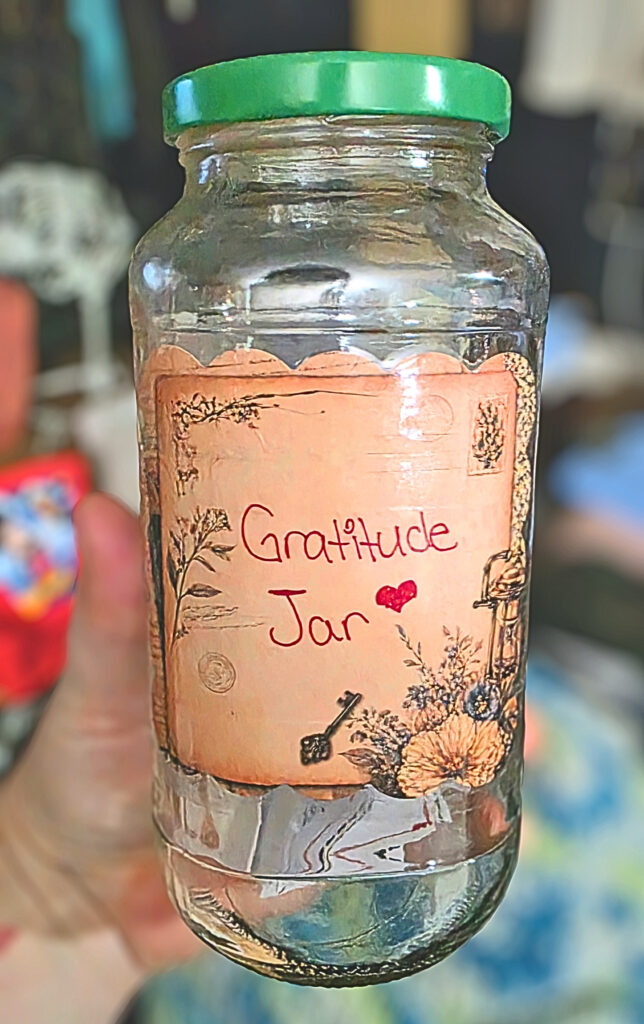
We made a simple gratitude jar for ours. Everyone can add little notes about things they’re thankful for throughout the season, and we can read them together later.
If offerings are part of your practice, they can be for deities, ancestors, household spirits, land spirits, or whoever else you actually work with.
Use what actually makes sense in your practice, such as:
- Bread
- Apples
- Herbs
- Flowers
- Water
- Cider
- Incense
- A candle
- A prayer
- A song
- Time spent caring for a meaningful place
Consider where the offering will be left and what may encounter it. Avoid leaving food outdoors if it could harm wildlife, attract pests, or introduce materials that do not belong there.
Acts of care can also serve as offerings.
You might clean an altar, tend a grave, pick up trash outside, water a dry garden bed, or take better care of the animals that share your home.
And yes, gratitude may involve giving the chickens something safe that they particularly enjoy. The chickens are unlikely to object to being included in your spiritual practice.
Kids often understand this kind of gratitude better than a speech about gratitude. Feeding an animal or caring for a place gives them something concrete to do with it.
Share What You Have
Sharing is another Mabon theme that is easy to make practical. If you genuinely have extra, pass some of it along.
Extra is the important part. Do not give away food, money, or supplies your own family needs just because abundance is on a Mabon correspondence list.
Your family might:
- Give away extra garden produce
- Share eggs
- Donate food
- Pass along coats or clothing that no longer fit
- Bake something for a neighbor
- Help someone with an outdoor job
- Share seeds or plant cuttings
- Check on someone who may need help
- Donate pet food or animal supplies
Children can help choose what to share, pack it, carry it, or help deliver it.
Sometimes the thing you have extra of is time, knowledge, or energy. Sharing does not have to involve buying anything.
Prepare the Home for Colder Weather
Mabon lands at a genuinely useful point in the year: there is usually cold-weather prep that needs doing anyway.
Pick one or two jobs. The entire house does not need to be winter-ready by sunset.
Possibilities include:
- Bring out blankets and warmer bedding
- Check coats, boots, and cold-weather clothing
- Sort clothing the children have outgrown
- Clean and inventory part of the pantry
- Bring in herbs to dry
- Preserve or freeze food
- Stack and cover firewood
- Gather kindling
- Make homemade fire starters
- Start a jar of fire cider
- Prepare animal shelters
- Check windows for drafts
- Put away summer equipment
- Test smoke and carbon-monoxide alarms
- Finish an outdoor repair
- Make a list of colder-weather meals
Children can help sort blankets, gather safe materials, carry small pieces of wood, check their own clothes, strip herbs, or add prepared ingredients to a jar. One of my daughters is practicing her handwriting, so I gave her a blank inventory list I made in Canva and had her write down what was in the pantry and the deep freezer. It keeps her busy, gives her some real handwriting practice, and helps me because now I know what I actually need to stock up on.
I like these jobs because the kids are actually helping prepare the house, not doing fake busywork while the adults handle the real stuff.
If your kids are more motivated when they have something concrete to work toward, I also use Witch Bucks, our printable reward system for optional jobs, extra schoolwork, and other things beyond their normal responsibilities.
Make Homemade Fire Starters
If your family uses a woodstove, fireplace, or outdoor fire pit, homemade fire starters are a useful Mabon project.
Depending on the method you use, children may be able to help gather or arrange materials such as:
- Pinecones
- Dry twigs
- Wood shavings
- Shredded paper
- Cardboard egg cartons
- Paper tubes
- Dry pine needles
- Dryer lint made only from suitable natural fibers
Some fire starters use melted wax or rendered fat. Adults should handle hot wax or fat and supervise children closely. Finished fire starters should be kept away from unsupervised children, pets, open flame, and heat sources. If you make them with fat or another ingredient that can soften, melt, or get greasy at room temperature, I recommend storing them in the freezer.
While you are at it, gather kindling, tidy the area around the hearth, check the firewood supply, and make sure the smoke and carbon-monoxide alarms are working.
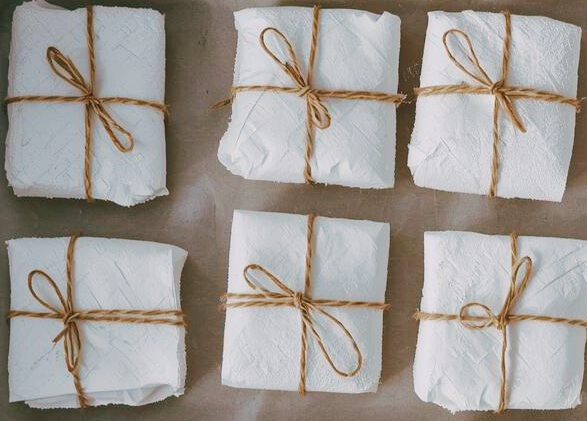
How to Make Homemade Fire Starters
I like this one because the finished project actually gets used. Later, the kids get to see the thing they made in early autumn start a fire on a cold day.
Start a Jar of Fire Cider
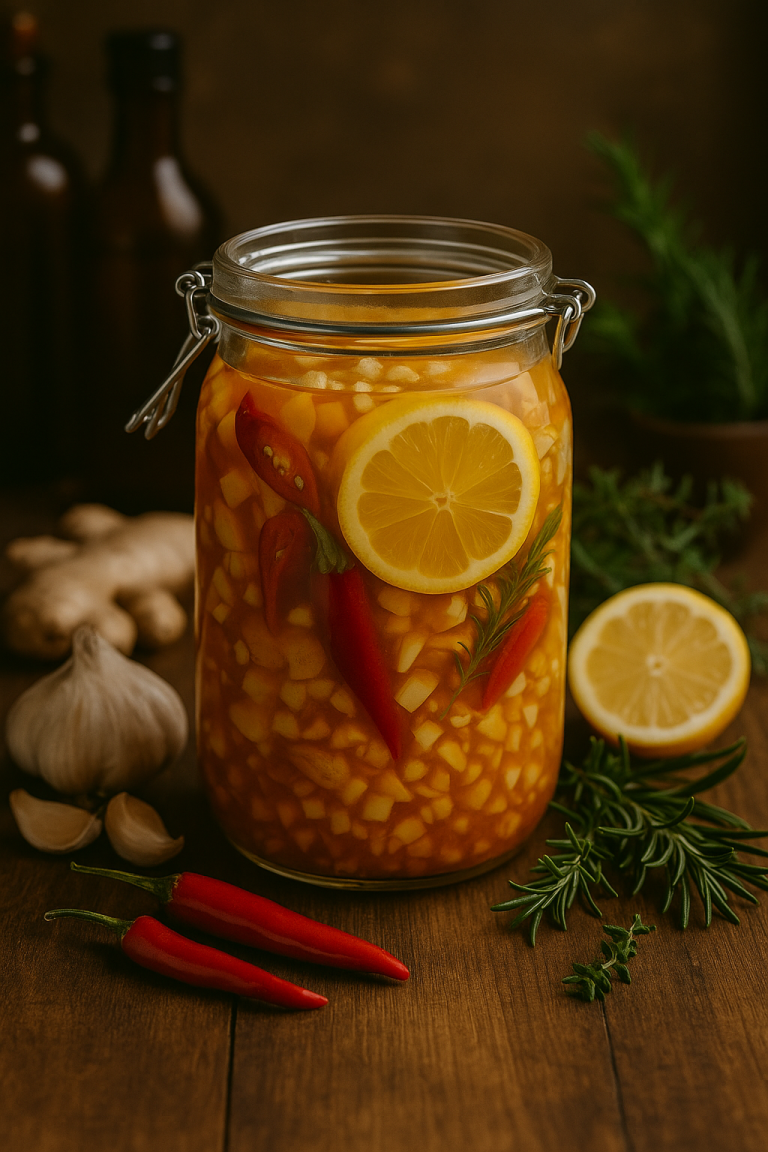
Fire cider is a strong vinegar infusion usually made with apple cider vinegar and ingredients such as ginger, garlic, onion, horseradish, hot peppers, citrus, and herbs.
Recipes vary widely. Some are very hot, while others lean more heavily on garlic, ginger, citrus, or herbs.
Because the mixture needs time to infuse, Mabon is a good time to begin a jar for later in autumn.
Children can help by:
- Adding prepared ingredients to the jar
- Stripping rosemary or thyme
- Measuring spices
- Pouring in vinegar with help
- Making the label
- Shaking the sealed jar
Adults should handle the knives, hot peppers, fresh horseradish, and any ingredients that may irritate the skin or eyes.
Fire cider can be used as a strongly flavored vinegar, added to dressings or drinks, or taken in small amounts according to personal preference. A lot of people keep it around during cold-weather months, but it should not be presented as a guaranteed treatment or prevention for illness or used in place of appropriate medical care.
Honey can be added after straining if you prefer a sweeter finished cider. Never give honey to a child under twelve months old.
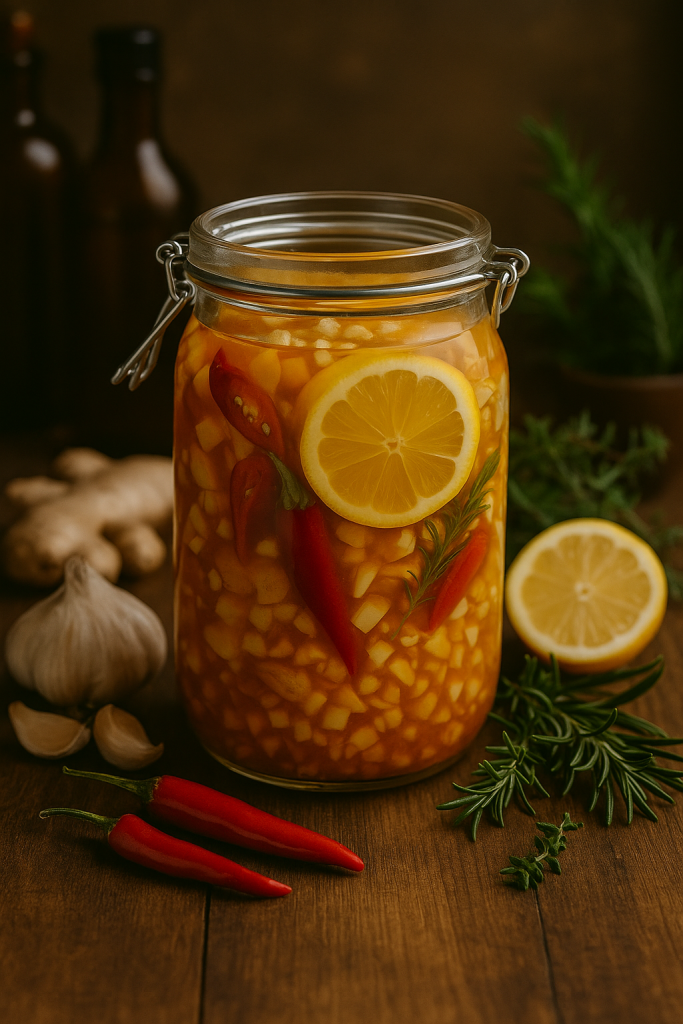
That is why I like starting it around Mabon: you are using what you have now to make something for later.
Prepare the Animals for Autumn
If you have pets, chickens, or livestock, animal care already gives you a very practical way to include them in Mabon too.
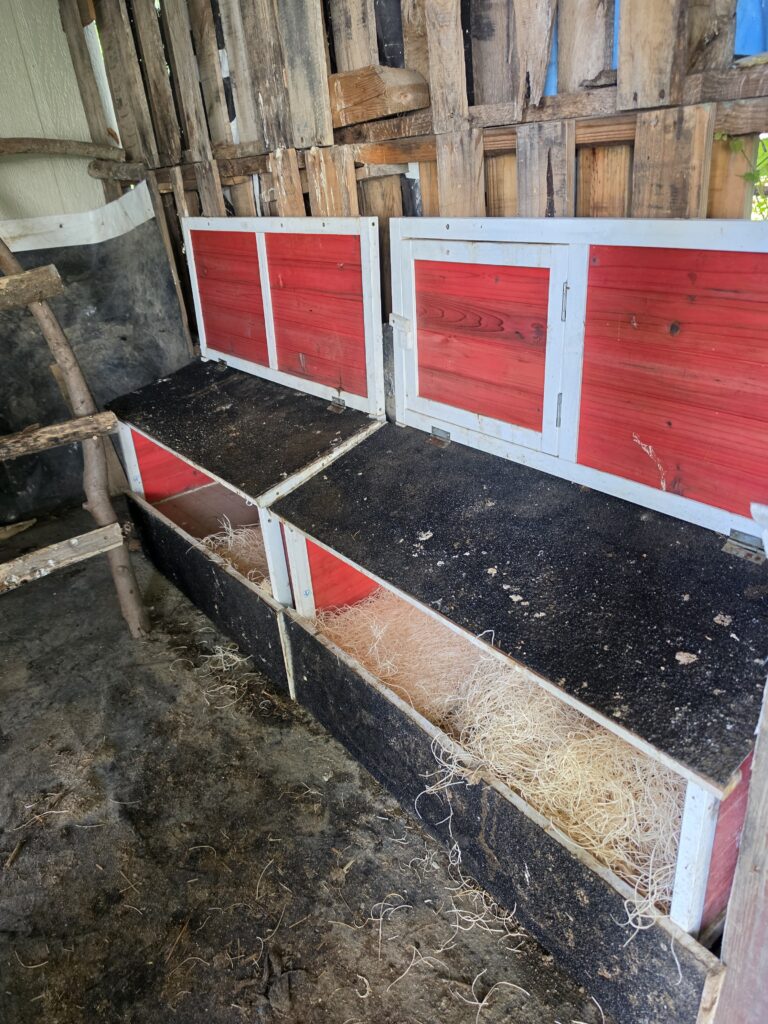
Children may be able to help:
- Add clean bedding
- Check shelters for drafts or leaks
- Clean feeders and waterers
- Gather eggs
- Store feed where it will stay dry
- Check that heated water equipment still works
- Bring in supplies before bad weather
- Offer an appropriate treat
- Help clean the coop, barn, hutch, or animal area
Animal care may not look like a ritual, but it is directly tied to the values of gratitude, responsibility, and preparation.
Feeding the chickens can be an offering. Fixing the coop before winter can be an act of devotion. We show gratitude for what the animals give us by taking good care of them. The spiritual part does not always need to be separated from the practical work.
Watch the Sunset
Watching the sunset is probably the least complicated Mabon activity on this list, and the equinox is a good excuse to actually notice how quickly the daylight is changing.
Go outside near sunset and compare it with summer. Children may be surprised by how early darkness is arriving.
You can:
- Look up the sunset time
- Take a photograph
- Draw the colors
- Watch from the porch
- Light a candle afterward
- Say a short prayer
- Share something you are thankful for
- Sit together without adding another activity
It costs nothing, needs no supplies, and is easy to repeat every year.
Older children may enjoy recording sunset times for several days or comparing how much daylight different places receive.
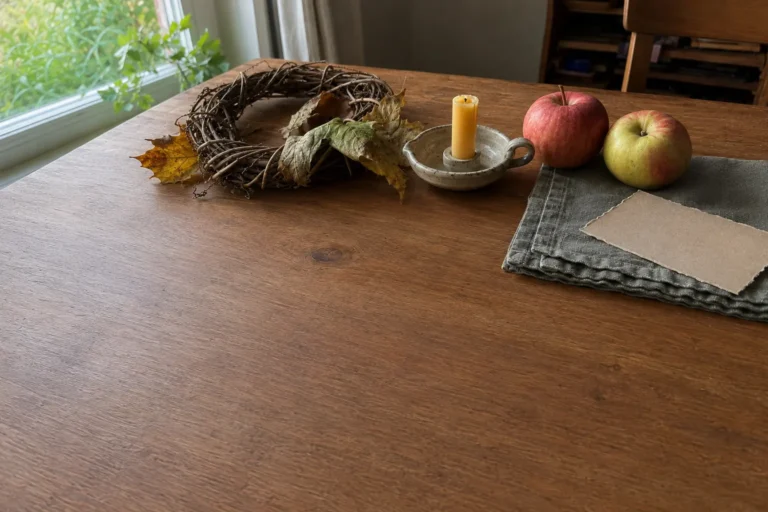
Create a Mabon Table or Display
If your family uses an altar, Mabon is an easy one to build from things already around the house. If you do not, the same objects can just become an autumn table or little family display.
Possible items include:
- Apples or pears
- A loaf of bread
- Corn
- Squash or pumpkins
- Acorns, nuts, seeds, or fallen leaves
- A jar of preserved food
- Dried herbs
- A candle or battery-operated light
- Photographs
- Written accomplishments
- Symbols of deities or spirits
- Objects connected to something the family completed
Let the kids choose and arrange the things that actually mean something to them.
Our corn-husk dolls ended up on ours because they represented something we made together. That was all the symbolism they needed. Yours can go on an altar, a shelf, in a kid’s room, or straight into the keepsake box.
The display does not need to be perfect or untouched. It belongs in the home, and the people living there should be able to interact with it.
A Simple Family Mabon Ritual
A family ritual does not need to outlast the kids’ attention spans.
You will need:
- A candle or battery-operated candle
- A bowl
- Small pieces of paper
- Pencils or crayons
- Optional food or drink to share
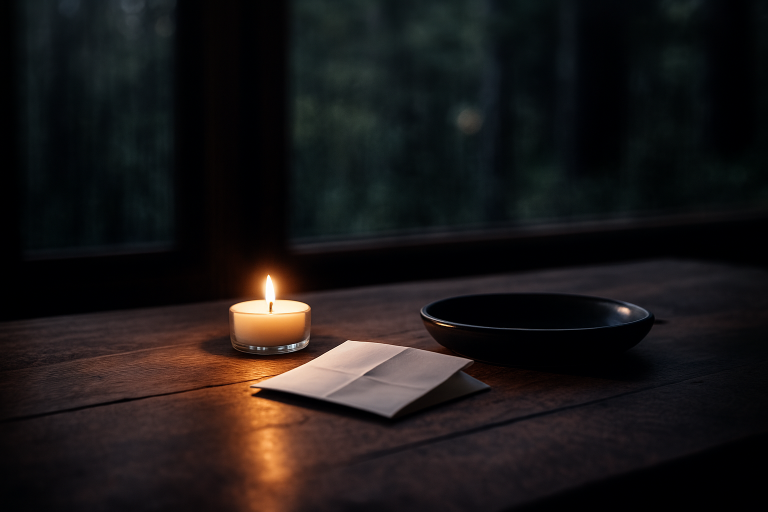
Gather around the table and light the candle.
Say:
We are here to mark the autumn equinox and give thanks for what has grown in our lives and our home.
Invite each person to write, draw, or name something they are proud of from the past year.
Place the papers in the bowl.
Next, ask everyone to name something they appreciate.
The answers do not need to be profound. Family, pets, books, food, friends, warm blankets, chickens, and convenient kitchen appliances are all valid.
You can then ask:
What would help our family as we move into autumn?
Answers might include helping more with chores, finishing a repair, spending more time outside, arguing less, or making sure everyone has a coat that fits.
Choose one practical answer instead of turning the ritual into a list of new obligations.
Close by sharing food or moving into dinner.
You can say:
We give thanks for what we have, for what we have learned, and for another autumn together.
The ritual can end there. Children do not need to remain seated through a long ceremony once their attention is gone.
Mabon Foods and Ingredients
If you do want the more traditional food list, these are some of the foods commonly associated with Mabon:
- Apples
- Pears
- Grapes
- Corn
- Squash
- Pumpkins
- Potatoes
- Carrots
- Onions
- Beans
- Bread
- Grains
- Nuts
- Seeds
- Herbs
- Cider
- Preserves
- Soups
- Stews
- Roasted meats
That list is very Northern-Hemisphere autumn-harvest heavy, obviously. Use what is actually being harvested and eaten where you live.
In an actual family kitchen, that might look like:
- Pot roast with potatoes and carrots
- Chili with cornbread
- Roast chicken
- Turkey and stuffing
- Vegetable soup
- Squash soup
- Baked potatoes
- Bread with butter or jam
- Home-canned vegetables
- Apple crisp
- Baked apples
- A meat-and-potatoes dinner
- Whatever your family already planned to eat
Food allergies, dietary restrictions, finances, and what your children will actually eat matter more than a traditional list of correspondences.
Common Mabon Symbols
Apples
You do not need to buy a pile of Mabon decorations. Most of the usual symbols are already in the kitchen or yard. Apples, for example, fit naturally because they are part of the autumn harvest and can represent nourishment and abundance.
When an apple is cut across the center, its seeds form a five-pointed shape. Some witches connect this with the pentagram and the five elements.
Bread and Grain
Bread and grain are about as straightforward as Mabon symbolism gets: harvest, labor, food, and something meant to be shared.
A loaf of bread can be included in a meal, placed on an altar, or offered according to your tradition.
Corn
Corn is closely connected to late-summer and autumn harvests in North America. It may be eaten, dried, displayed, or used for projects such as corn-husk dolls.
When discussing corn traditions, avoid treating distinct Indigenous cultures and practices as generic Mabon material.
Seeds and Nuts
Seeds and nuts are an easy autumn symbol because they are literally next year’s growth tucked away for later.
If you want a symbolic meaning, I would connect them with planning, patience, preservation, and whatever comes next.
Leaves
Fallen leaves already tell the story pretty well: autumn is here, things are changing, and all that plant matter is headed back into the soil.
Children may collect fallen leaves, but they do not need to strip living branches for decorations.
Baskets
Baskets are practical enough that the symbolism does not need much help: they are for gathering, carrying, storing, and sharing what was harvested.
They can hold apples, bread, gratitude notes, garden produce, or items the family plans to donate.
Candles and Fire
Candles and household fires fit naturally here too. By this point in the year, warmth and light are starting to matter again.
Including Children of Different Ages and Abilities
The kids do not all need to participate the same way, either.
One may enjoy helping with dinner. Another may want to make a doll. Another may prefer to feed the animals and skip the ritual.
Children can contribute by:
- Speaking
- Writing
- Drawing
- Cooking
- Gathering objects
- Setting the table
- Feeding animals
- Taking photographs
- Choosing music
- Lighting a battery-operated candle
- Listening
- Joining only part of the celebration
No child should be required to share private feelings in front of the family. They can pass on a question, draw privately, or place a folded answer in the bowl.
Also, remember the sensory stuff. Incense, strong herbs, food textures, open flames, loud music, or a crowded table can turn a nice family activity into misery pretty quickly for some kids. Give them space or let them participate one at a time if that works better.
Change the activity rather than treating one version of the celebration as mandatory.
Learning Through Mabon
Kids are probably going to ask questions while you do this anyway. Why is it getting dark earlier? Where do the birds go? How did people keep food before refrigerators?
If one of those questions grabs them, there are plenty of directions to go:
- Why Earth has different seasons
- What happens during an equinox
- Why daylight becomes shorter
- Which foods are harvested locally
- How people stored food before refrigerators
- How animals prepare for winter
- Why birds migrate
- How grain becomes bread
- How vinegar preserves or infuses ingredients
- Why firewood must be kept dry
- How families in different places mark harvest time
That can be a dinner-table conversation, a library book, a short video, or something you look up together. It only needs to become a formal lesson if that is actually useful for your family.
Family Mabon Traditions Worth Repeating
The traditions that stick are usually the ones your family actually wants to do again.
You might:
- Make corn-husk dolls
- Cook pot roast
- Start fire cider
- Make fire starters
- Open a jar of home-canned food
- Feed the chickens a special treat
- Watch the sunset
- Record something each person accomplished
- Take a family photograph in the same place
- Gather apples
- Light a candle before dinner
- Leave an offering
- Share food or supplies
- Complete one cold-weather household job
If one or two of these turn into things everyone actually wants to do again next year, that is plenty.
Frequently Asked Questions About Mabon for Kids
Is Mabon Only for Wiccans?
No.
Mabon is celebrated by people from several modern Pagan paths, including some Wiccans, witches, Druids, and eclectic Pagans.
Some families also observe the autumn equinox without identifying with a particular religion.
Do We Need a Mabon Altar?
No.
An altar can be meaningful for families who use one, but it is not required. A shared meal, offering, candle, family project, or evening outside can be enough.
Do We Have to Perform a Ritual?
No.
Cooking together, giving thanks, caring for animals, helping another person, or preparing the home for autumn can all be part of observing Mabon.
Are Corn-Husk Dolls a Traditional Mabon Craft?
Corn-husk dolls have their own histories and are not an ancient requirement of Mabon.
They work well as a family harvest project because they use corn husks, involve handwork, and give everyone something to make together.
What Is the Best Mabon Activity for Young Children?
Helping prepare food is one of the easiest options.
Young children can add vegetables to a crockpot, strip herbs, wash apples, carry napkins, or push microwave buttons with supervision.
They can also feed animals, gather safe natural objects, or watch the sunset.
Can Children Help Make Fire Starters?
Children can help gather and arrange safe, dry materials, depending on the fire-starter method and their ages.
Adults should handle melted wax, supervise the project, and store the finished fire starters safely.
Can Children Drink Fire Cider?
Fire cider recipes vary considerably in strength and ingredients. Hot peppers, horseradish, garlic, and acidic vinegar may be unpleasant or irritating for some children.
Parents should consider the child’s age, health, allergies, and the ingredients used. Fire cider should not be treated as medicine or a substitute for medical care.
Honey should never be given to children under twelve months old.
What If My Children Are Not Interested?
Then do not drag them through the whole thing.
Let them eat dinner, pick one activity, help with the animals, or skip the parts they hate.
A child’s involvement does not have to look religious to be meaningful.
Celebrating Mabon as a Family
For me, Mabon works best when it is less about staging a perfect autumn holiday and more about noticing what actually grew, got finished, or somehow held together this year.
Maybe the harvest is literal food. Maybe it is school progress, a repaired fence, healthier animals, or simply the fact that everybody made it through a hard stretch and the house is still standing.
You can hold a ritual, leave an offering, make corn-husk dolls, start a jar of fire cider, prepare fire starters, or feed the chickens.
You can also put a roast in the crockpot, let the children dump in the vegetables, and sit down to eat together.
A shared meal, useful work, gratitude, and time spent together are enough to mark the turning of the year.